Last updated November 21, 2026
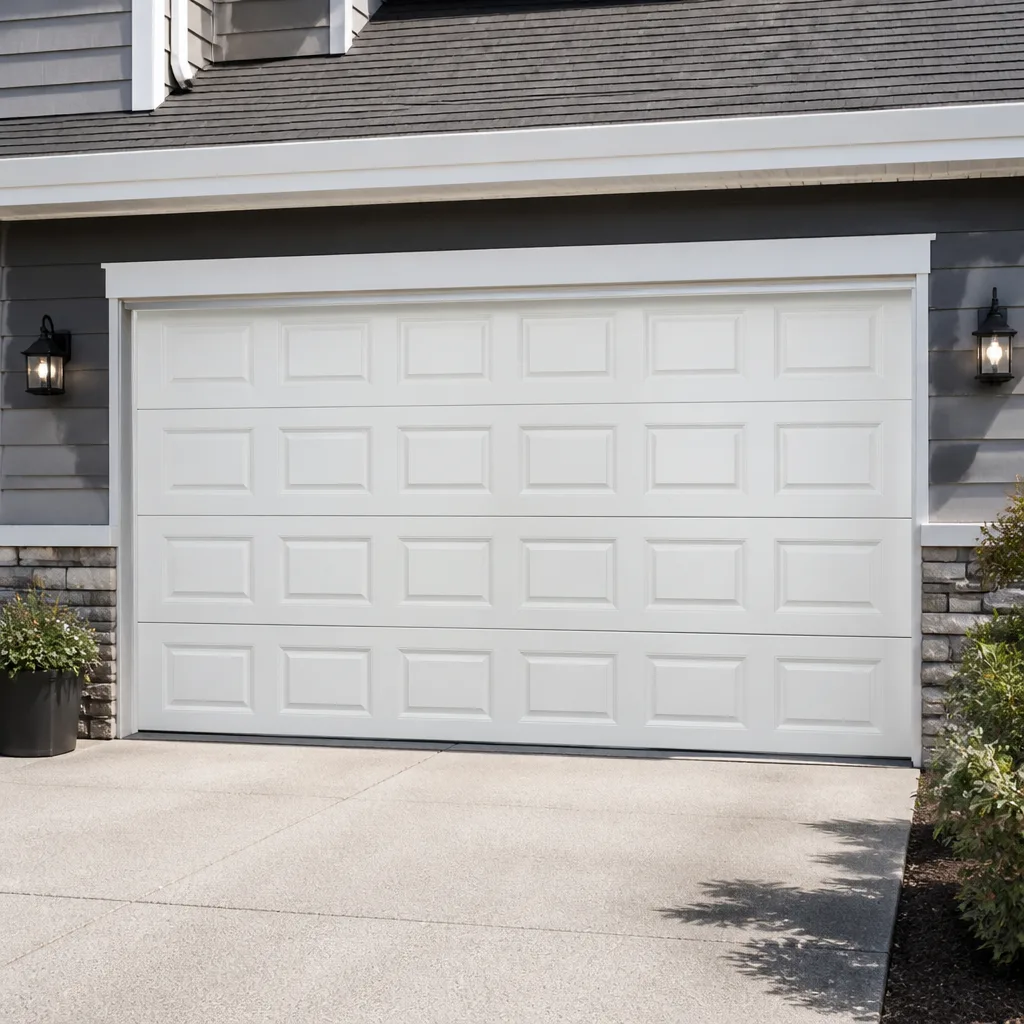 Raised-panel steel
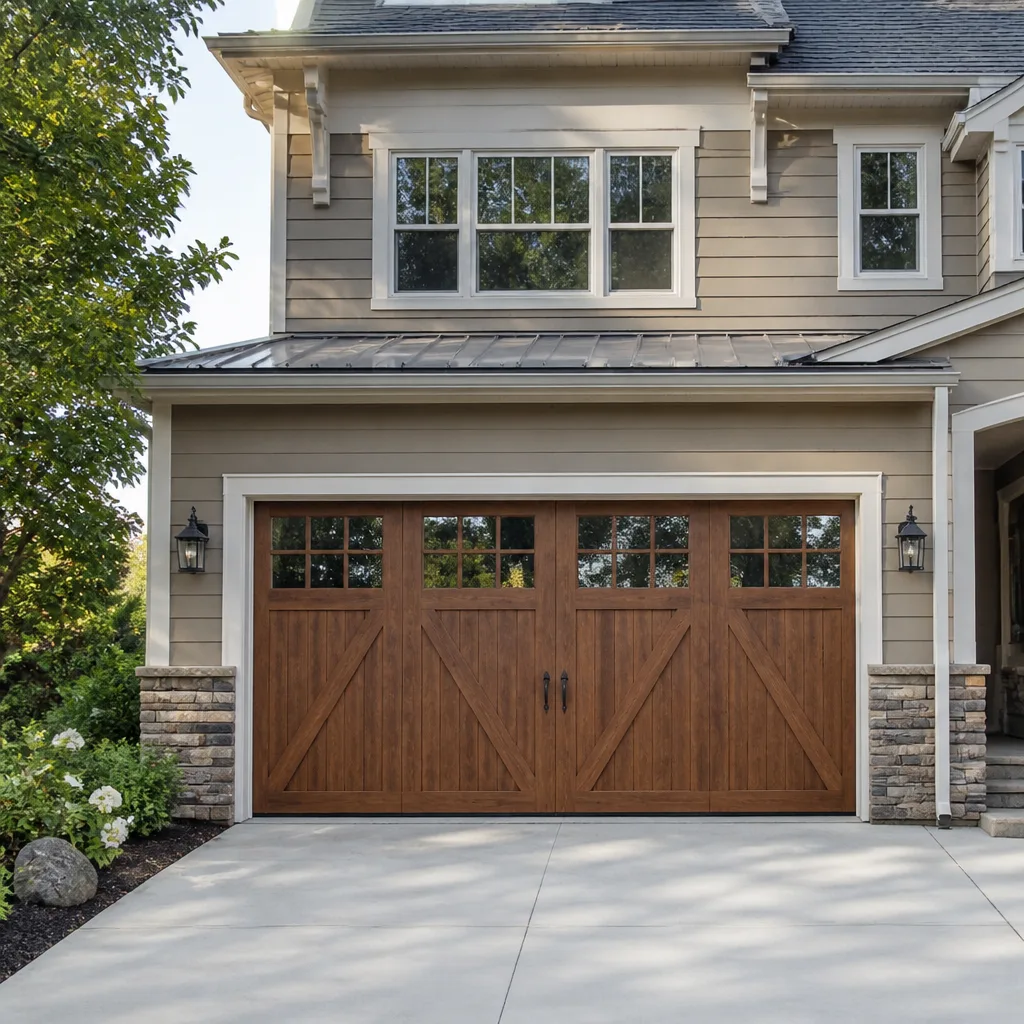 Carriage house
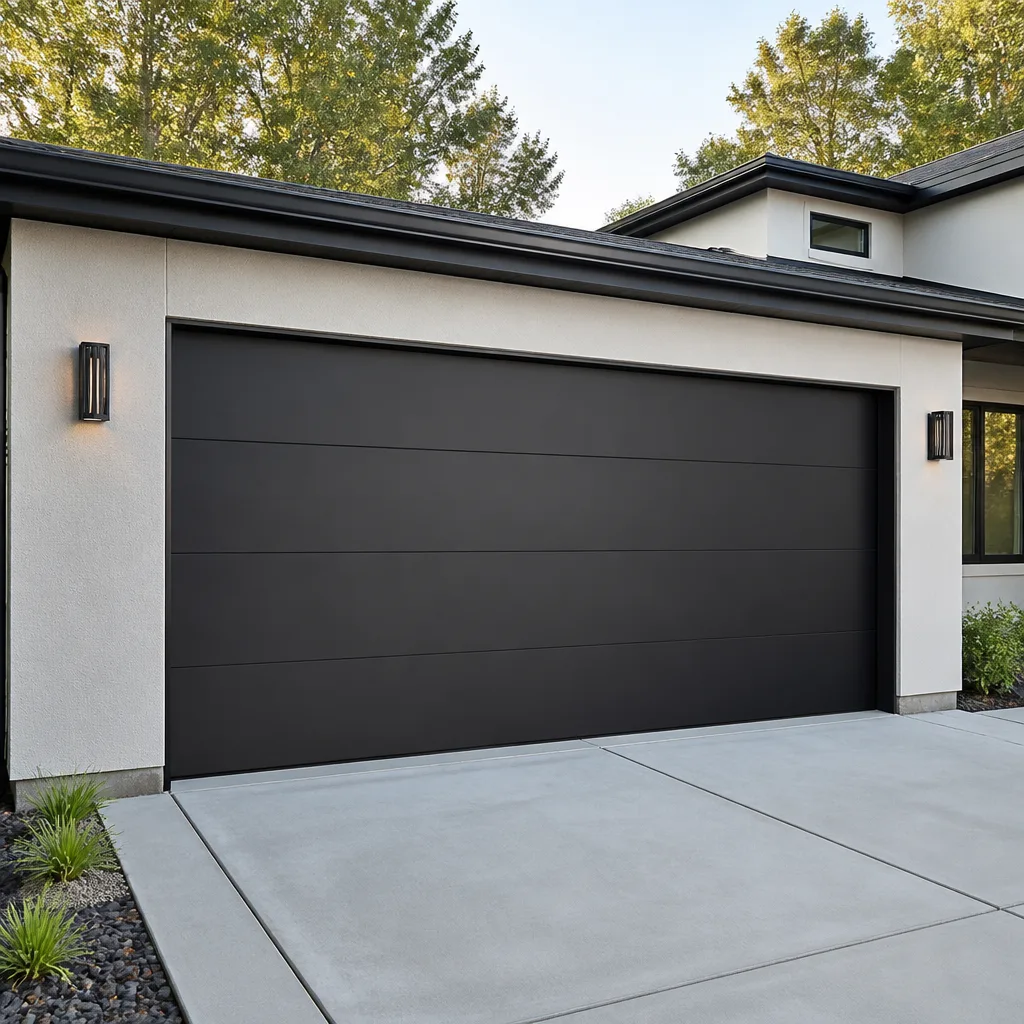 Modern flush
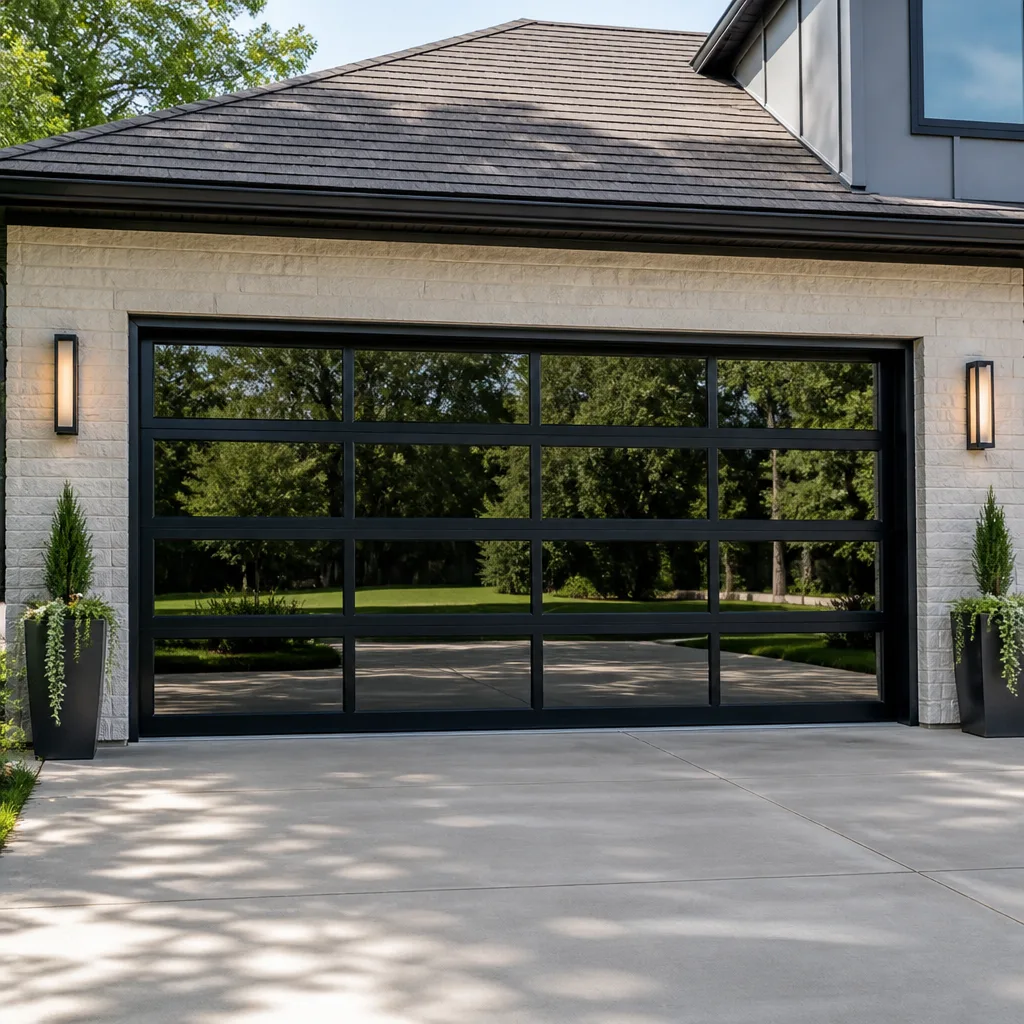 Full-view glass
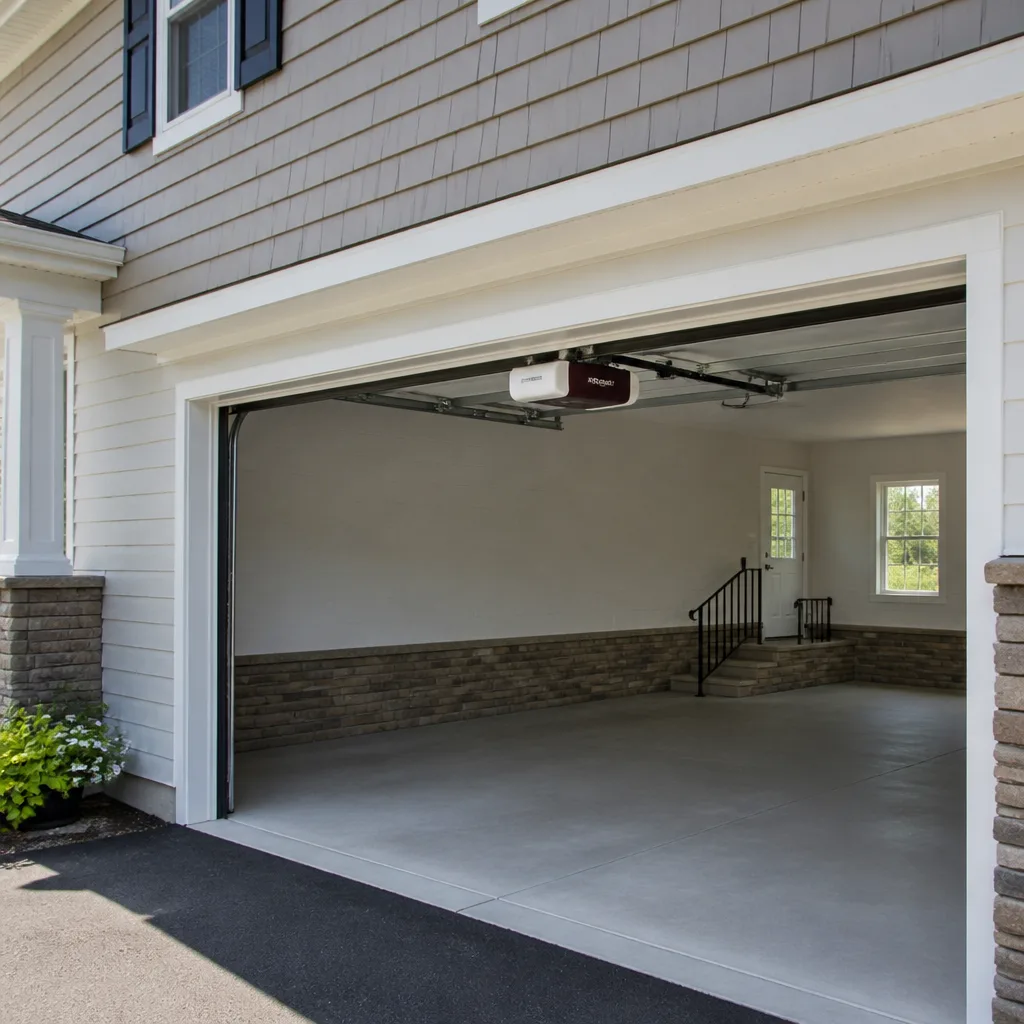 LiftMaster openers
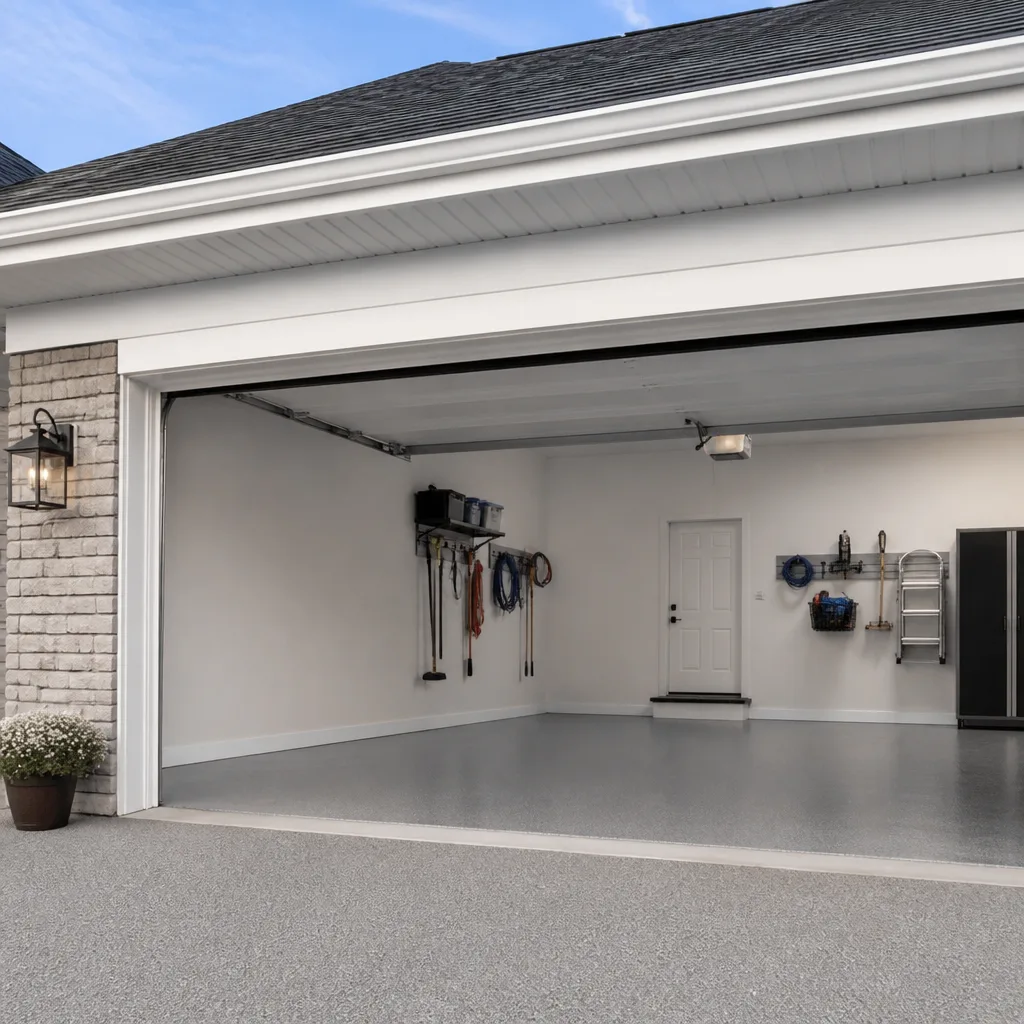 Chamberlain openers
Full 25-point door and opener safety check with every visit - springs, cables, rollers, tracks, and your LiftMaster or Chamberlain opener included
You get a price before we start. It does not change when the pro arrives.
Get your free estimateGarage Door Permits, Codes & Inspections in Columbia, MD: What You Need to Know
Most people assume a garage door is a fixture, not construction. That assumption is usually harmless, and occasionally expensive. When a door replacement involves structural work at the header, a new opening, or a change to the load path above the opening, it can move from “swapping a fixture” into permit territory. In Columbia, that picture gets one layer more complicated than in most of Maryland, because the county is only part of the approval story. This guide walks through when Howard County requires a building permit for garage door work, how the Columbia Association and village associations fit in for exterior changes, what Maryland’s current code cycle asks of insulated doors on attached garages, what an inspector actually looks at, and how unpermitted work tends to surface during a home sale. It’s written for Columbia homeowners who’d rather know the rules before the truck shows up than after a closing gets delayed.
Quick Answer
In Columbia, MD, a straight replacement-in-kind of a garage door in an existing opening typically does not require a Howard County building permit, but any structural change to the header, a new opening cut, or major structural modification to an attached garage usually does. On top of county code, exterior changes in Columbia’s planned community may require Columbia Association or village association approval under the architectural covenant process. The written estimate and the permit question should be settled before the old door comes down, not after.
Styles & brands we work with
- Raised-panel steel
- Carriage house
- Modern flush
- Full-view glass
- LiftMaster openers
- Chamberlain openers
Table of Contents
- When does a garage door project need a Howard County permit?
- How Columbia’s planned community adds an approval layer
- What Maryland’s building code requires for insulated doors on attached garages
- What a Howard County inspector actually checks on a door installation
- Step-by-step: how a permitted garage door project runs in Columbia
- How unpermitted work shows up at resale and what remediation looks like
- Common mistakes to avoid
- Frequently asked questions
When does a garage door project need a Howard County permit?
The short answer: replacement-in-kind generally doesn’t, structural change generally does. Howard County, like most jurisdictions in Maryland, draws the line at what the work does to the structure of the home rather than at the door itself. A new door of the same size in the same opening, hung on the same mounting points, is a fixture swap. A project that changes the opening dimensions, moves the load-bearing header, cuts a brand-new opening into a wall that didn’t have one, or alters the wall framing above the door falls into the structural category.
Here’s how the three typical scenarios break down:
- Replacement-in-kind: same size, same opening, same header, new door. Usually no permit required. Association approval may still be required for exterior appearance.
- Structural change: new header, widened opening, altered support above the door, or significant reinforcement of the framing. Usually requires a Howard County building permit, with inspections at framing stage or final.
- New opening cut: cutting a garage door where a solid wall previously stood. Almost always requires a permit, and often structural engineering to sign off on the header design.
Worth knowing: the code agencies don’t reach the same answer across every case. A straightforward replacement can pass council review without a permit, but if the project modifies the header or the load path, plan review is the safe expectation. The only reliable answer for your specific home is what the Howard County building department tells you when you describe the project. We’d rather ask that question early than be surprised mid-install. When a customer is weighing a replacement, our garage door repair team can usually tell within a walk-through which category the job falls into.
One practical wrinkle in Columbia: many of the community’s original homes are now well into their second or third door. A lot of the work we see is a straight swap of a tired steel door for an insulated Clopay or Amarr unit in the same opening, which stays out of the permit column. The cases that run into trouble are the ones where a homeowner wants the opening widened or the door relocated - those are structural projects, not replacements, and they should be planned with the county in the loop from day one.
How Columbia’s planned community adds an approval layer
Here’s the part that surprises people outside Columbia: Howard County code isn’t the only rulebook. Columbia was built as a planned community, and that structure persists. Exterior changes to a home in Columbia often require approval from the Columbia Association or from the individual village association the property sits within, in addition to any county permit. A garage door is an exterior change. On paper, that approval isn’t the same as a building permit, but in practice it’s the second gate, and skipping it can be just as disruptive.
The approval question depends on which village your home sits in - Wilde Lake, Harper’s Choice, Oakland Mills, Long Reach, Owen Brown, Hickory Ridge, Kings Contrivance, River Hill, Dorsey’s Search, and Town Center each have their own layered approval process through their village association and the Columbia Association’s architectural review. A few things that commonly trigger review:
- Change of door color or finish from the original palette.
- Change of door style, including windows or panel configuration.
- Change of material, such as moving from steel to wood or composite.
- Any change to the door’s physical dimensions or opening footprint.
Where this catches homeowners is on resale. Buyer’s agents in Columbia ask for the architectural approval record, especially on homes in the older villages where the original door style is part of the community’s visual character. If the door was replaced without going through the village, the approval process can be run retroactively - but it adds weeks to a closing and can require documentation from the installer. We point customers to their village association office at the estimate stage rather than after the door is up. Brand and style choice often interacts with that approval question; when you’re picking between Wayne Dalton, Amarr, or Craftsman lines, we walk through what’s likely to sail through review and what might need a variance.
What Maryland’s building code requires for insulated doors on attached garages
On an attached garage, the door is part of the building’s thermal envelope. That fact ties into Maryland’s adoption of the International Energy Conservation Code through the Maryland Building Performance Standards, which the state updates on a code cycle and which Howard County enforces locally. This is the piece most homeowners never think about, because the door is bought on looks and quietness rather than on the energy code. But it matters for two practical reasons: comfort above the garage, and what an inspector sees if the project does require a permit.
The short version of what the code cares about:
- Insulation value: attached garages are within the thermal boundary, so an insulated door, not a single-panel steel door, is the code-compliant choice. The specific R-value the current cycle requires depends on the door’s position and the home’s design; that’s a question for the county or your installer’s spec sheet at the time of the project.
- Air sealing: the perimeter weatherstripping and bottom seal matter because they close the gap the code cares about.
- Vapor and framing: if the project involves new framing at the opening, energy code provisions on the framing and the seal apply.
Where the code cycle changes, the answer changes. Maryland has updated the code cycle in recent years and the state adjusts toward the newer editions; that means the R-value requirement on an insulated door today isn’t the same one that applied when your home was built. When we quote a replacement for an attached garage, the door we spec is insulated enough to meet what the county is currently enforcing, not what was standard when the original door went in. Note the same principle on Clopay and Amarr product sheets: older doors listed at lower R-values than equivalent current models, which is one reason a like-for-like replacement is often an insulation upgrade. If you want the current R-value communicated on the quote, ask for the spec sheet with the estimate. It’s not a sales argument, it’s the paperwork the inspector may want.
What a Howard County inspector actually checks on a door installation
An inspection on a garage door installation isn’t a beauty contest. It’s a structural and safety check. When a permit is open, the inspector’s task is to confirm that what’s been built matches what was approved and that the safety systems work. That means the inspector is looking at the same handful of things every time, and the installation is usually prepped to satisfy them without drama.
- Header and framing. Is the load above the opening, and the frame around it, built to the approved plan? On a structural project, this is the core check.
- Fastening. Are the tracks and brackets anchored into appropriate framing, not into drywall alone? The inspector may spot-check fastening at the header and jamb.
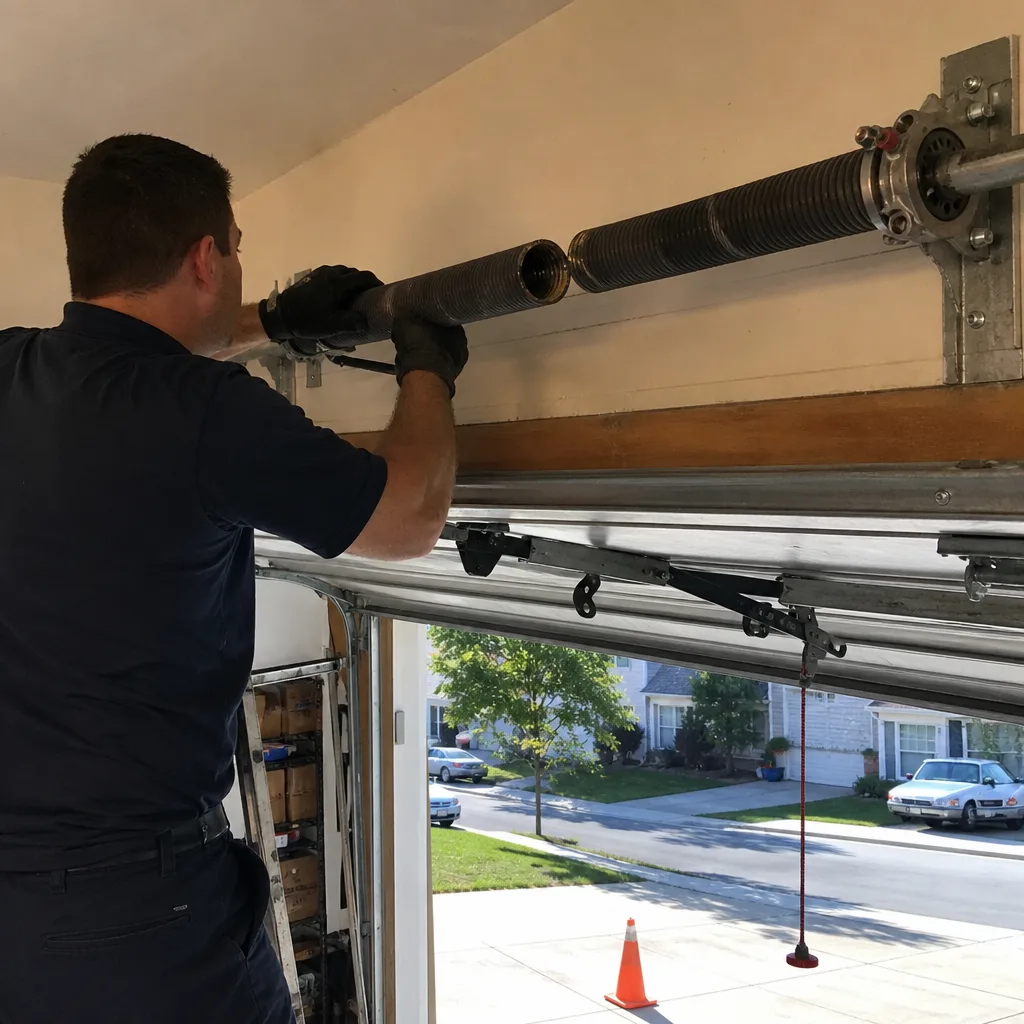
- Springs and cables. Are torsion or extension springs and their cables properly installed with containment, and are the springs sized correctly for the door weight? This is also the highest-risk part of the install for the technician, which is why spring work is one of the areas we’re known for handling rather than subbing out.
- Balance and travel. Does the door travel up and down evenly, stay balanced mid-travel, and stop where it should?
- Reversing safety. Does the door reverse when it meets an obstruction on the way down, and does the opener’s safety system respond correctly?
- Photo-eye alignment. Are the safety beam sensors aligned and placed no higher than the manufacturer specifies above the floor?
- Labels and spec sheet. Does the installed door carry its label and does the installer’s documentation match the permit application?
To prepare: leave the garage clear of cars, boxes, and bikes. Make sure the installer’s drawings and the opener manual are on-site. Have a ladder set up if the inspector wants to look at the header. Most inspectors walk in, look at the door, run it up and down once, check the reversing system, look under the header, and sign off. The job that fails an inspection is almost always the one where the header doesn’t match plan, or the safety reverse is dead. Neither is hard to get right; both are easy to miss if nobody checks before the inspector shows up. For an opener swap that turns into a new system, our garage door opener repair team handles the alignment and reversing test as part of the install, so the inspection is a formality.
Step-by-step: how a permitted garage door project runs in Columbia
There’s no mystery to the sequence. It’s just a set of steps that get done in the wrong order by people who’ve never done them before. If the project needs a Howard County permit, the order below is what we follow, and what the county expects to see.
- Free measure and scope. We come out, confirm the opening size and header, and identify whether the project is replacement-in-kind or structural. This is where a job gets sorted into the permit column or not.
- Village and Columbia Association review, if needed. Any exterior appearance change goes to the village association for architectural review. Approval timing depends on the village and the nature of the change; start early because it can run in parallel with the county permit.
- Permit application, if structural. The county receives a plan description and, where required, stamped drawings. The permit is paid for and issued before any structural work begins.
- Order the door. Doors aren’t stock; they’re built to size and finish. Ordering starts once the approved scope is settled so the door and the opening are matched. Our team has worked with the major makers - Clopay, Amarr, Wayne Dalton, Craftsman, Raynor, and opener brands including LiftMaster, Chamberlain, and Genie - so we can match the door to the opening spec rather than work from a generic catalog listing.
- Installation. Old door comes down, framing is prepped and verified, new door goes up, springs are set and cables loaded, opener is wired and programmed, and all safety systems are tested.
- Inspection. The county comes out to check the frame, header, and safety systems as described above. If something fails, we’re back within a day to correct and request a re-inspection.
- Closeout. The permit is closed with the county, the village approval is recorded, and you keep the spec sheet, inspection record, and warranty documents in the file. This file becomes very handy at resale.
The whole timeline depends on the door lead time and how the village review goes, not usually on the county side. When someone is planning a replacement ahead of a sale, the safe planning window is at least a few weeks before listing, not days. If the sale is already on the calendar, tell us that up front - we can usually do the pre-listing walk-through and let you know whether the door is even a listing item in the first place.
How unpermitted work shows up at resale and what remediation looks like
Real estate transactions are the moment when permit records get audited. Buyer inspectors routinely pull the county’s permit history as part of the diligence period, and if a garage door structural modification shows up on the property record without a matching permit and final inspection, that’s a flag. It doesn’t necessarily kill a deal, but it can delay it: the county may ask for a retroactive permit, a site visit, and in some cases a structural review of the header before the transaction can move forward.
What remediation tends to look like from a technical point of view:
- Confirm what was actually done. Pull the old records, measure the opening, and see whether the header as built matches the intent. Some “modifications” turn out to be cosmetic and easy to document.
- Apply for the retroactive permit. Howard County permits can be applied for after the fact so long as the work meets current code. That’s the first, and usually the biggest, step.
- Get the structural piece reviewed if needed. If a header was changed without a plan, a structural engineer may need to certify the assembly before the county will issue a permit.
- Close out the inspection. A county inspector reviews the installation and either approves or asks for corrections. Corrections are usually re-fastening, re-sealing, or a new reversing system, not a full redo.
- Clean up the village record. The architectural approval from the Columbia Association or the village association usually runs separately. Retroactive approval exists but should be run in parallel.
There’s a reason we start every estimate with the permit question. A project that costs a small amount more to do with a permit on the front end can cost far more in time and documentation at resale on the back end. When a door is replacing a door and nothing structural changes, none of this comes up. When the scope does change the opening, the clean path is the permitted one. If you’re prepping a Columbia home for sale and want a second opinion on the door’s documentation, a quick call to (844) 913-3261 usually saves weeks of anxiety.
Common Mistakes to Avoid
- Assuming every replacement needs a permit. Most like-for-like replacements in Columbia stay outside the county permit process. Believing they all need one makes the job slower and more expensive than it has to be. Start with an accurate scope, not a blanket permit application.
- Assuming a replacement-in-kind for an attached garage doesn’t need village review. The county permit line is not the same as the Columbia Association’s architectural review line, and homeowners regularly miss the second gate. In Columbia’s villages, appearance changes are reviewed separately from county code, even when the county permit is not needed.
- Skipping the header inspection before ordering. On a replacement job that turns structural, the header condition changes what door you can actually install. Confirming the header and framing first saves a reorder.
- Buying a door without the spec sheet. On an insulated door for an attached garage, the spec sheet is what documents that the R-value matches current code. Insist on the spec sheet with the estimate so the paperwork exists before the inspection, not after.
- Forgetting the opener’s safety alignment. A new door with a dead safety reverse fails inspection regardless of how good the door is. Reversing and photo-eye checks are part of the install, not an optional extra.
- Letting the village approval wait until after install. Retroactive architectural review is possible in Columbia, but it runs on a slower clock than a permit. Submit the village paperwork at the same time as the county paperwork, not after the door is up.
- Not keeping a door file. The permit closeout, the spec sheet, the village approval, the installation receipt: keep all of it in one folder. It’s the file a buyer’s agent will ask for, and it’s much easier to hand over than to reconstruct.
See the difference
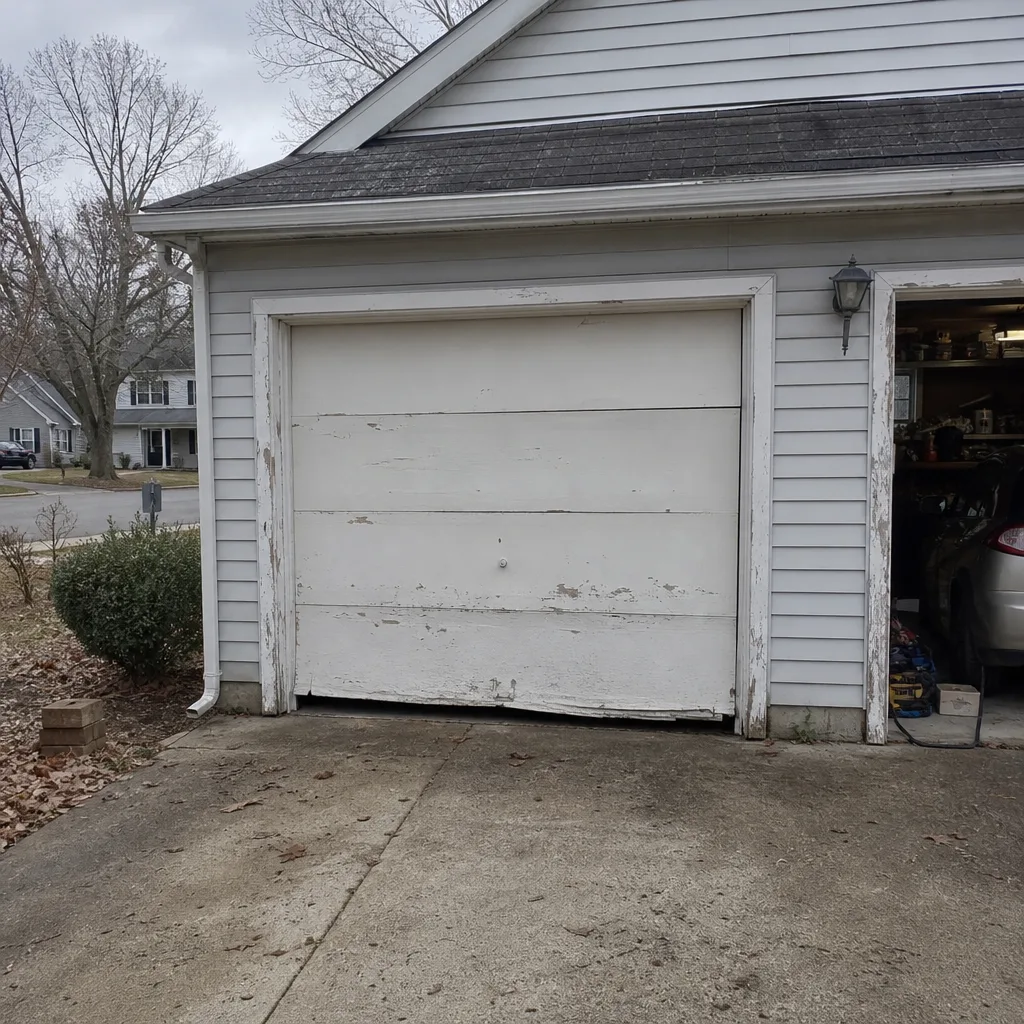 Before
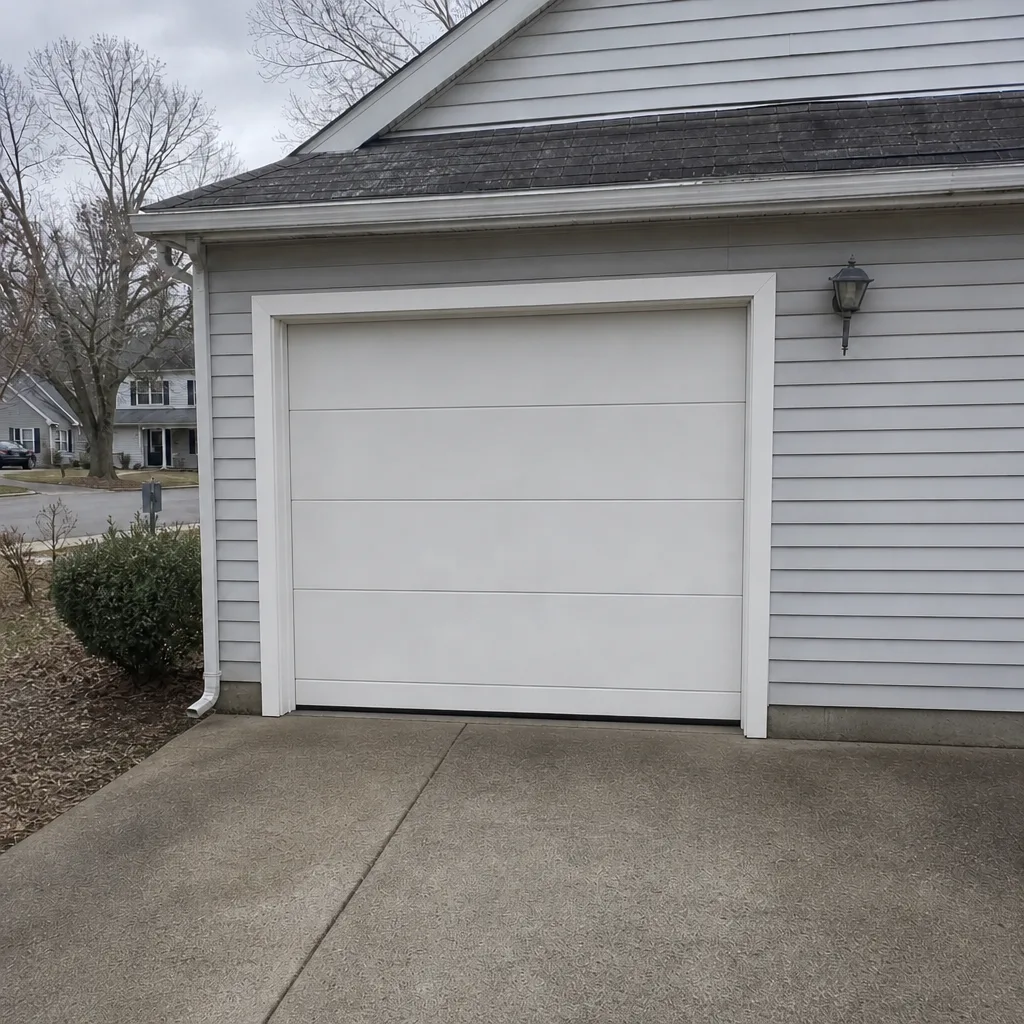 After
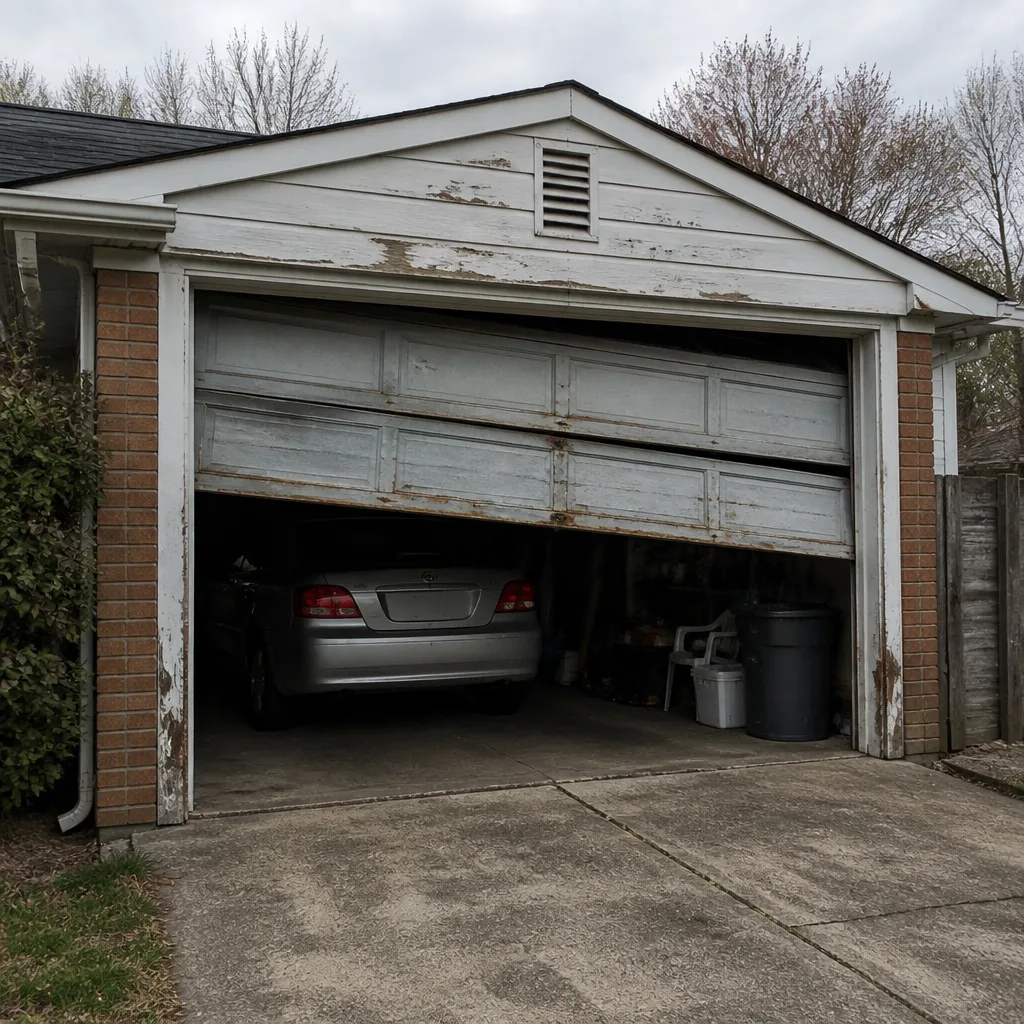 Before
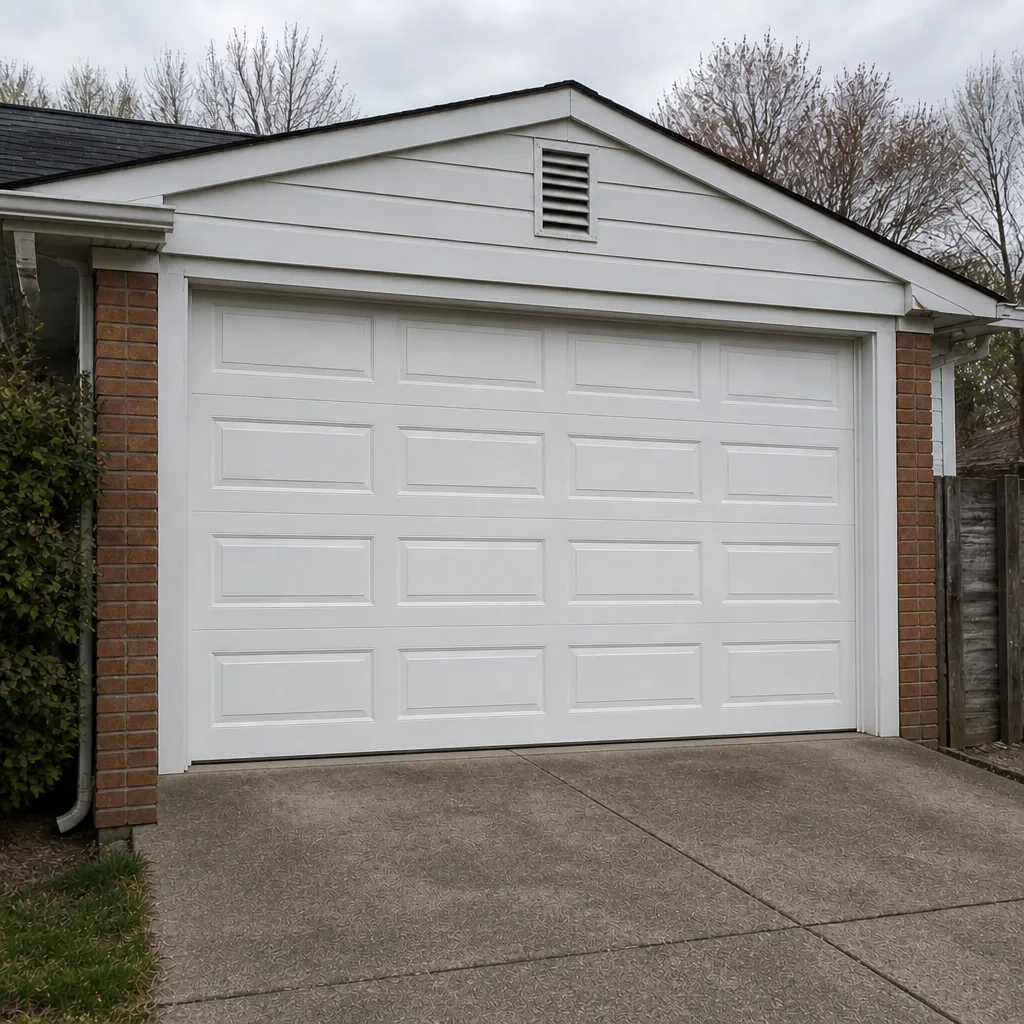 After
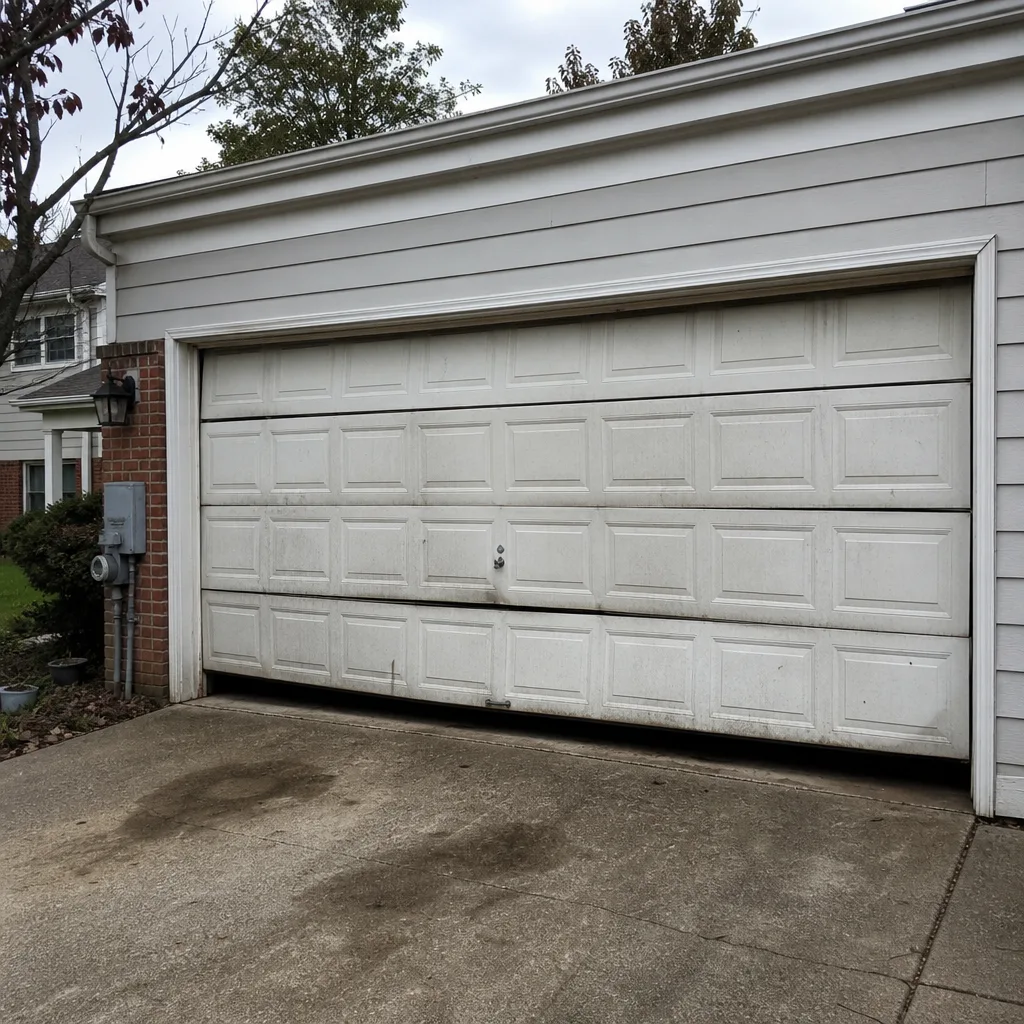 Before
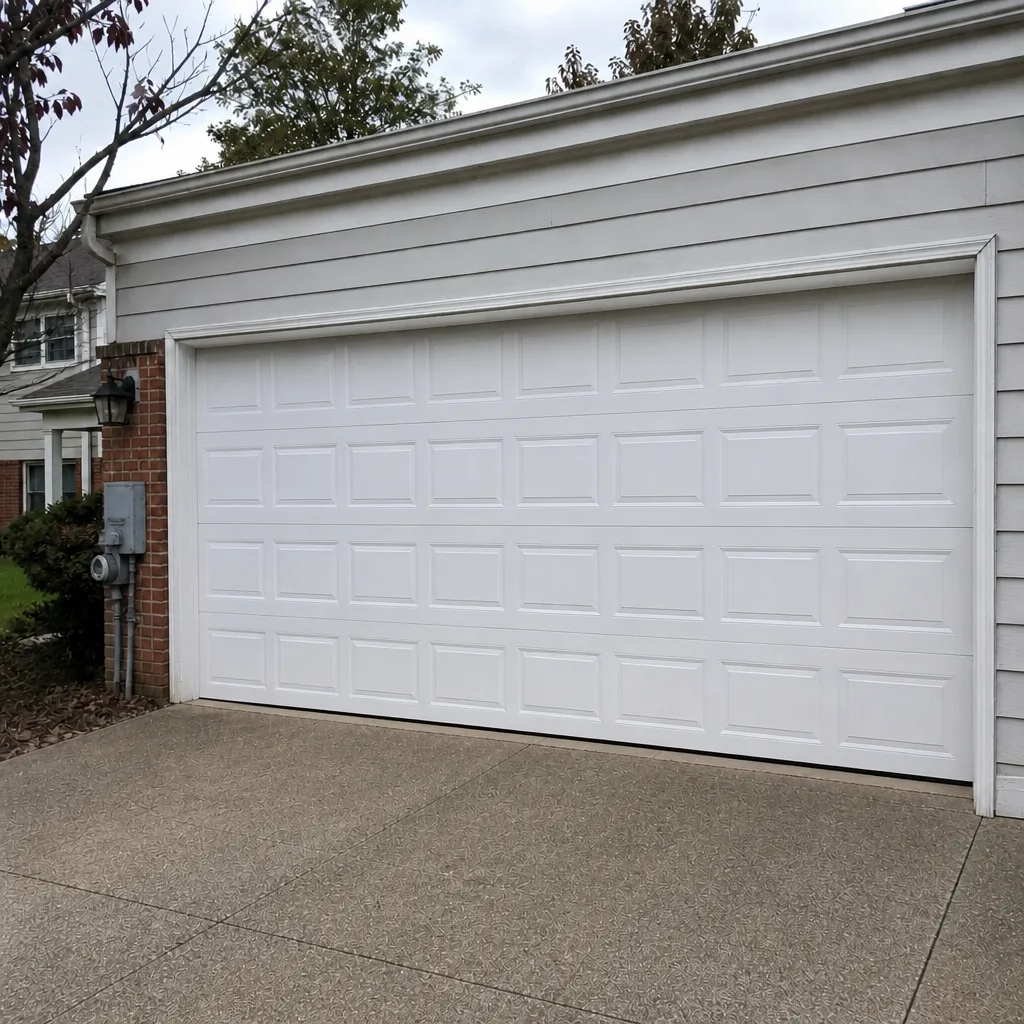 After
When to Call a Professional
Call us when the project involves anything beyond a same-size replacement: a wider opening, a moved header, a new door where a wall used to be, or a garage conversion that changes the wall assembly. Call us when the village association review is a question, and when you’re not sure which side of the permit line the job falls on. Call us before listing the home if there’s any chance the door was modified without a record. And call us when it’s a spring, cable, or opener problem - those are the highest-risk parts of the system, and they should never be a homeowner’s DIY project. Columbia Garage Door Repair Pros offers free estimates in Columbia - call (844) 913-3261 to schedule a walk-through and get a written scope.
Frequently Asked Questions
Usually not, if it’s a replacement-in-kind in the same opening with no structural change. A new opening, a widened opening, or a structural change to the header above the door generally requires a Howard County building permit. The village association’s architectural review may apply regardless of county permit status. Call (844) 913-3261 for a free estimate and we’ll sort your project into the right category.
Often yes, if the new door changes the color, style, material, or configuration from what’s on record. Each village association in Columbia runs architectural review separately from the county’s permit process, and it applies to exterior appearance changes even when the county doesn’t require a permit. The village association office can confirm what documentation your specific village needs. If you’d like us to take a look first, call (844) 913-3261 and we’ll walk through the scope.
Maryland adopts energy code through the Maryland Building Performance Standards and updates on a code cycle, so the exact R-value depends on the current edition Howard County is enforcing and on the door’s position in the assembly. The practical rule is that an attached garage door must be insulated, not a single-panel uninsulated steel door. Ask the county or your installer’s spec sheet for the number that applies to your project, and get the spec sheet with the estimate. Call (844) 913-3261 to discuss what door we’d spec for your home.
The buyer’s inspection can flag unpermitted structural work, and the county may require a retroactive permit and inspection before the sale can close on the home. Remediation is usually a retroactive permit application, a structural review if the header was modified, and a county inspection. Village architectural approval can typically be run retroactively as well, in parallel. Call (844) 913-3261 if you want a pre-listing walk-through.
The inspector confirms that the installed door matches the approved plan, that tracks and brackets are fastened properly, that springs and cables are correctly installed and contained, and that the door is balanced through its travel. The safety reversing system and photo-eye sensors are tested, and the door’s label and spec sheet are reviewed against the permit application. Preparing means clearing the garage and having the installer’s documents on-site. For an installation that’s already scheduled, call (844) 913-3261 with questions.
No. Opener replacements and spring or cable repairs are maintenance and repair work, not construction, so they don’t fall under Howard County permitting and don’t need village approval either. Those are the everyday jobs our team handles. Springs and cables are the highest-risk part of the door system, so we handle them with the right tools and containment rather than a homeowner DYI attempt - for a free estimate call (844) 913-3261 and we’ll get you scheduled.
The Bottom Line
Permits for garage door work aren’t a barrier; they’re a paper trail. On a like-for-like replacement in Columbia, the county permit usually isn’t in play, though village architectural review often is. On a structural change - a new opening, a widened opening, or a modified header over an attached garage - a Howard County permit and inspection are the clean path. The insulation and safety-reversing details on the door matter because that’s what the inspector checks. Keep a file: permit closeout, village approval, spec sheet, warranty. It’s the cheapest insurance against a delay at resale you’ll ever buy, and it’s what a buyer’s diligence wants to see. If a project is on your list - whether it’s a door replacement, a new opener, or a spring repair done safely - we’d be glad to look at it. Our technicians have up to 9 years of experience across the major brands, and every call is a garage door call. Explore what we do at Columbia Garage Door Repair Pros and check garage door spring repair if that’s the piece that’s failing. Call (844) 913-3261 for a free estimate and a written scope before any work starts.
Written by the team at Columbia Garage Door Repair Pros.