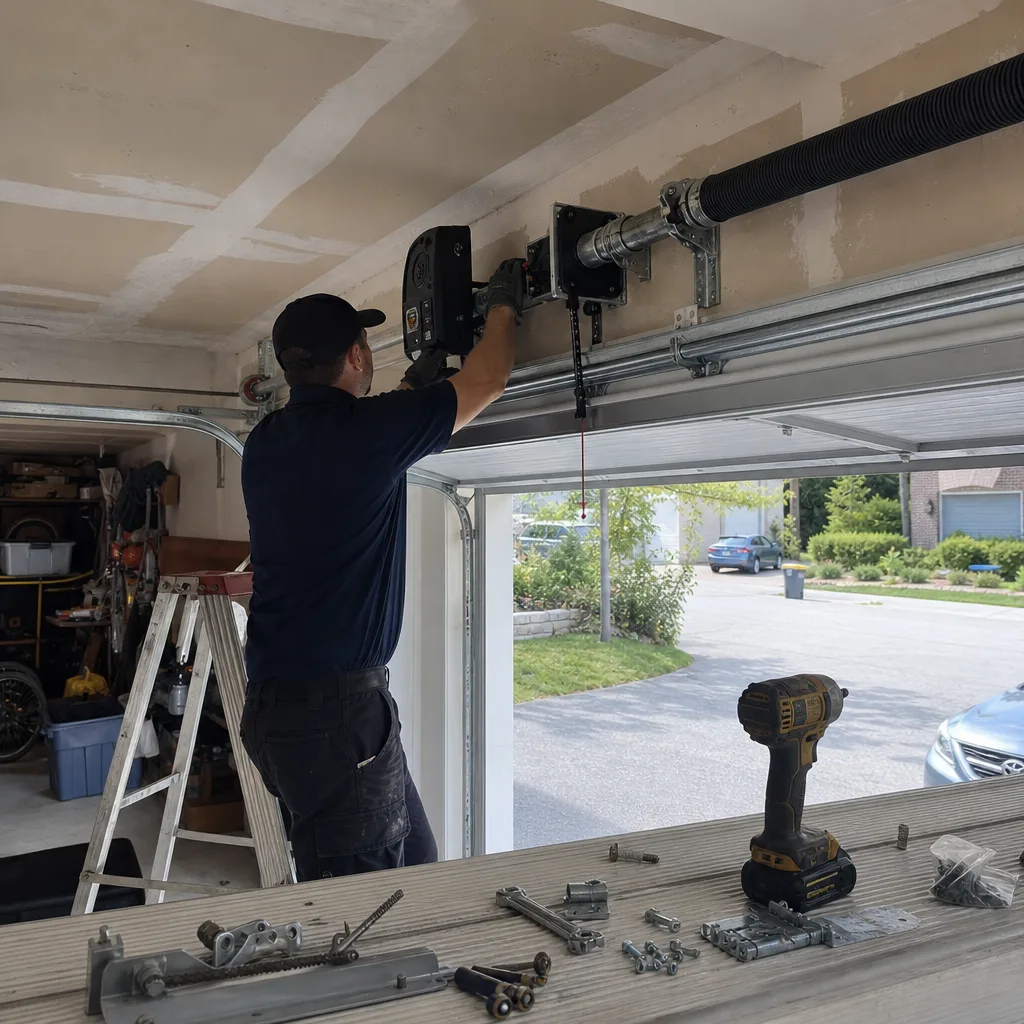
Last updated November 21, 2026
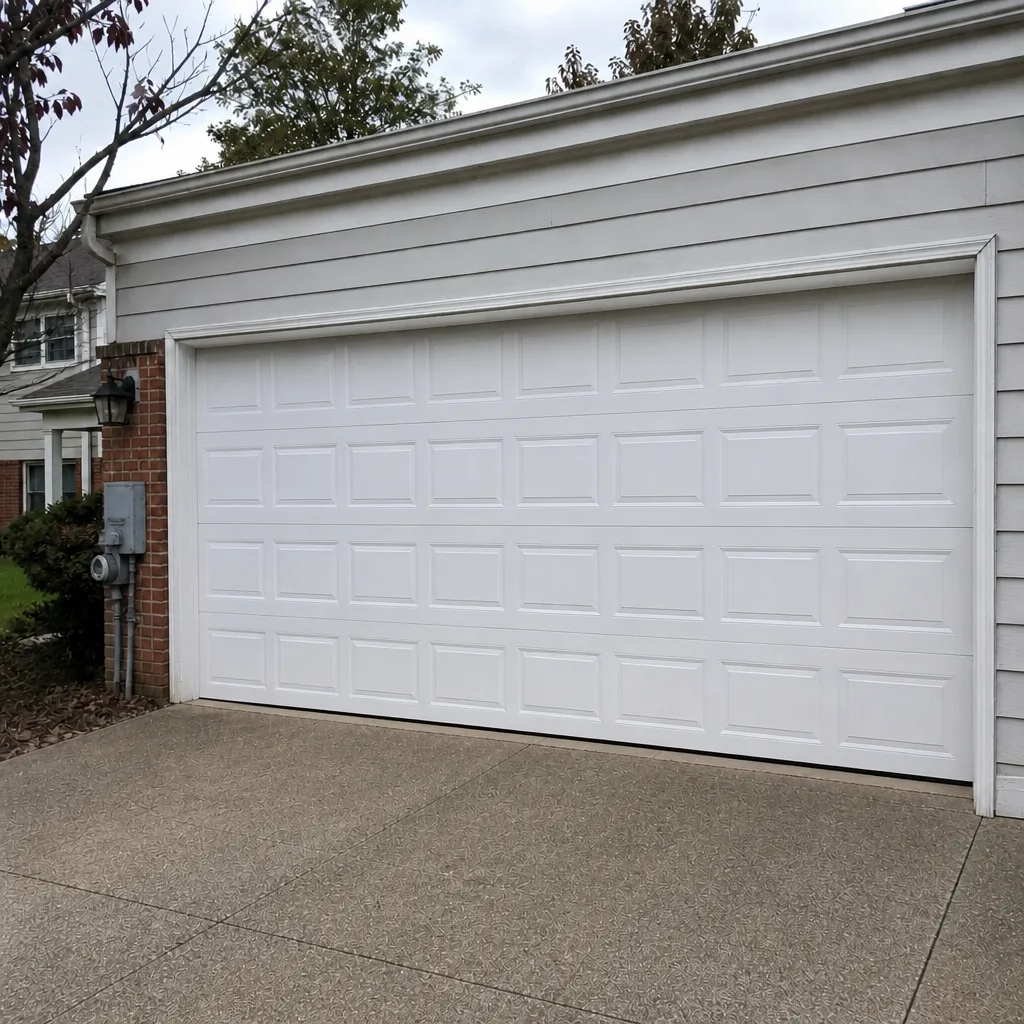
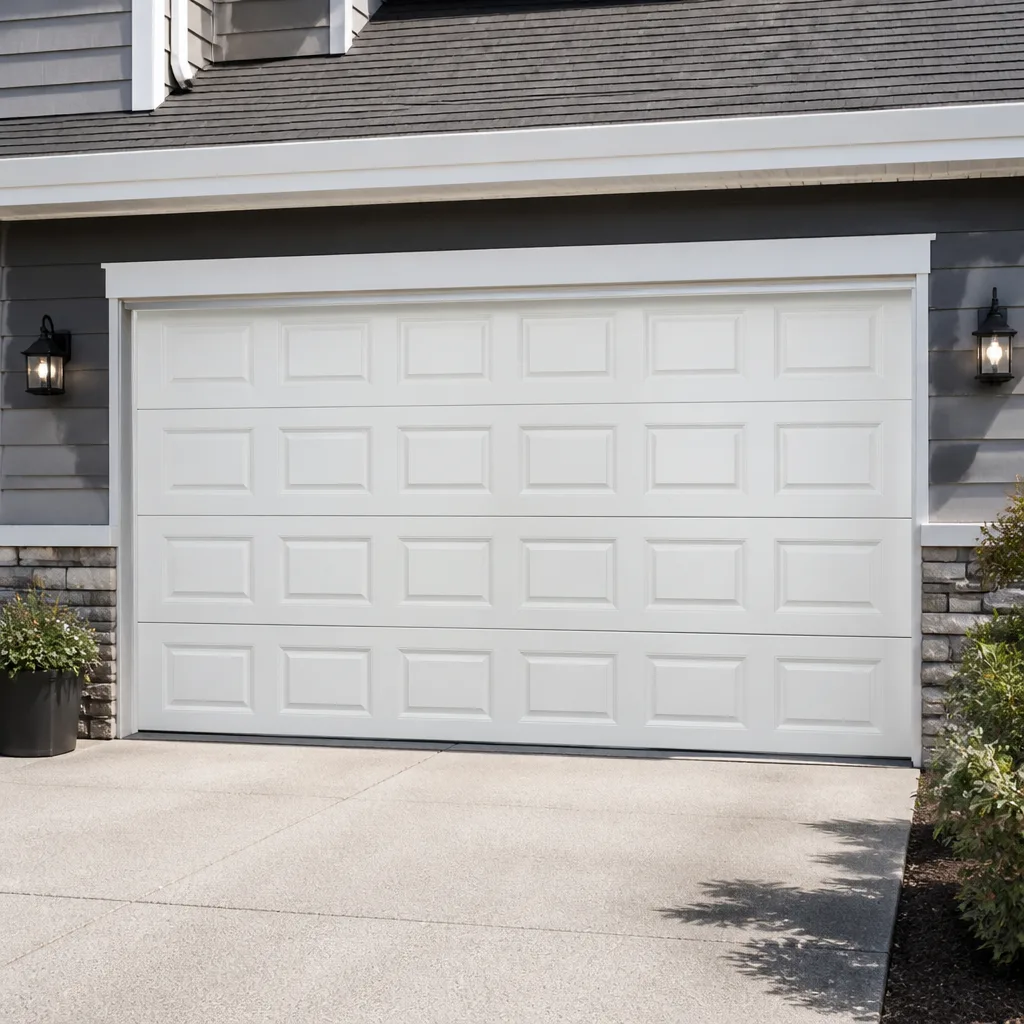 Raised-panel steel
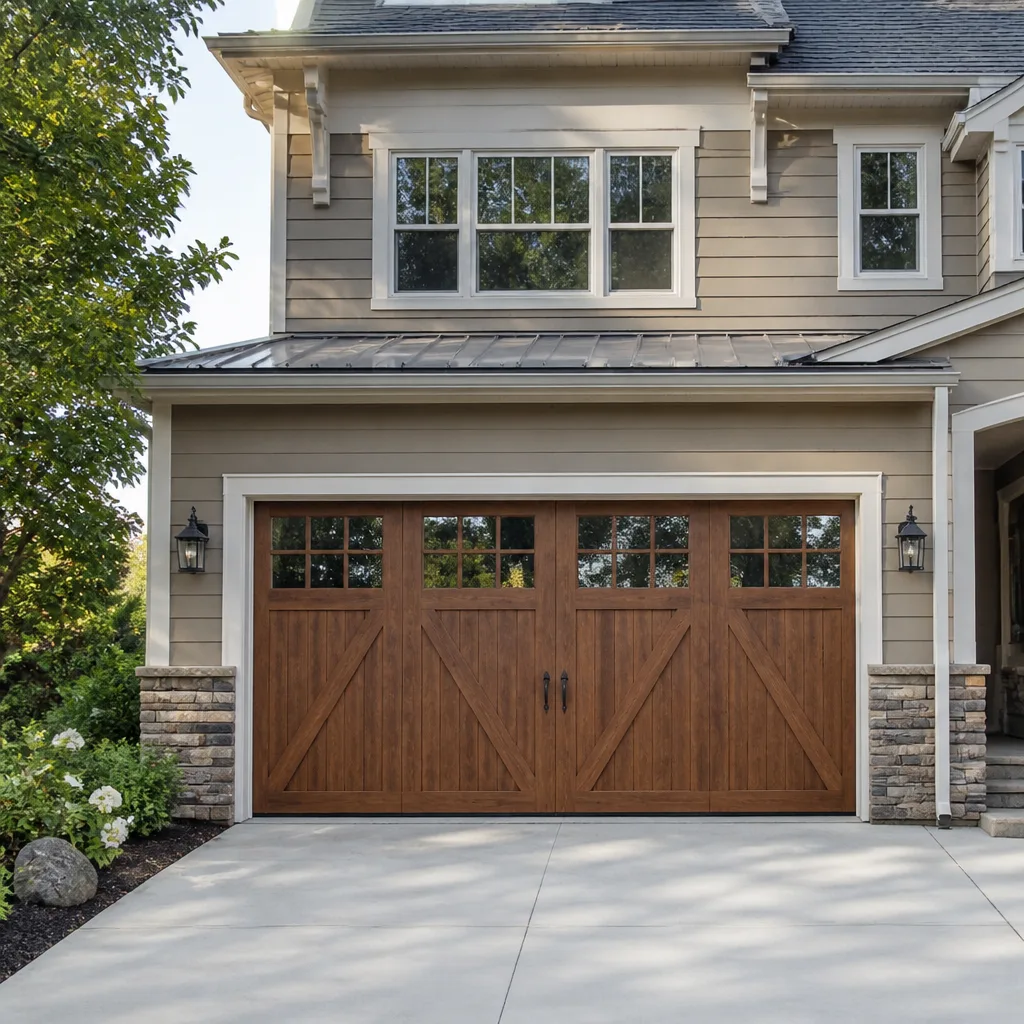 Carriage house
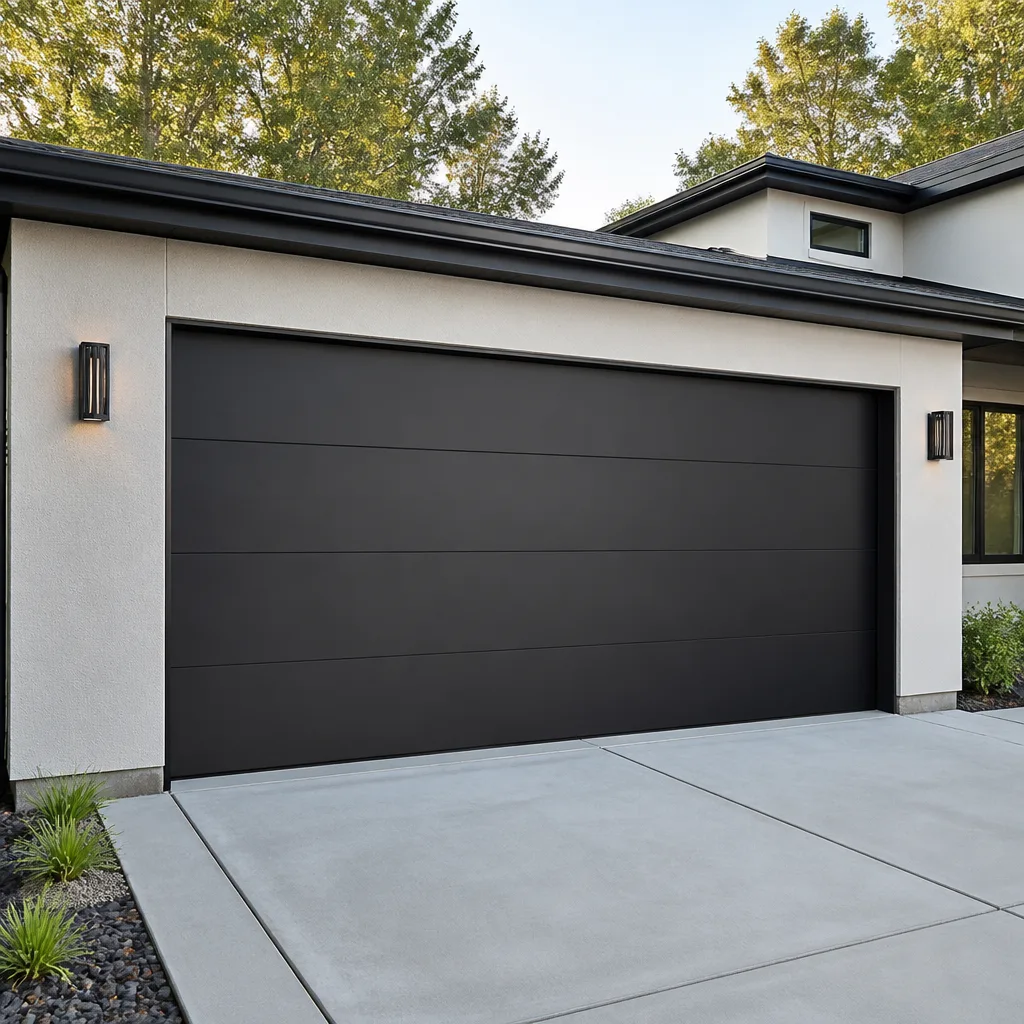 Modern flush
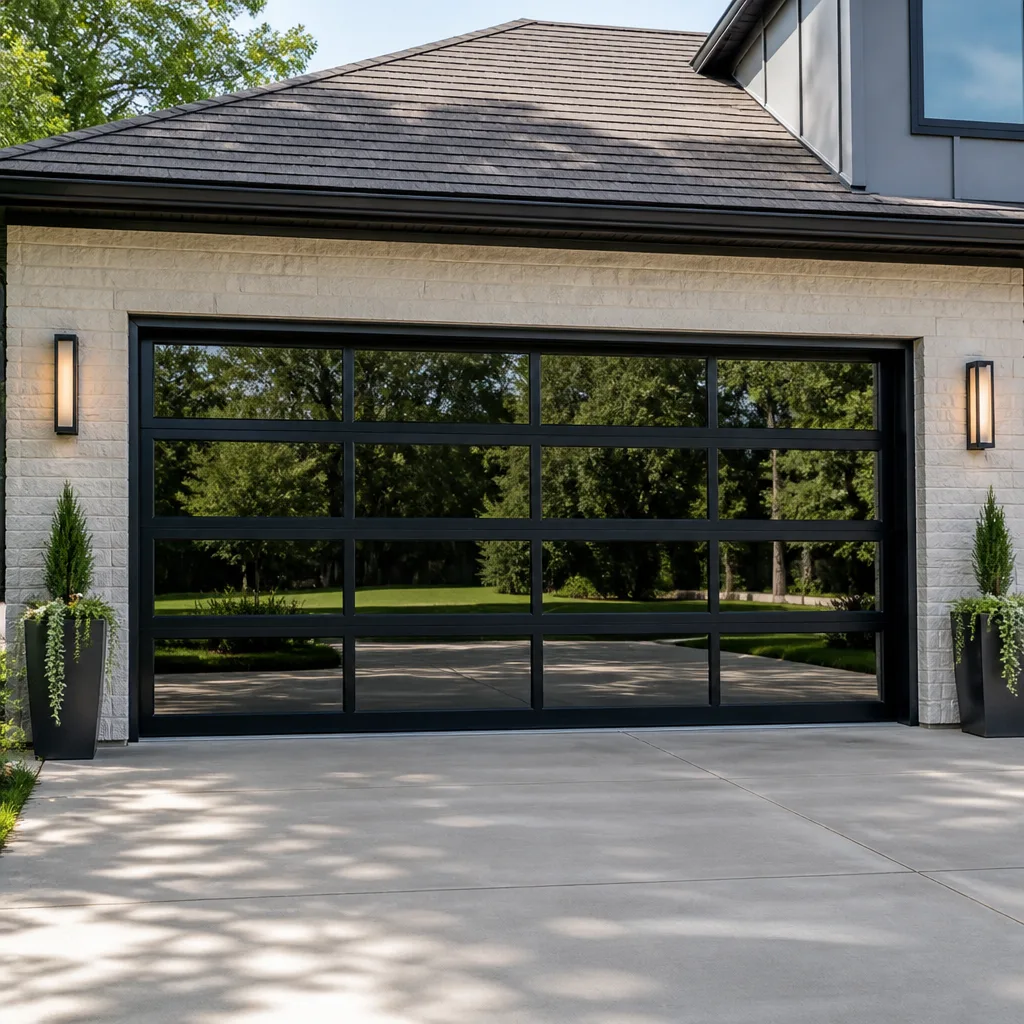 Full-view glass
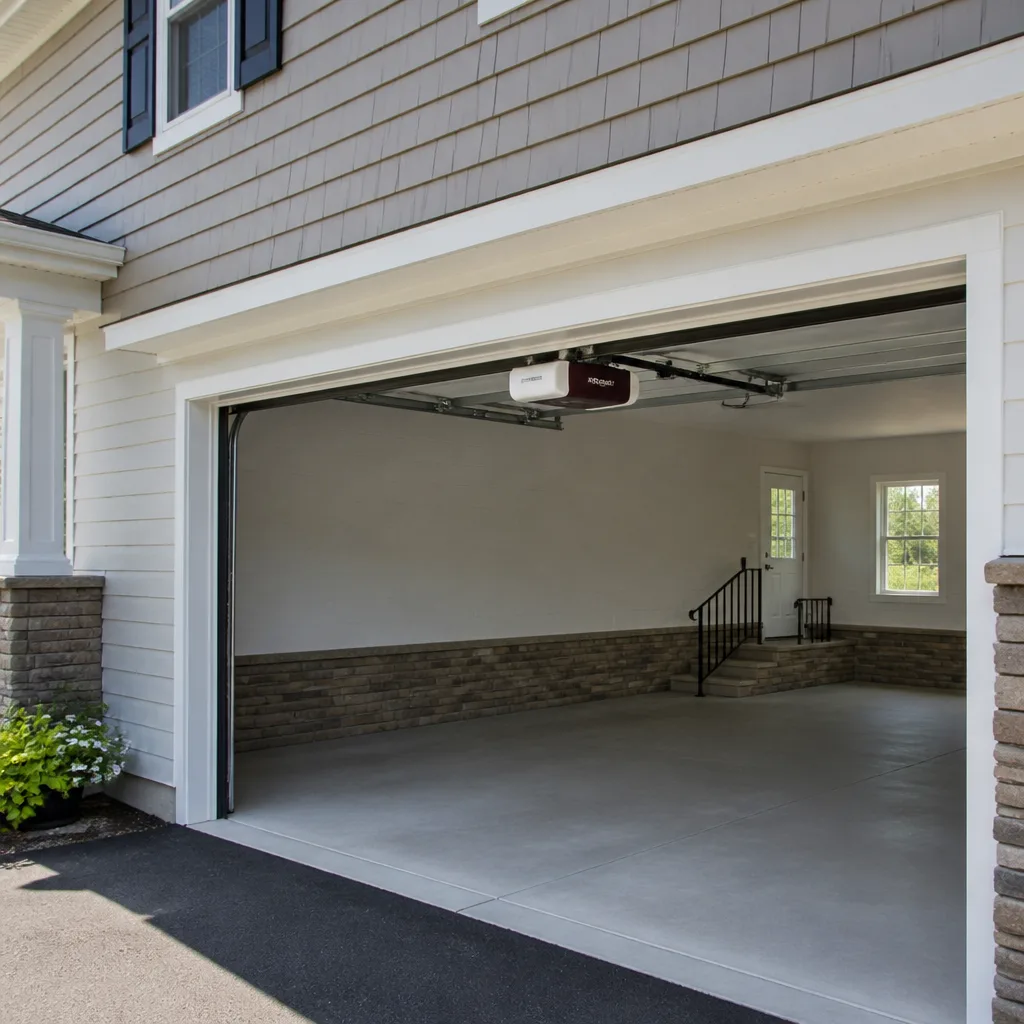 LiftMaster openers
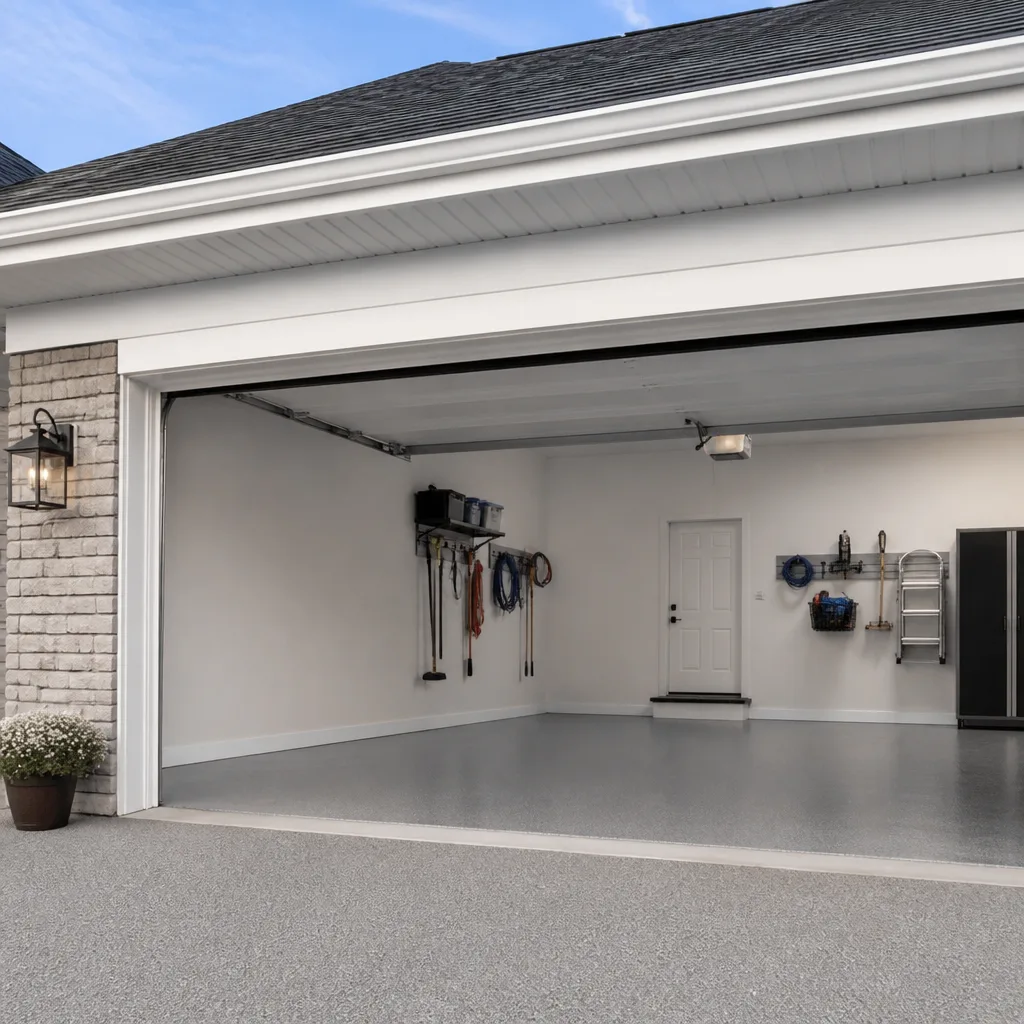 Chamberlain openers
Full 25-point door and opener safety check with every visit - springs, cables, rollers, tracks, and your LiftMaster or Chamberlain opener included
You get a price before we start. It does not change when the pro arrives.
Get your free estimateGarage Door Cost Breakdown: The Columbia Homeowner’s Reference for 2026
Most cost guides for garage doors hand you one big number and send you on your way. That number is usually built from national averages, and it rarely survives contact with a real Columbia driveway. Here’s the part that trips people up: the same base steel door can land in two very different price brackets depending on the opening it has to fit, the hardware underneath it, and whether your house predates the standard sizing every manufacturer now defaults to. In Columbia, that’s not a rare edge case. It’s a regular Tuesday. We wrote this guide to break garage door pricing into the pieces that actually move the total, so you can read a quote and know what you’re paying for, what’s fixed, and what’s a conversation worth having.
Quick Answer
Garage door replacement in Columbia, MD in 2026 typically runs from about $1,100 for a basic single steel door installed on a straightforward opening to $4,500 or more for a double insulated door with a new opener, upgraded hardware, and haul-away. Repair costs sit far below that: spring replacement starts around $180 per spring, opener repairs commonly fall between $150 and $450, and most hardware fixes come in under $200. The written estimate you get after a proper measure is the number that counts; everything before that is a range.
Styles & brands we work with
- Raised-panel steel
- Carriage house
- Modern flush
- Full-view glass
- LiftMaster openers
- Chamberlain openers
Table of Contents
- What’s Actually in a Garage Door Quote: The Line Items That Matter
- Why Older Columbia Homes Carry a Non-Standard Opening Surcharge
- Repair vs. Replace: Where the Cost Crossover Sits by Component
- What’s Negotiable in a Quote and What Isn’t
- How to Use Multiple Quotes Without Getting Burned
- How Columbia’s Climate and Housing Affect What You Pay
- Timing Your Replacement: When to Plan and When to Wait
- Common Mistakes to Avoid
What’s Actually in a Garage Door Quote: The Line Items That Matter
A garage door quote is really four quotes stacked on top of each other: the door itself, the insulation inside it, the hardware and track that hold it, and the labor to install and tune it. When a bid comes in as a single lump sum, you lose the ability to see which of those four is inflating the price. Ask for the breakdown before you sign anything.
The door panel. Steel is the default, and the gauge matters. Most builder-grade doors are 25-gauge steel, which is thinner and dents more readily than 24-gauge. Moving from 25-gauge to 24-gauge on a single door adds a modest amount – often in the range of $75 to $150 – and buys you a door that holds up better to daily cycles and the occasional bumped trash can. Composite doors, which mimic wood grain without the rot risk, sit higher. Real wood is the top of the range and needs periodic sealing in a mid-Atlantic climate with its humidity swings.
Insulation. A non-insulated door is the base price. Adding a polystyrene layer (the cheaper option) or polyurethane (the denser, higher-performing option) is an upcharge that scales with the R-value. For a garage attached to living space, insulation pays you back in comfort and noise reduction, not just energy math. For a detached garage or a storage-only building, the upgrade is harder to justify.
Hardware grade. Standard hinges, rollers, and brackets are fine for a light door. Heavier doors, or doors facing a lot of daily use, benefit from heavier-duty rollers and reinforced brackets. Track that runs longer than standard or needs custom bends for a low-clearance opening adds cost here too.
Labor. Howard County labor rates sit at the mid-to-upper end of the mid-Atlantic market. A single door install is typically a half-day job for a two-person crew; a double door with a new opener and track replacement is usually a full day. Labor is the line item that varies least between reputable contractors, which is why you should be suspicious of a bid that’s dramatically low on labor. It usually means something is missing.
Our technicians have up to 9 years of experience, and installing a wide range of systems has shown us that the biggest price surprises come from the opening, not the door. That’s the next section.
Why Older Columbia Homes Carry a Non-Standard Opening Surcharge
Most new garage doors are built to fit what manufacturers treat as a standard opening: 8 feet wide and 7 feet tall for a single, 16 feet wide and 7 feet tall for a double. If your opening measures within an inch or two of those figures and the header is level, you’re in standard territory. If it doesn’t, the door has to be built or modified to fit, and that’s where the surcharge lands.
Columbia has a lot of housing stock from decades when garage sizing wasn’t standardized the way it is now. Ranch homes and split-levels across neighborhoods like Wilde Lake, Oakland Mills, and Long Reach frequently carry openings that measure a few inches off nominal, or that sit a bit lower than 7 feet because the header was built tight. Other times the opening is standard but out of square – the header has settled a fraction over the years, which means a stock door won’t sit right no matter how carefully it’s hung.
The typical triggers for a non-standard surcharge include:
- A width or height more than about an inch off the standard for that door type
- A header that’s out of level by more than a small fraction, which requires adjustment before the door will operate cleanly
- A low-clearance opening where the standard track geometry doesn’t fit and a low-headroom track set is required
- An older torsion setup that’s been converted or needs new mounting points for the modern hardware
When any of those apply, expect the door price to rise. The increase usually reflects either a custom-built door or the extra labor to modify framing and track. The right move is to have the opening measured properly before you commit to a door. A free measure from a specialist will tell you which side of the line you’re on – and if the house is going to need framing work, you want to know that before the door shows up.
Repair vs. Replace: Where the Cost Crossover Sits by Component
Here’s the calculation that confuses most homeowners: when is a repair genuinely the better call, and when are you throwing good money after a door that’s already near the end of its useful life? The answer depends on which component has failed and how old the rest of the system is.
Springs. A single torsion spring replacement typically runs from about $180 for one spring, and because springs are matched by weight and usually replaced as a pair, budget roughly double for a matched set. That’s almost always the right call versus replacing the whole door, unless the panels themselves are failing. If the spring is the only problem and the door is otherwise sound, replace the spring and move on. This is the highest-risk repair in the trade and the one you should never attempt yourself – torsion springs hold enormous stored tension, and loosening the wrong set screw or winding in the wrong direction can cause serious injury. A trained technician does the job safely, and that’s what you’re paying for.
Openers. A repair on an existing opener usually lands between $150 and $450 depending on whether it’s a gear, a logic board, a safety sensor, or a remote issue. A new opener plus installation typically runs higher. The crossover is straightforward: if the opener is more than about a decade old and needs a logic-board or motor replacement, the repair cost starts to approach the value of a new unit. We’ll tell you that plainly rather than sink your budget into a unit that’s about to fail again. Brands like LiftMaster, Chamberlain, Genie, and Craftsman are what we see most often in Columbia, and we know the common failure points in each.
Panels and hardware. A single dented bottom panel or a worn roller set is a small repair. A door with multiple failing panels, cracked hinges, and a bent track is a replacement scenario, because the labor to chase each problem individually adds up past the cost of a fresh door.
A practical rule: add up the repair quotes. If they total more than about half the cost of a new door, and the door is already showing its age, replacement is usually the better investment. You get a warranty, a door that runs smoothly, and no repeat calls next season.
What’s Negotiable in a Quote and What Isn’t
Not every line in a garage door quote is fixed. Knowing which ones have room and which don’t saves you from wasting a negotiation on something that’s actually a safety requirement or a legal obligation.
What’s usually negotiable
- Haul-away fees. Removing the old door and disposing of it is a real cost, but it’s often a line item you can question. If you’re willing to handle disposal yourself, some contractors will drop the fee.
- Keypad and remote add-ons. These are accessories. If you don’t need an extra remote or a wireless keypad, don’t pay for them.
- Extended labor warranties. Some contractors offer an extended labor warranty beyond the manufacturer’s parts coverage. It’s optional, and it’s worth asking what it actually covers before you add it.
What’s not negotiable
- Spring grade matched to door weight. The spring has to be sized to the door’s actual weight, or it will fail early and fail dangerously. Never accept a lighter spring to save money.
- Permit fees. Whether a permit is required for your replacement depends on your municipality. Most cities require a permit for structural or electrical work; ask your city’s building department directly, and don’t accept a bid that claims permits aren’t needed if the department says otherwise.
- Opener compatibility. A new opener has to match your door’s weight and the existing wiring and safety-reverse setup. Cutting corners here creates a safety problem, not a cost saving.
If a contractor is willing to flex on any of the “not negotiable” items to win your business, that’s a signal to look elsewhere. The right fix isn’t the cheapest fix; it’s the one that holds.
How to Use Multiple Quotes Without Getting Burned
Getting three quotes is standard advice, and it’s good advice – as long as you’re comparing them correctly. The mistake we see most often is treating the lowest total as the best value when the two bids aren’t actually quoting the same scope.
Here’s how to compare properly:
- Demand line items, not totals. A complete bid lists the door model and gauge, insulation R-value, hardware grade, opener model if included, labor, haul-away, and permit status. A one-line bid that just says “install garage door – $1,400” tells you nothing.
- Check the door specs match. One bid may be quoting a 25-gauge non-insulated door and another a 24-gauge insulated door. The lower number isn’t cheaper; it’s a different product. Compare like for like.
- Ask what’s excluded. A cheap bid often excludes the old-door removal, a needed opener, or the framing adjustment for an out-of-square opening. Those gaps become change orders on install day, and the final invoice is what you actually pay.
- Confirm the measure was done on-site. A bid written from a photo or a verbal size description is a guess. A proper bid comes after someone has measured the opening, checked the header, and confirmed the track geometry.
- Read the warranty. Parts coverage from the manufacturer is separate from labor coverage from the contractor. Know what each bid includes for both.
- Ask about the safety-reverse test. Any competent install includes verifying the door reverses when it meets an obstruction. If a bid doesn’t mention it, ask.
In our experience, the bid that’s $300 lower than the rest and doesn’t itemize is the one that ends up costing more once the missing pieces get added. The written estimate should be complete, and the price should be agreed before any work starts. That’s the standard to hold every contractor to.
How Columbia’s Climate and Housing Affect What You Pay
Columbia’s weather matters more to your garage door than most homeowners realize. The mid-Atlantic swings between humid summers and cold winters with regular freeze-thaw cycles. That cycle is hard on springs, which fatigue faster when they’re working against temperature-driven expansion and contraction in the door and track. A door that felt fine in April can start sounding rough by January.
Humidity is the second factor. Steel panels and untreated wood both suffer in a damp climate. Steel resists rot but can corrode at the bottom edge where water collects; wood needs periodic sealing to keep it from swelling and warping. Composite doors exist precisely because they sidestep both problems. If you’re replacing a door that’s failed at the bottom panel, that’s often a moisture story, not just wear.
The housing stock compounds it. Many Columbia homes were built with garages that share a wall with living space, which makes insulation a comfort upgrade rather than a luxury. Others have detached garages where the insulation math is different. In the older neighborhoods around Harper’s Choice and Owen Brown, we regularly see openings that have settled slightly, and that settlement changes what door will fit cleanly. Knowing the neighborhood’s housing character helps a specialist recommend the right system rather than the default one.
What we don’t see much of in Columbia is hail. Impact damage from hail is uncommon here, so if a contractor leads with a hail-damage pitch, ask questions. Storm damage from wind-blown debris is a real concern, but it’s a different conversation.
Timing Your Replacement: When to Plan and When to Wait
Garage door replacement isn’t an emergency service – it’s a measured, ordered, scheduled job. That’s a good thing, because it means you can plan around it rather than react to it. The door gets measured, the manufacturer builds to spec, and the install gets scheduled. Rushing that process is how people end up with a door that doesn’t fit.
If your door is still operational and the issue is cosmetic – faded paint, a dent that doesn’t affect function, an older style you want to update – there’s no urgency. Take the time to get quotes, compare specs, and pick the door you actually want. If the door is failing mechanically, the calculation changes. A door that won’t close is a security concern, and a door with a failing spring or opener is a safety concern. Those move to the front of the line.
Spring and opener failures are a different category. Those are repairs, and they can often be handled quickly because the parts are standard. If your door is stuck open or won’t close, that’s when you call for emergency service rather than waiting for a scheduled install. Our garage door spring repair team handles the high-risk spring work on-site, and our garage door opener repair specialists can diagnose the unit and tell you whether a repair or a replacement is the right call.
Common Mistakes to Avoid
- Comparing a lump-sum bid to an itemized one. They look like the same job, but if one bid omits the door removal or the opener, the comparison is meaningless. Ask every contractor for the same line items so the numbers are actually comparable.
- Choosing the spring by price rather than weight. A spring sized wrong for the door fails early, and it fails under tension. The correct spring for your door’s weight is not a place to save $30. Insist the spring be matched to the door.
- Skipping the on-site measure. A bid based on your verbal description of the opening is a guess, and Columbia’s older homes regularly have openings that don’t match the description. A proper measure catches the non-standard surcharge before it shows up on the invoice.
- Assuming a permit isn’t needed. Permit requirements vary by municipality, and getting this wrong can mean the work has to be redone. Call your city’s building department and ask directly rather than trusting a contractor’s shortcut.
- Ignoring the opener when replacing the door. A new, heavier insulated door paired with an old, underpowered opener is a mismatch. If the door is being upgraded, check that the opener can handle the new weight and that its safety-reverse still works.
- DIY spring work. Torsion springs store enough energy to cause serious injury. This is the single repair where the cost of a professional is a safety decision, not a convenience one.
- Letting a small issue become a big one. A door that’s been noisy or slow for months is usually telling you something – a worn roller, a failing spring, a misaligned track. Addressing it early keeps the repair in the small-repair bracket rather than the replacement one.
See the difference
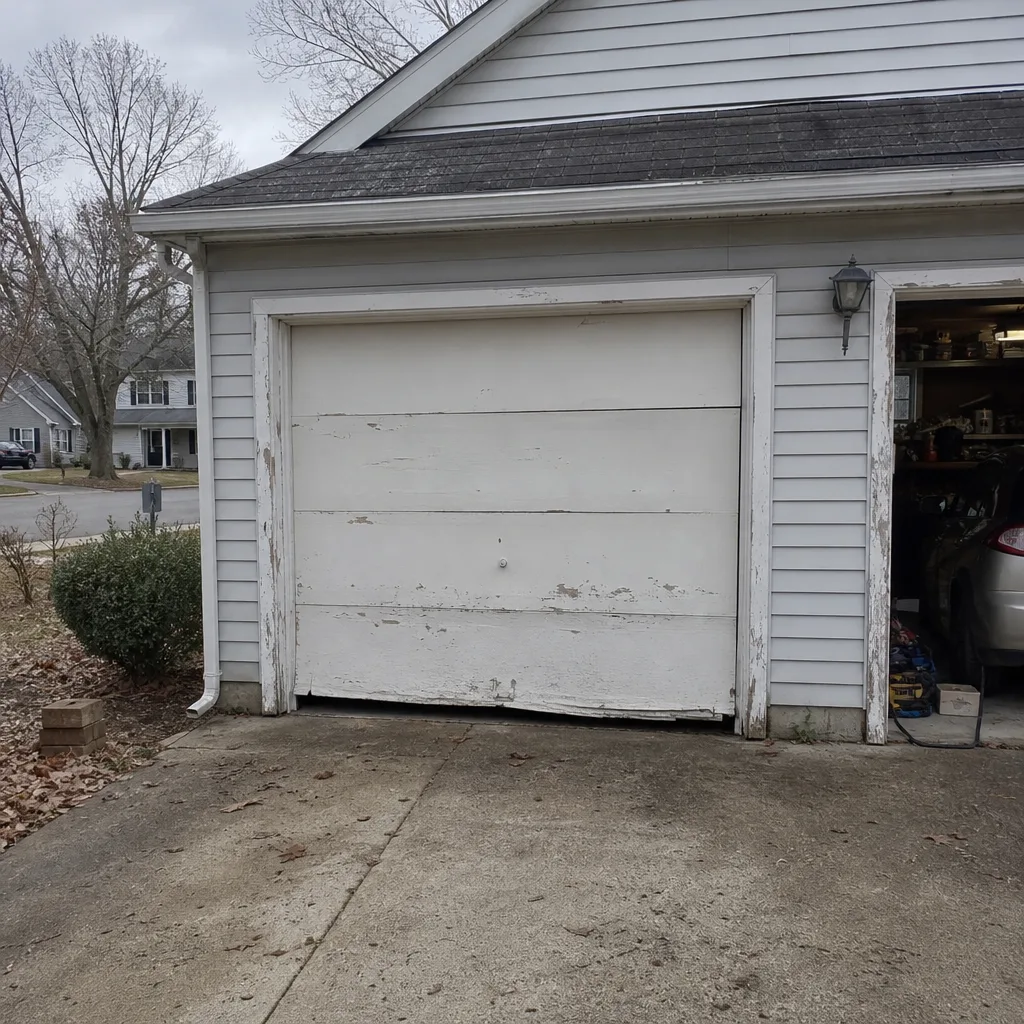 Before
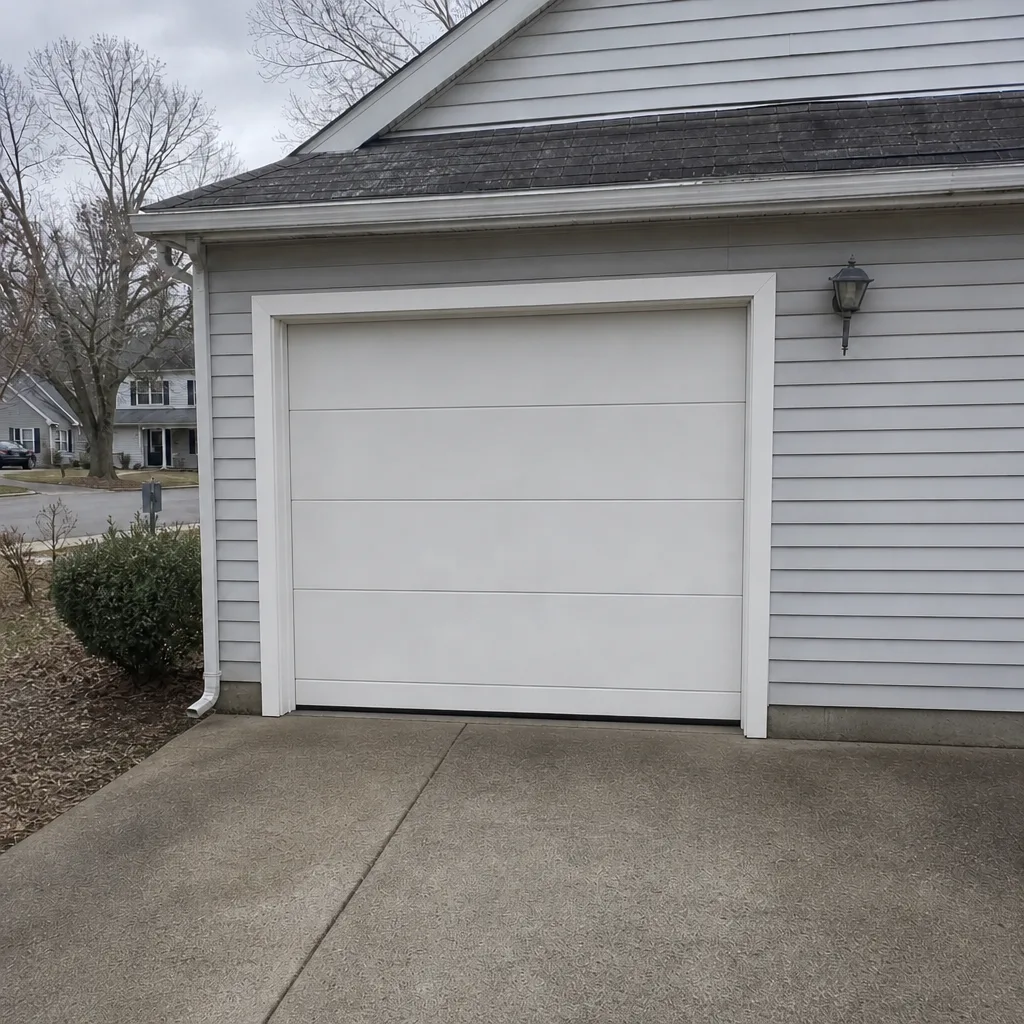 After
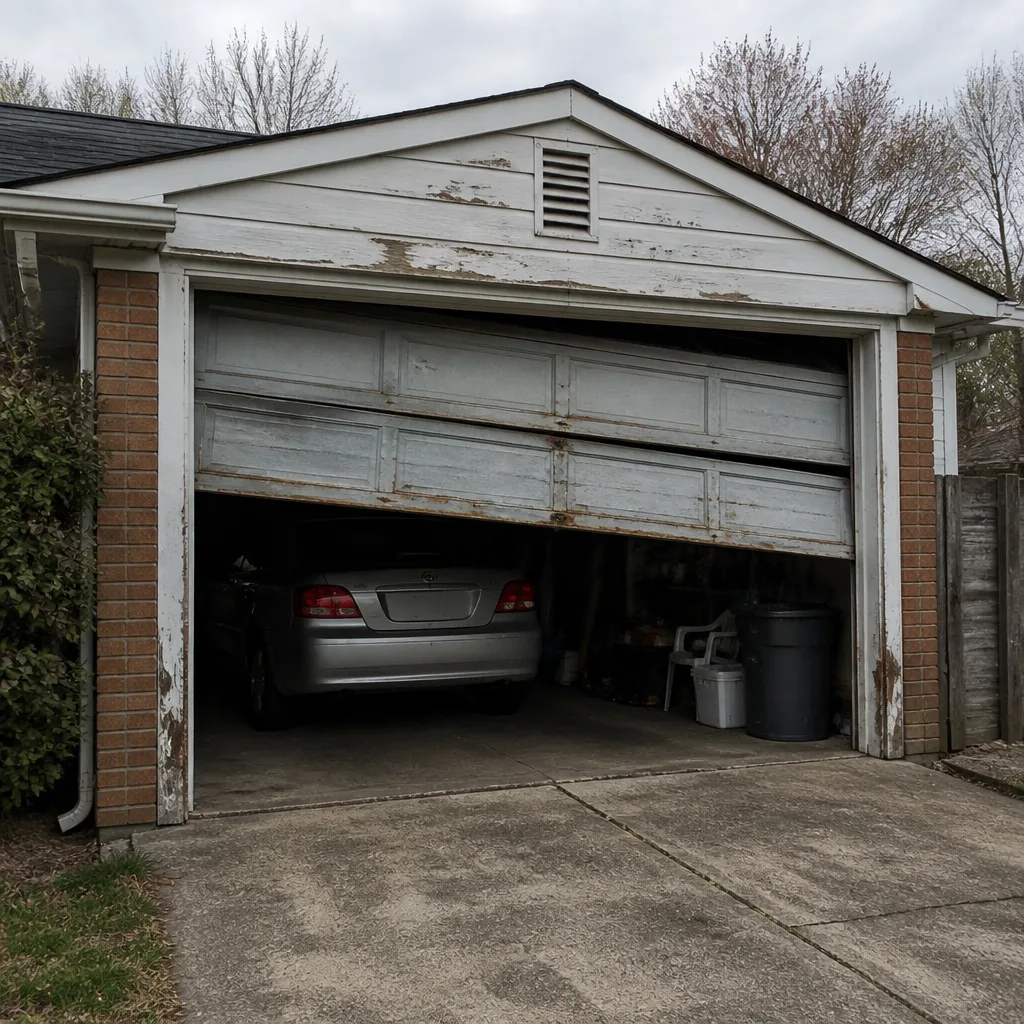 Before
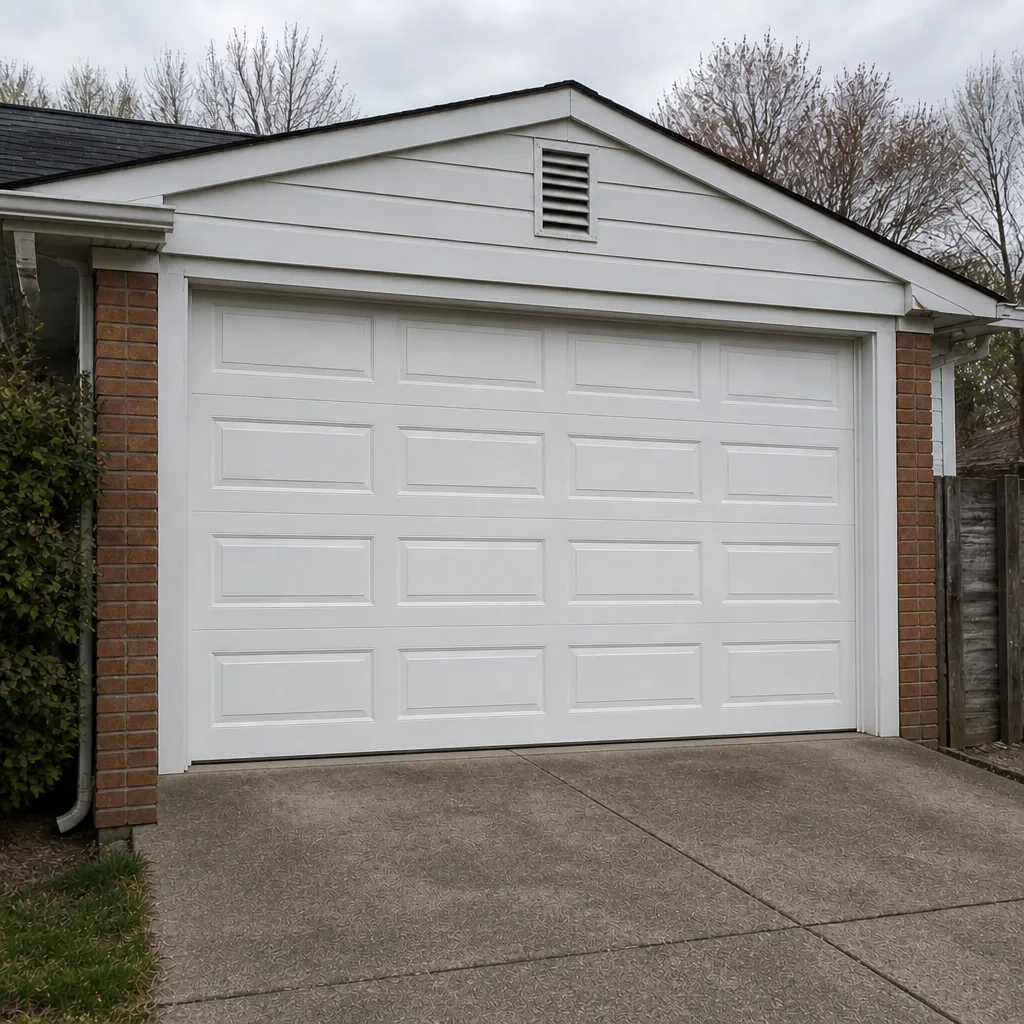 After
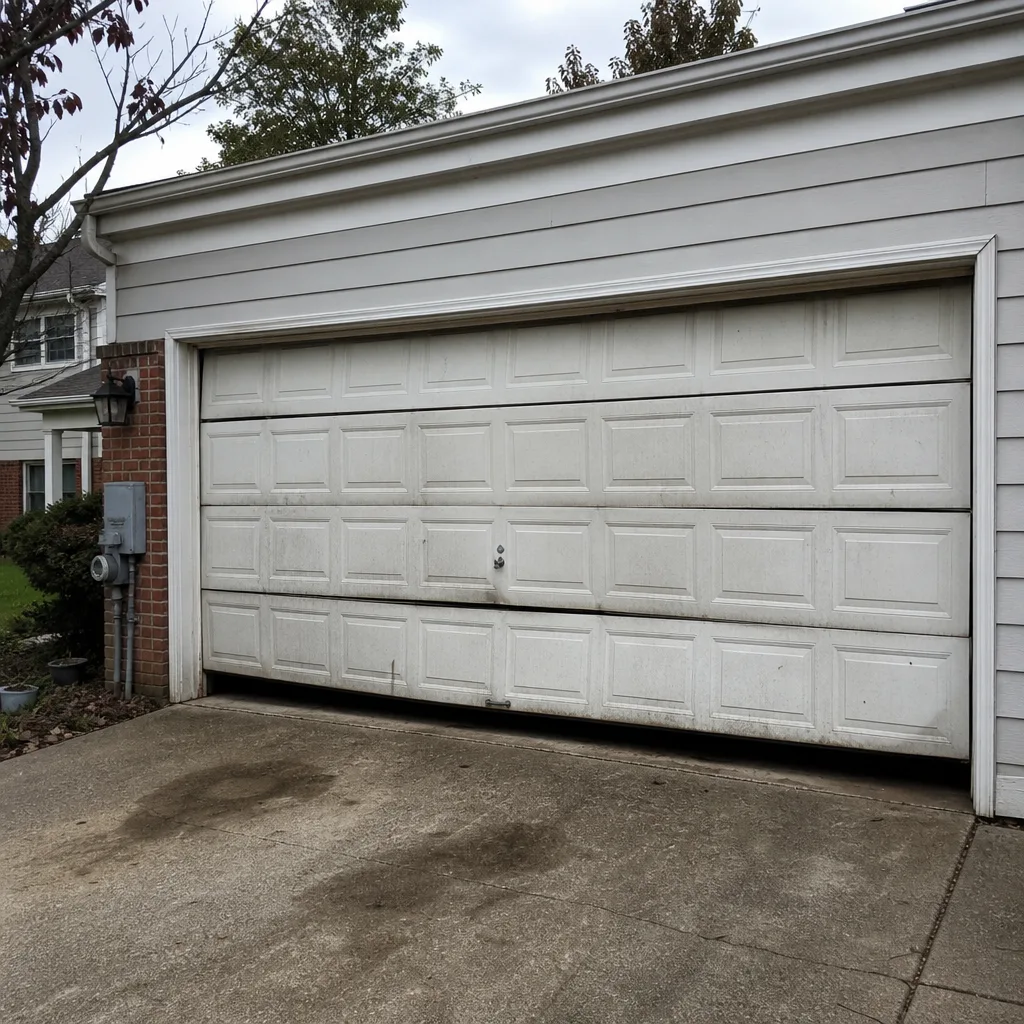 Before
 After
When to Call a Professional
Some garage door problems are a scheduled maintenance conversation and some are a call-right-now situation. Call a professional immediately if the door won’t close and your home is exposed, if you hear a loud snap and the door won’t lift, if the door is hanging unevenly or a cable looks slack, or if the opener runs but the door doesn’t move. Those point to spring, cable, or opener failures that are unsafe to handle yourself. For routine replacements, a free on-site measure is the right first step, and a written estimate should follow before any work is scheduled.
Columbia Garage Door Repair Pros offers free estimates in Columbia – call (844) 913-3261. We handle everything from a single spring to a full new door, and we know the systems in your neighborhood’s homes. Whether it’s repair or replacement, you’ll get the price in writing and agree to it before we start.
Frequently Asked Questions
Most single-door replacements in Columbia run from about $1,100 to $2,800 installed, with double doors and insulated upgrades pushing into the $2,500 to $4,500 range or higher. The exact figure depends on door material and gauge, insulation, hardware, and whether your opening is standard. Call (844) 913-3261 for a free measure and a written quote.
Yes – a door that won’t close is a security issue, and we treat it as a priority. Our garage door repair team handles stuck and broken doors as part of our emergency service. Call (844) 913-3261 and we’ll get you scheduled.
No, the written estimate is the price. We measure and inspect before quoting, so the figure you agree to is the figure you pay. If we find something during the job that genuinely changes the scope, we stop and talk to you before any additional work starts.
The local professionals we connect you with are licensed and insured as their state requires, and they specialize in garage doors rather than splitting time across other trades. Our technicians have up to 9 years of experience with systems from Genie, Chamberlain, Clopay, Amarr, Wayne Dalton, and other major brands.
Replace just the spring if the door panels and track are sound. Spring replacement typically starts around $180 per spring, and a matched pair usually costs about twice that. If the door is also showing failing panels, bent track, or repeated hardware problems, replacement is usually the better investment. Call (844) 913-3261 and we’ll give you an honest read on which path makes sense.
Permit requirements depend on your municipality and the scope of work, so ask the city’s building department directly rather than relying on a contractor’s shortcut. Most cities require a permit for structural or electrical work, and a full replacement may fall into that category in your area. Call (844) 913-3261 if you want us to walk through what typically applies.
The Bottom Line
Garage door costs in Columbia come down to four things: the door itself, the insulation, the hardware and track, and the labor – plus whatever your specific opening requires. A basic single steel door installed runs from about $1,100; a double insulated door with a new opener and upgraded hardware can reach $4,500 or more. Repairs sit far below that, with spring replacement starting around $180 per spring and most opener repairs between $150 and $450. Compare itemized bids, confirm the measure was done on-site, insist on a spring matched to your door’s weight, and treat the written estimate as the price. When you’re ready, our garage door repair team, our garage door opener repair specialists, and our installation crews are all part of the same single-trade focus. For the full range of work we handle across the area, see Columbia Garage Door Repair Pros. Call (844) 913-3261 for a free estimate – we’ll measure, quote in writing, and agree on the price before anything starts.
Written by the team at Columbia Garage Door Repair Pros.