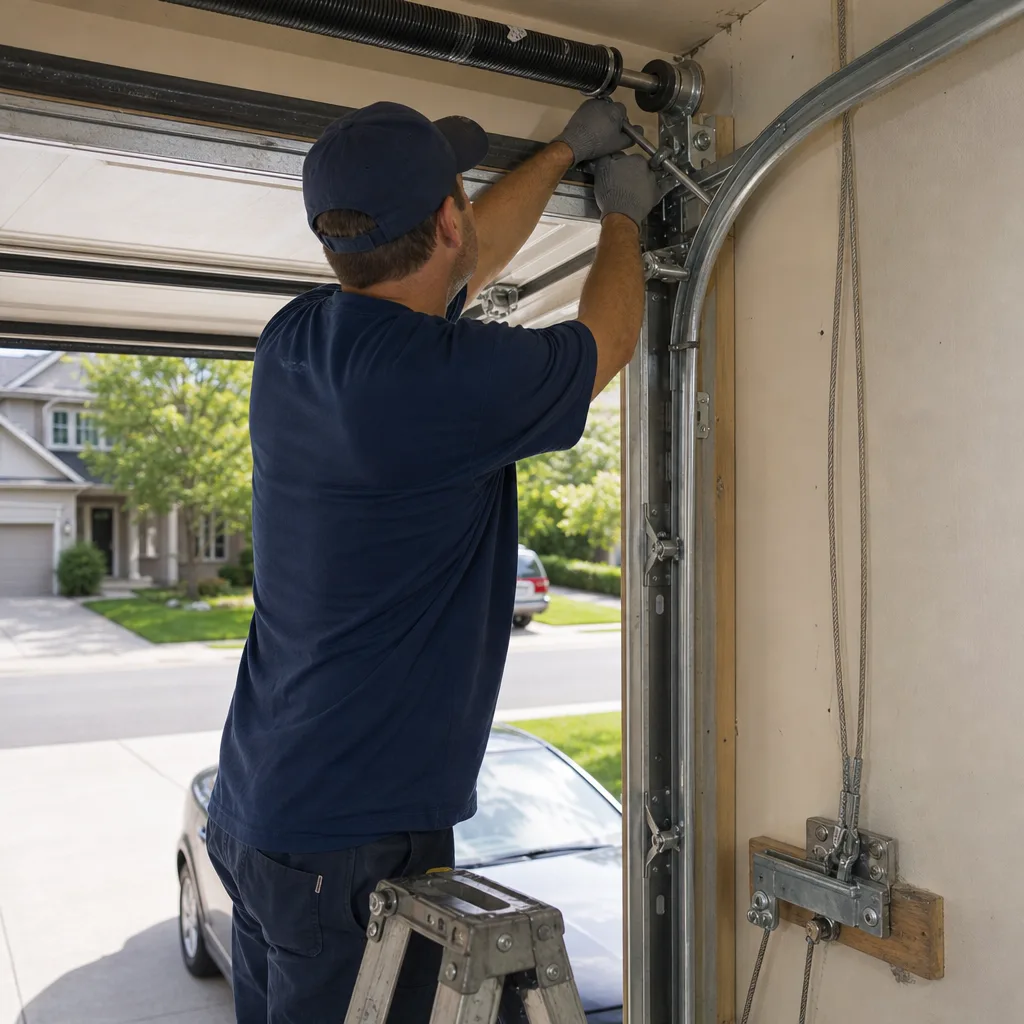
Last updated November 21, 2026
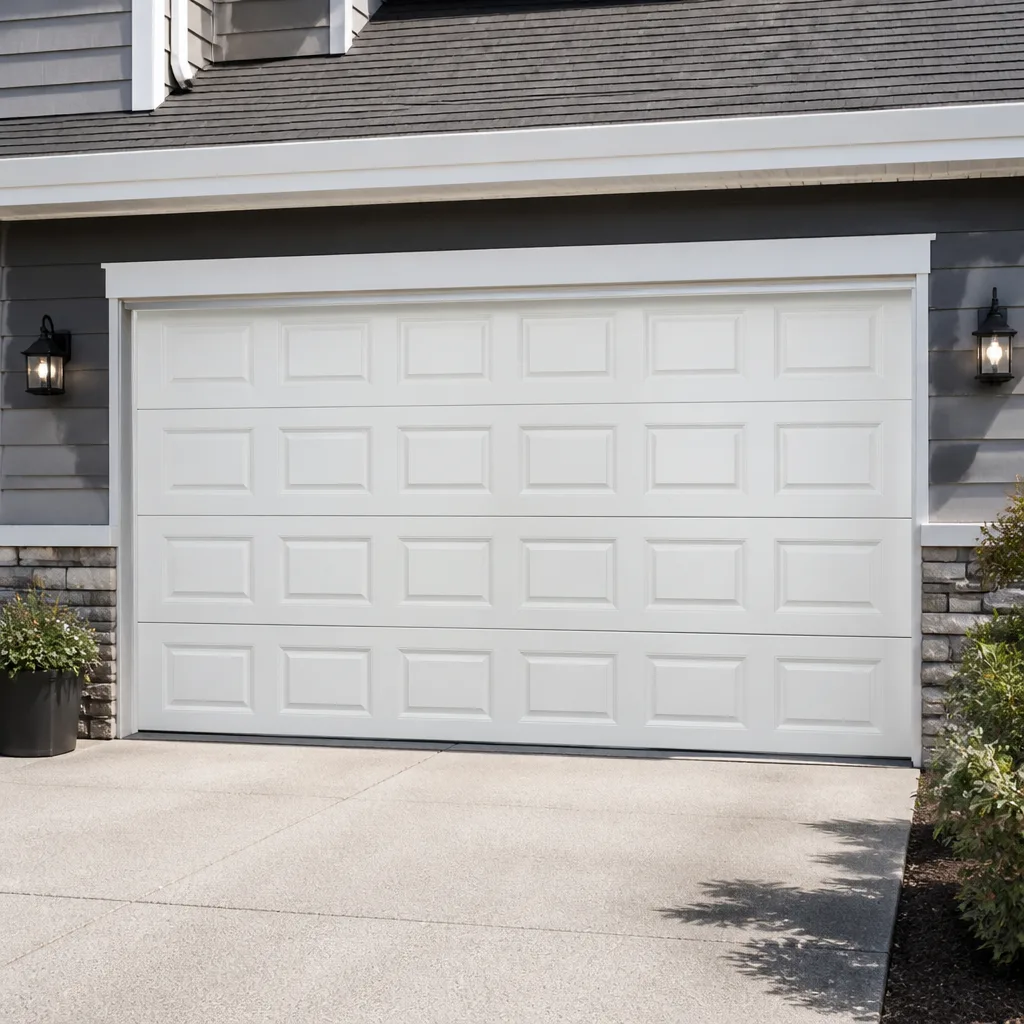 Raised-panel steel
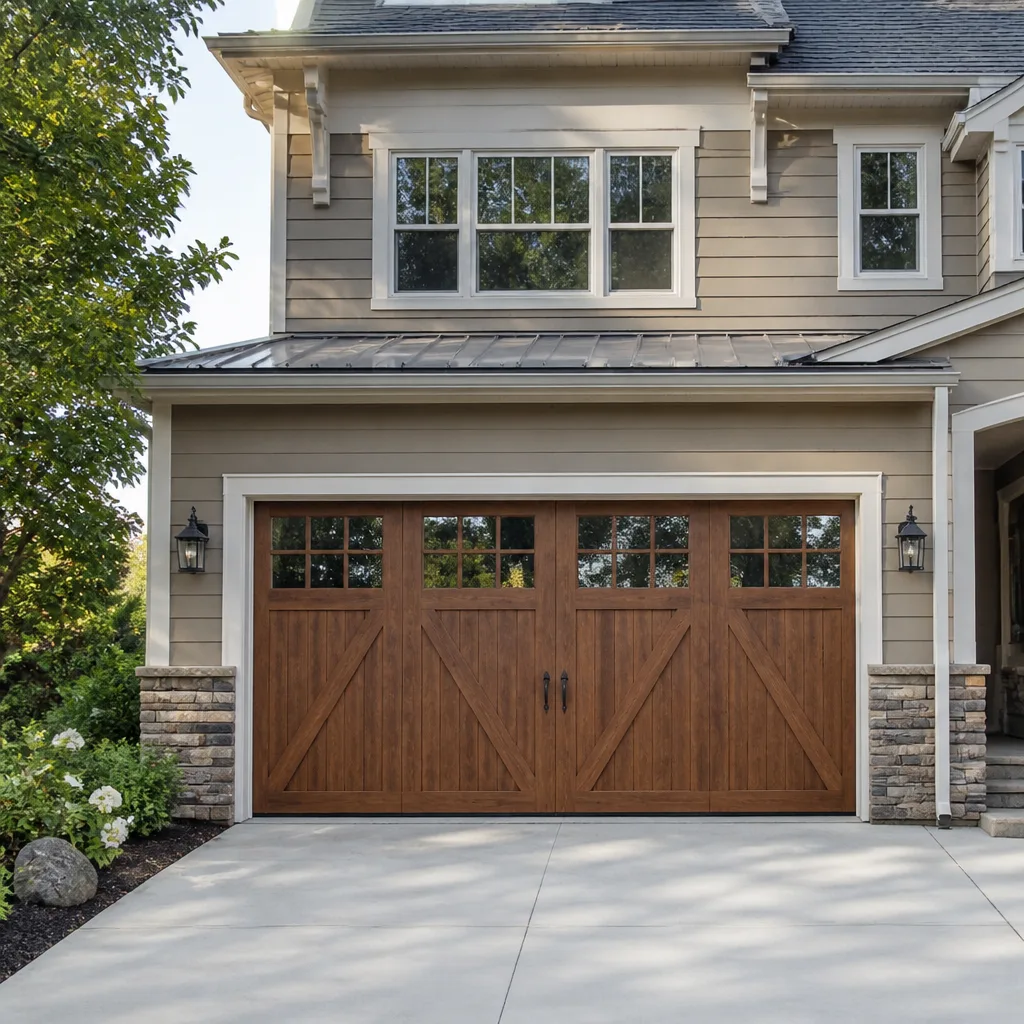 Carriage house
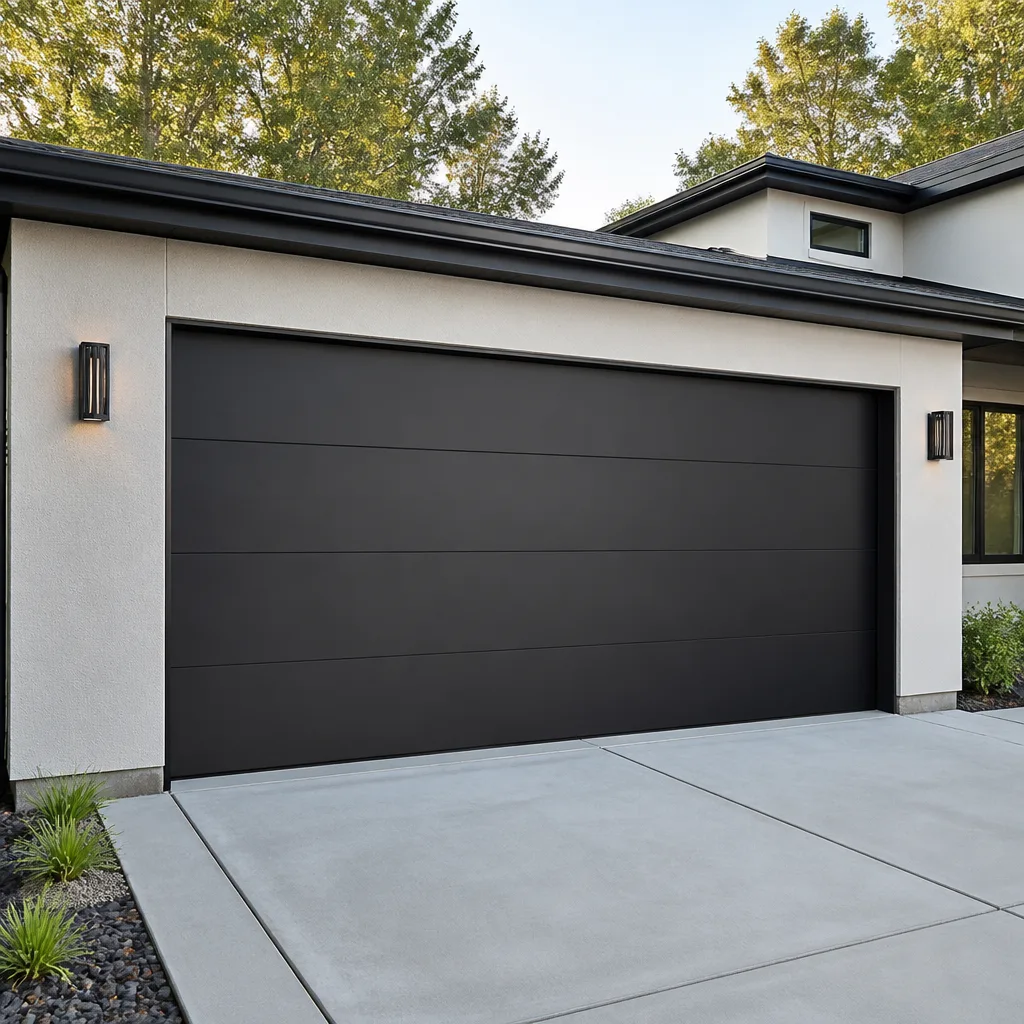 Modern flush
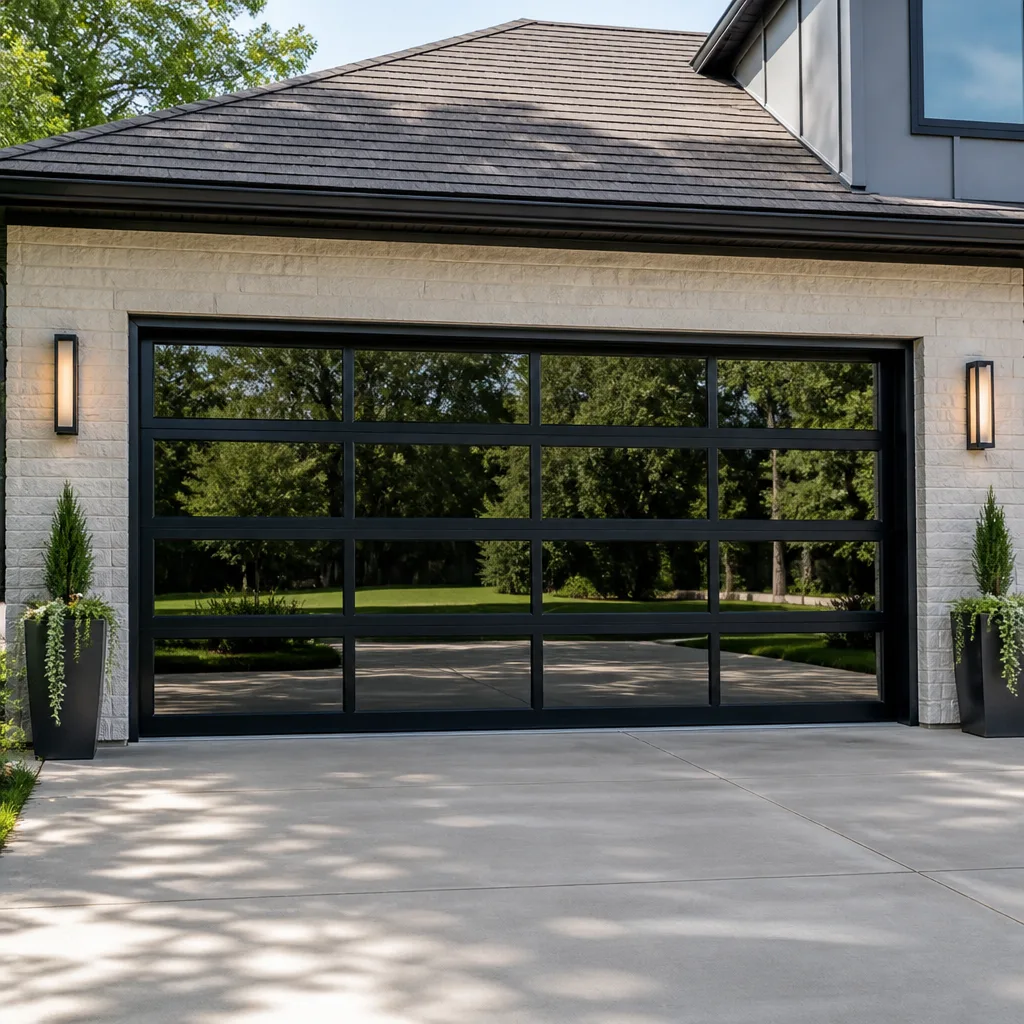 Full-view glass
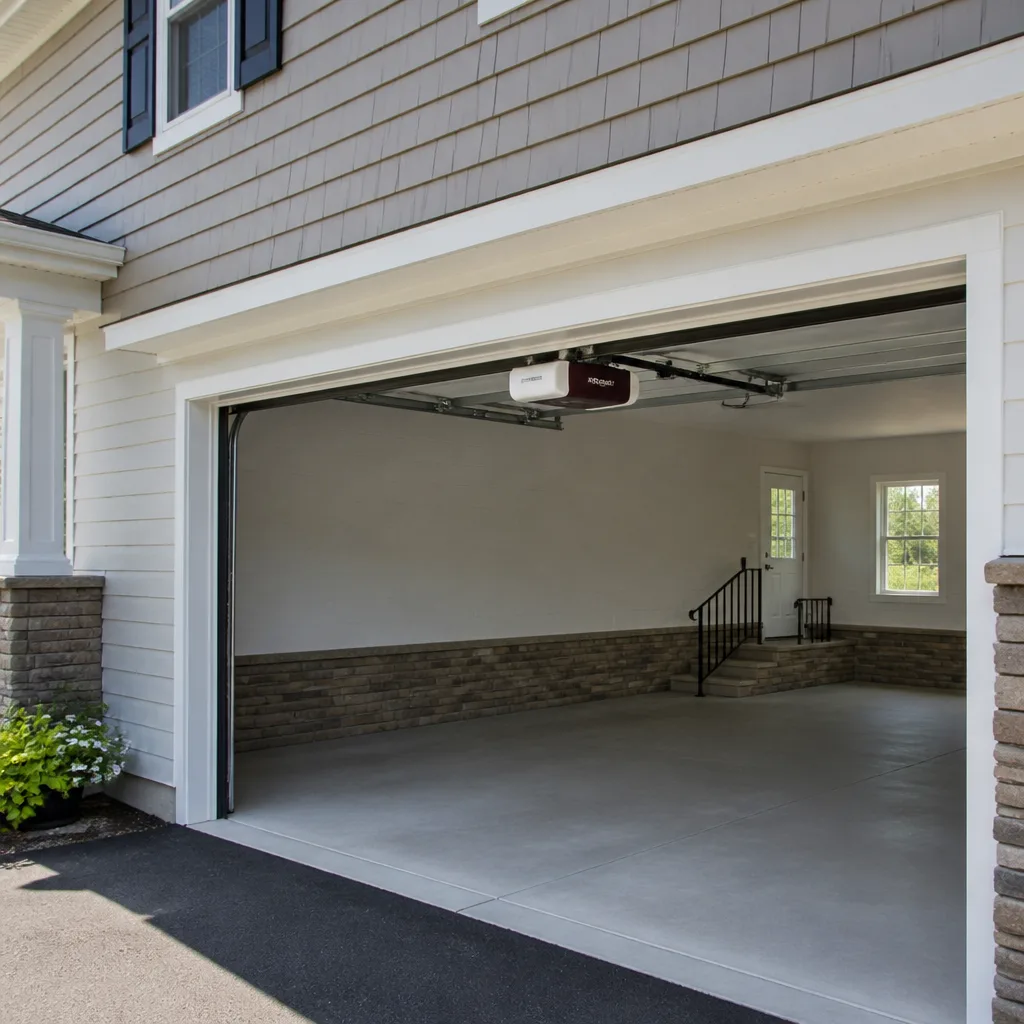 LiftMaster openers
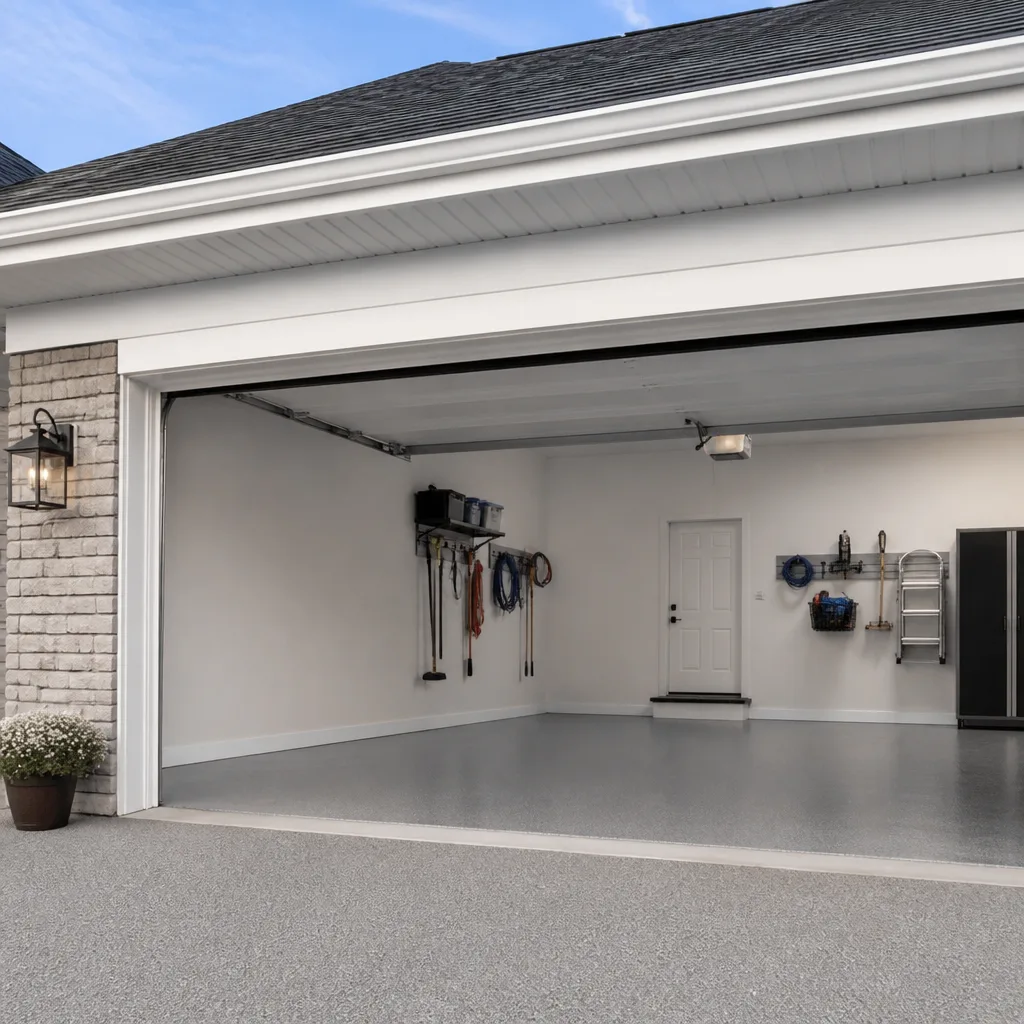 Chamberlain openers
Full 25-point door and opener safety check with every visit - springs, cables, rollers, tracks, and your LiftMaster or Chamberlain opener included
You get a price before we start. It does not change when the pro arrives.
Get your free estimateGarage Door Warning Signs: A Columbia Homeowner’s Reference Guide
Most homeowners wait for the loud snap. By then the decision is already made for them. The signs that actually predict a garage door failure are quieter: a half-second hesitation before the door moves, a coil gap that widened by an inch, a low grind that shows up only in cold weather. In our experience, the real gap between a warning sign and a breakdown is measured in days, not months. A door that hesitates isn’t “just doing that sometimes” – that pause is the opener’s logic board reacting to a force inconsistency, and the cause is usually mechanical, not electronic. This guide walks through what your door is actually telling you: which sounds mean wear, which mean failure is days away, what to look at safely from the floor, and how to sort normal wear from a call-us-now hazard. Every example is grounded in how doors behave in Columbia’s humidity and temperature swings.
Quick Answer
The most reliable garage door warning signs in Columbia are a hesitation or reverse before closing, a loud snap or high-pitched cable squeal, visible coil gaps on the torsion spring, frayed cables, and jerky or slow travel. Grinding and rhythmic popping usually mean wear that can wait for a scheduled visit; a snap, a bang on reversal, or a door hanging crooked means stop using it and call a professional.
Styles & brands we work with
- Raised-panel steel
- Carriage house
- Modern flush
- Full-view glass
- LiftMaster openers
- Chamberlain openers
Table of Contents
- Sounds That Mean Wear vs. Sounds That Mean Failure
- What You Can Safely See From the Floor
- Opener Behavior That Points to a Mechanical Problem
- Columbia Humidity: Normal Rust vs. Dangerous Rust
- Same-Day Service or Scheduled Appointment? A Triage Framework
- The Safe Monthly Check: A Step-by-Step Routine
- Why Knowing Your Brand Shortens the Diagnosis
- Common Mistakes to Avoid
Sounds That Mean Wear vs. Sounds That Mean Failure
Your ears are the fastest diagnostic tool you own, but only if you know which sounds belong to which category. A grinding or scraping noise as the door travels is metal-on-metal contact, usually worn steel rollers or dry hinges. It’s a wear signal. Rhythmic popping that repeats with each panel passing a certain point is typically a roller binding in its track or a hinge plate loosening. Annoying, but not urgent. You can book a scheduled visit and keep using the door in the meantime, though the wear will accelerate.
The sounds that should stop you cold are different in character:
- A single loud snap or bang from above the door. That’s the sound of a torsion spring breaking. The door will suddenly feel extremely heavy or refuse to lift.
- A high-pitched squeal from the side tracks, especially when the door is partway up. That’s a cable under load, and a cable that snaps can whip with serious force.
- A bang on reversal, when the door hits something and the opener slams it back up. That’s a force setting that’s too high, and the safety reverse is no longer protecting what’s underneath.
- A grinding that started suddenly after the door ran quietly for months. Sudden onset points to a broken part, not gradual wear.
In Columbia, we hear the seasonal pattern clearly. Doors that ran quietly in fall develop a scrape in January when cold makes the metal contract and the lubricant thickens. If the noise disappears on a warmer day, you’re hearing temperature, not damage. If it stays, it’s wear that deserves a look. When a cable or spring is involved, we handle garage door spring repair as a same-visit job because those parts carry stored energy that makes them genuinely dangerous to touch.
What You Can Safely See From the Floor
You don’t need a ladder to catch most serious problems. Everything below can be observed standing on the floor with the door closed. Do not climb, do not reach into the spring assembly, and do not try to adjust anything you find. These checks are for observation only.
- The torsion spring above the door. Look at the coil. A healthy spring is a tight, even spiral. A stretched or failing spring shows visible gaps between the coils, and those gaps tend to be uneven along the length. An even gap of a fraction of an inch on a heavily used spring can be normal; a gap that’s widening, or one section of coil that looks visibly longer than the rest, is the sign to call.
- The extension springs, if your door has them, along the sides. Check for a safety cable running through the middle of each spring. If there isn’t one, that’s worth a professional look regardless of condition.
- The cables. From the floor, look at the straight sections. Fraying, kinks, or a cable that’s jumped off its drum are stop-using-it signs. Never touch a cable under tension.
- The rollers. Steel rollers that have flat spots or are visibly worn down to the shaft will grind and make the door jump. Nylon rollers that are cracked or missing chunks need replacing.
- The door itself, from the side. Step back and look at the gap between the door and the frame. A door that’s visibly crooked, or one side that sits lower than the other, means the springs or cables are lifting unevenly.
- The bottom seal. A torn or hardened seal lets in water and pests. Not dangerous, but worth fixing on your next scheduled visit.
This is the point where the wrong diagnosis gets expensive. A homeowner who sees a crooked door often assumes the opener is failing and replaces it. Usually the opener is fine and a spring or cable has given up. We see that mix-up regularly in Columbia, and it’s the reason we diagnose the whole system before recommending a part.
Opener Behavior That Points to a Mechanical Problem
Modern openers, whether a LiftMaster, a Chamberlain, or an older Genie, are honest reporters. They’re built to detect resistance and adjust. When they start behaving oddly, they’re usually telling you the door has gotten heavier or harder to move, not that the electronics have failed. Reading that signal correctly saves you from replacing a good opener.
Watch for these patterns:
- Slow travel speed. If the door used to open in a smooth ten seconds and now takes fifteen, the motor is working harder against friction or a failing spring.
- Reversed limit behavior. The door stops short of fully closed and reverses, or stops before the top. That can be a limit switch, but it’s just as often the opener sensing too much resistance and backing off.
- Inconsistent force. The door closes fine one time and reverses the next with nothing in the way. That’s the opener’s force detection triggering, and the source is mechanical drag.
- The door opens by remote but not by the wall button, or the reverse. That one usually is electrical – a wiring or logic board issue rather than the door.
- Repeated safety-reverse trips. If the door reverses when it meets a small object, the safety system is working correctly. If it reverses with nothing there, the force setting needs checking.
When the diagnosis points to the motor or the logic board rather than the door, that’s a separate repair, and we handle it under garage door opener repair. The key is not to guess. A hesitation that looks like an opener fault turns out to be a mechanical drag most of the time, and swapping the opener first just adds cost without fixing the door.
Columbia Humidity: Normal Rust vs. Dangerous Rust
Columbia’s summers are humid enough that some surface rust on a garage door is simply part of living here. The distinction that matters is between cosmetic rust and structural rust, and it comes down to where you see it and how deep it goes.
Cosmetic rust you can live with:
- Light surface bloom on painted steel panels, especially near the bottom where moisture collects.
- Rust on the track surface that wipes away with a rag and doesn’t pit the metal.
- A little orange dust on hinges that still move freely.
Structural rust that needs attention:
- Rust on the torsion spring itself, especially where the coils meet. A rusted spring is a weakened spring.
- Corrosion at the cable anchor points and drums. A cable that’s rusting at its attachment is closer to failing than it looks.
- Rust that has eaten into a panel and left a hole, or that’s bubbling the paint along a seam. That’s water getting inside the door’s core, and it gets worse every season.
A Columbia door that faces the weather side of the house takes more of this than one tucked under a carport, and the difference shows up first on the bottom panel and the springs. If you see rust on the spring or at the cable anchors, treat it as a sign to have the system inspected. The safe move is to keep the door closed and let a technician assess it rather than testing it repeatedly.
Same-Day Service or Scheduled Appointment? A Triage Framework
Not every warning sign is an emergency, and treating them all like one leads to panic pricing. Treating none of them like an emergency leads to a broken door and a car trapped inside. Here’s how we sort them.
Call for same-day service
- The door won’t close all the way, leaving the house open.
- A spring has snapped, or the door won’t lift at all.
- A cable is frayed, off its drum, or visibly hanging.
- The door is crooked, or one side is clearly lower than the other.
- The door reverses on its own with nothing in the way, repeatedly.
- Any loud snap or bang followed by a change in how the door moves.
Schedule a visit
- Grinding or squealing that’s been there a while and isn’t getting worse fast.
- A door that’s noticeably louder in cold weather but fine when it’s warm.
- Worn rollers, loose hinges, or a torn bottom seal.
- An opener that’s a little slower than it used to be but still reliable.
- Cosmetic rust on painted panels.
The dividing line is simple. If the problem affects whether the door can safely hold its weight, stay closed, or stop when it should, it’s a same-day call. If it affects how smooth or quiet the door is, it can wait for a scheduled visit. If you’re not sure which side of the line you’re on, describe what you’re seeing and we’ll tell you. Our garage door repair team handles both kinds of calls, and we’d rather talk you down from an unnecessary emergency visit than have you wait on a real one.
The Safe Monthly Check: A Step-by-Step Routine
A two-minute monthly look catches most of what this guide describes before it becomes a breakdown. Everything here is safe to do from the floor with the door closed. Nothing involves tools, ladders, or reaching into the spring assembly.
- Watch the door run one full cycle. Stand back and watch it go up and down. Look for hesitation, jerking, or a door that doesn’t track evenly.
- Listen while it moves. Note any grinding, scraping, or popping. If a sound is new, write down when it happens – on opening, closing, or partway through.
- Check the torsion spring visually. Confirm the coil looks even. Note any widening or uneven gaps.
- Look at the cables from the floor. Fraying, kinks, or slack are all reasons to stop using the door and call.
- Test the safety reverse. With the door open, place a small object on the ground where the door will meet it, then close the door. It should reverse on contact. If it keeps going, the safety system needs attention – and that’s a same-day issue.
- Check the photo-eye sensors. Look for the two small lenses near the floor on each side of the door. Wipe them clean. If the door only closes when you hold the wall button, one of them is misaligned or blocked.
- Look at the bottom of the door. A torn seal or rust bubbling along the bottom edge is a sign to put a repair on the calendar.
Do this check once a month. It takes a couple of minutes and tells you more about your door’s condition than any amount of guessing.
Why Knowing Your Brand Shortens the Diagnosis
The signs in this guide are broadly the same across doors, but the fix isn’t. A Clopay panel door and an Amarr steel door handle spring wear differently. A Chamberlain opener and a Genie opener report force inconsistencies in ways that reflect their own logic. When a technician already knows the system, the diagnosis happens faster and the right part gets ordered the first time.
That’s the practical advantage of working with a single-trade specialist. We’re familiar with the most-installed brands in the country – LiftMaster, Chamberlain, Genie, Clopay, Amarr, Wayne Dalton, Craftsman, and Raynor – and our technicians have up to 9 years of experience with them. That means less guessing, and less of you paying for someone to learn your door on the spot. It also matters at the point of installation. When you’re choosing a new door or opener, knowing how a given brand performs in Columbia’s climate is more useful than reading a catalog spec sheet.
If you’re at the decision point between repairing and replacing, we handle repairs and full installations alike, so the recommendation comes from the same person who’d do either job. See how we approach the work at Columbia Garage Door Repair Pros.
Common Mistakes to Avoid
- Replacing the opener first. A hesitation or reverse usually points to a mechanical drag, not an electronics failure. Swapping the opener before the door is checked adds cost without solving the problem.
- Assuming a creak in January means damage. Columbia’s cold snaps make metal and lubricant behave differently. A sound that vanishes on a warmer day is temperature, not wear.
- Treating a crooked door as cosmetic. A door that sits lower on one side means the lifting system is out of balance. Keep it closed and get it looked at.
- Trying to adjust a spring or cable yourself. These parts carry stored energy. A spring under tension or a cable that releases can cause serious injury, and no warning sign is worth that risk.
- Ignoring a frayed cable because the door still works. A cable can look fine and be one cycle away from failing. Fraying or kinks are stop-using-it signs, not wait-and-see signs.
- Letting rust on the spring go. Surface rust on a painted panel is normal here. Rust on the spring or at the cable anchors is a different problem and deserves a professional look.
- Skipping the monthly safety-reverse test. It’s the cheapest way to catch a safety system problem before it matters. If the door doesn’t reverse on contact, stop using it and call.
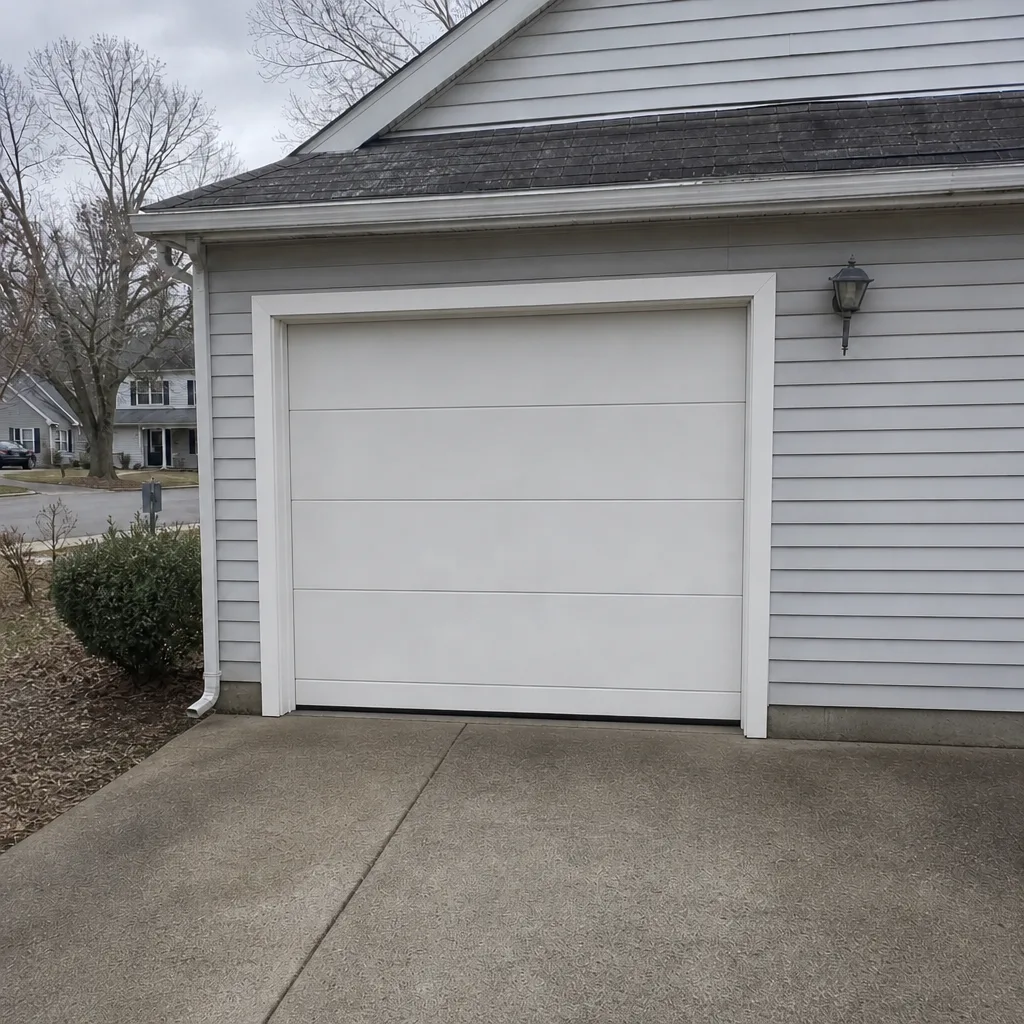
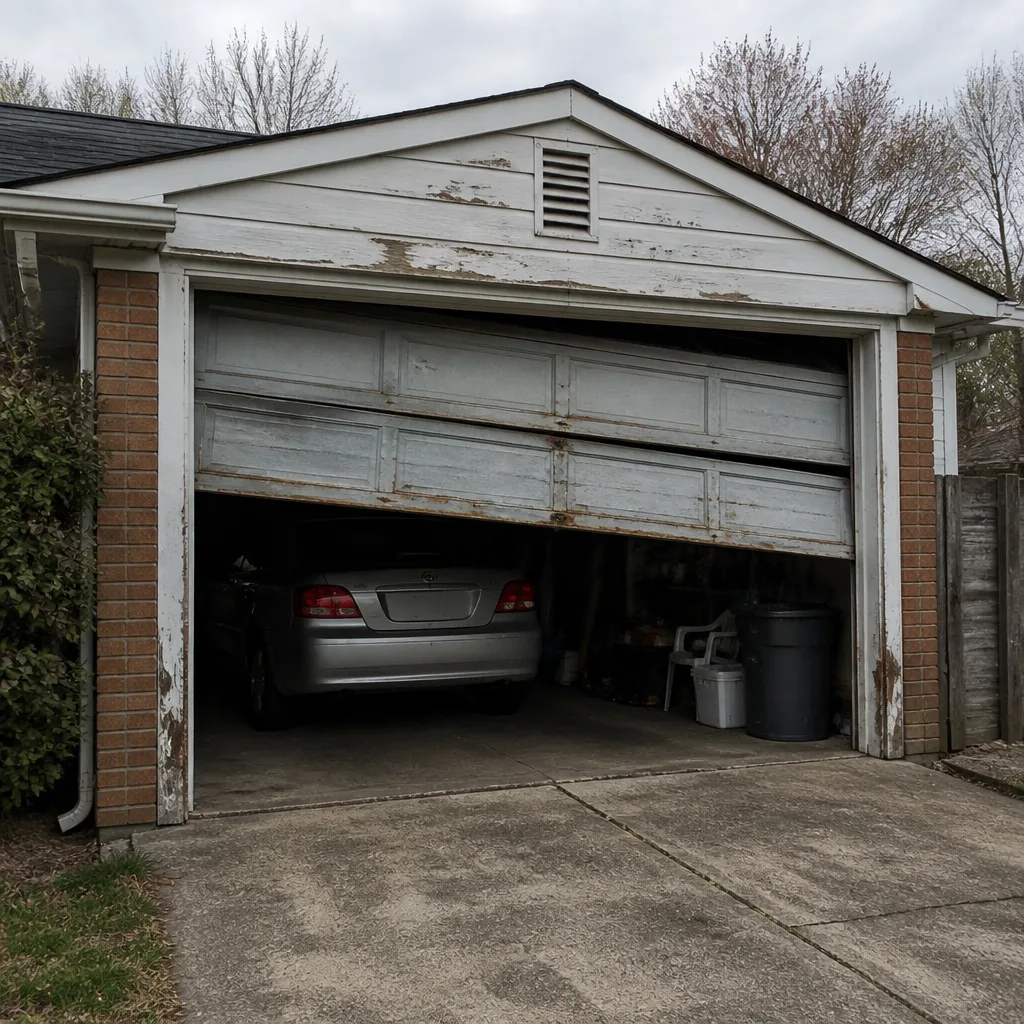
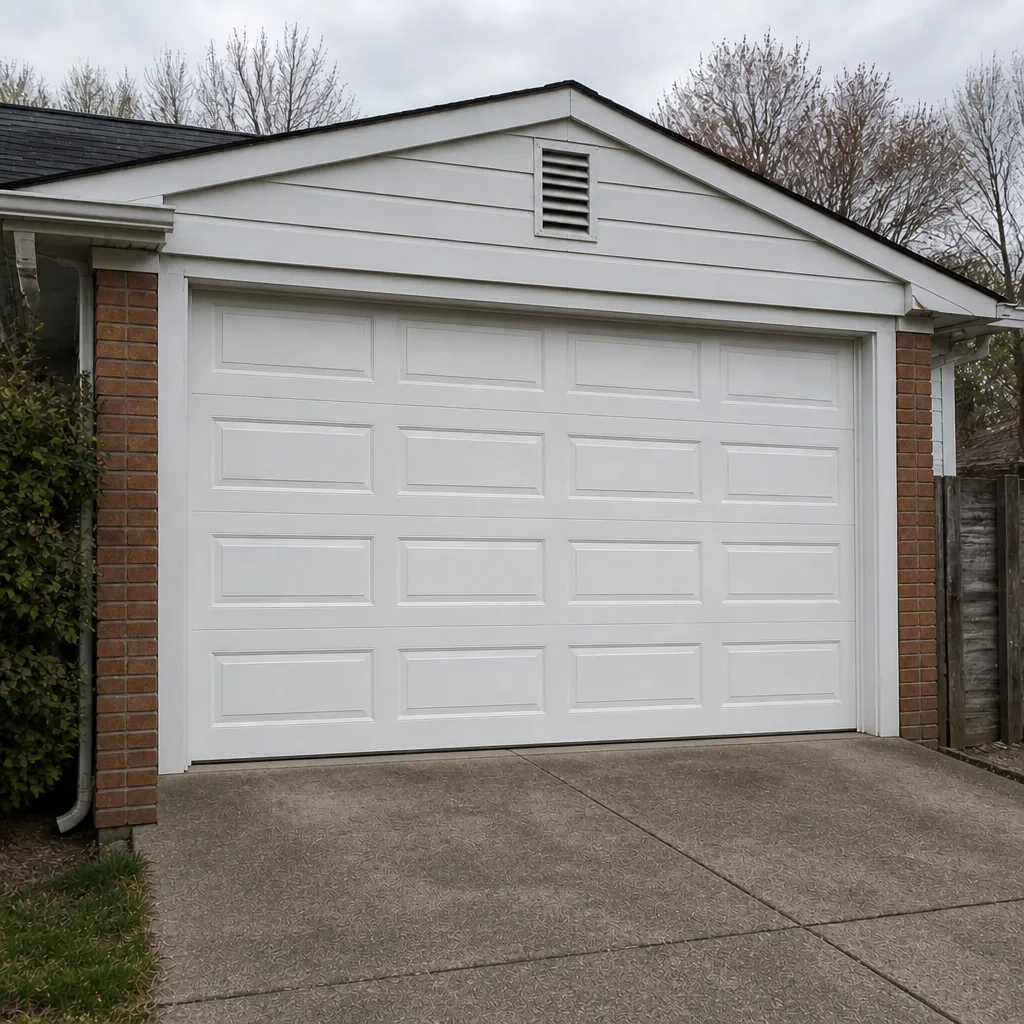
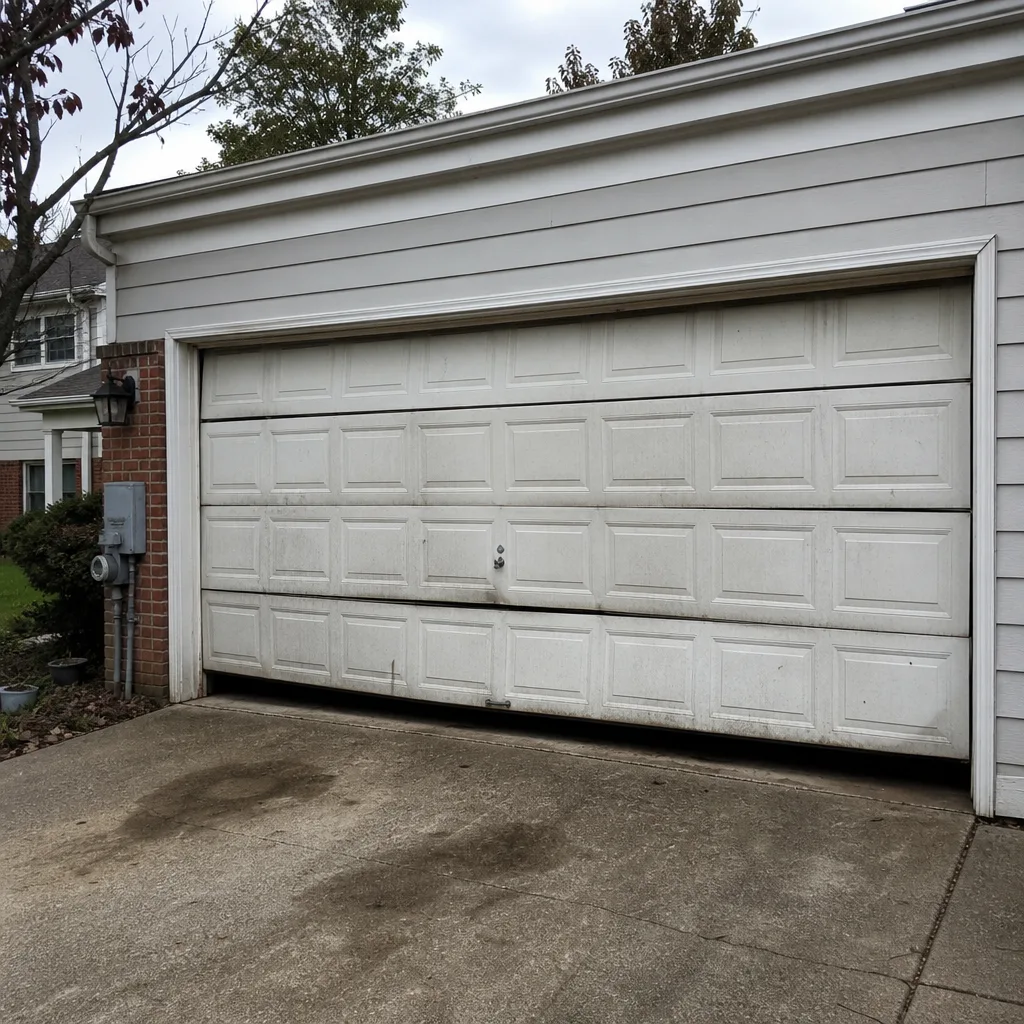
See the difference
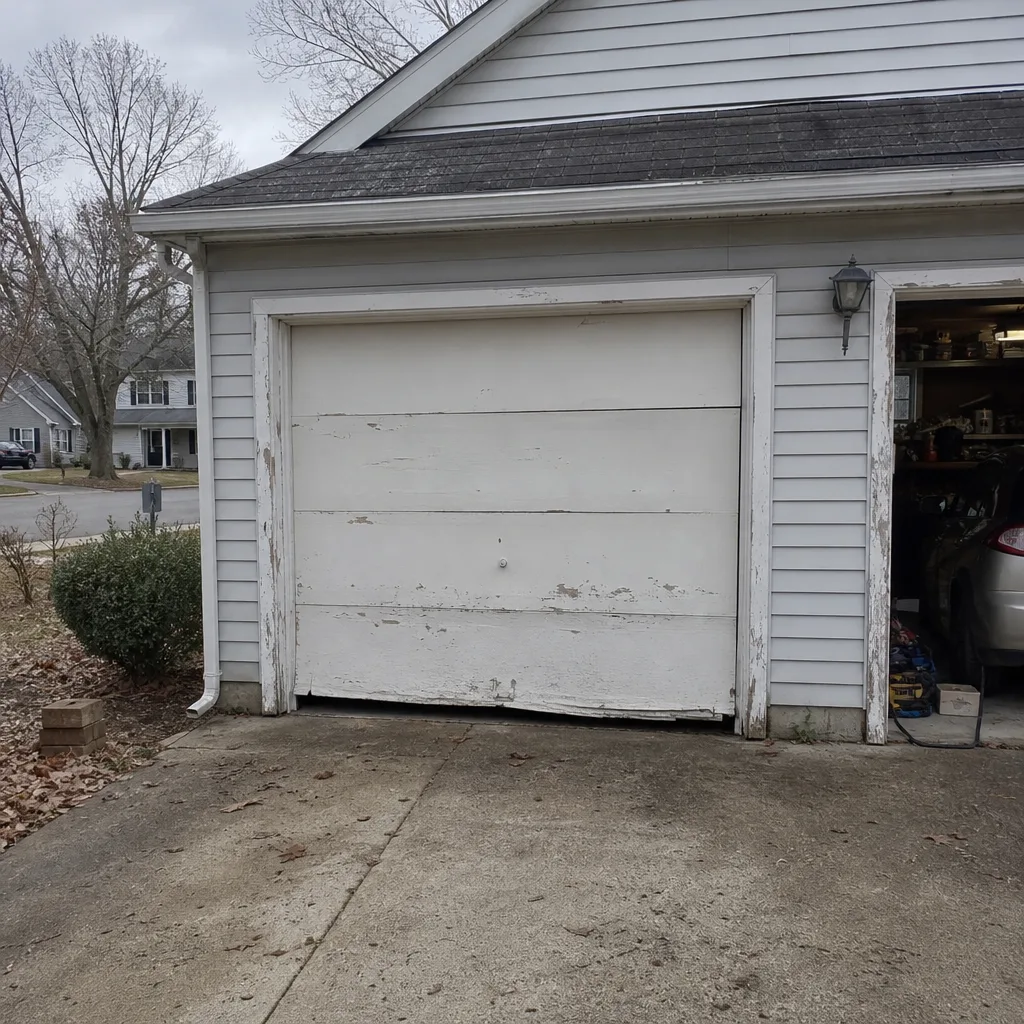 Before
 After
 Before
 After
 Before
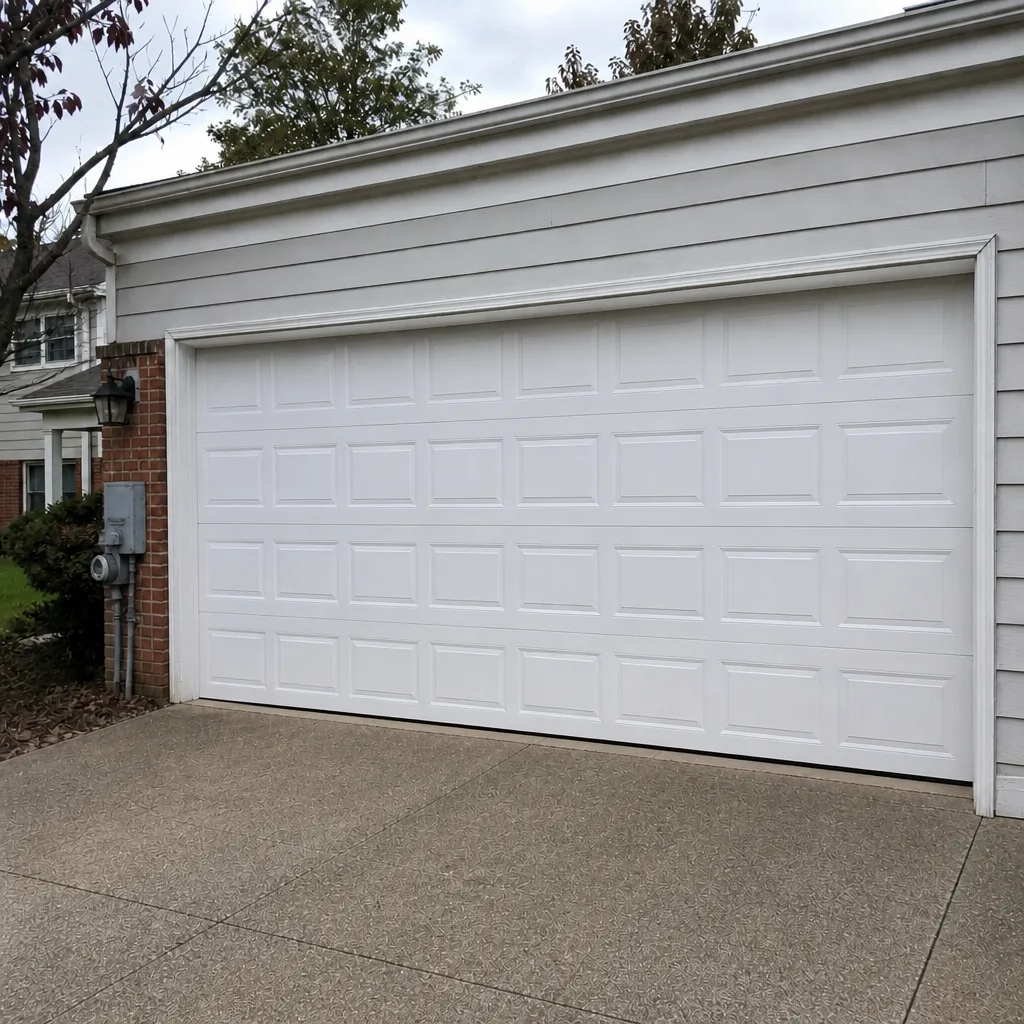 After
When to Call a Professional
Call a professional the moment the problem touches the springs, cables, or the door’s ability to hold its own weight. Those are the parts that decide whether your door stays up when it’s supposed to. A snap, a frayed cable, a visibly crooked door, or a door that won’t close is not a wait-and-see situation – stop using the door and get someone out. The same goes for a safety-reverse that fails the monthly test. For wear like grinding, a slow opener, or a torn seal, a scheduled visit is fine and less disruptive.
Columbia Garage Door Repair Pros offers free estimates in Columbia. Call (844) 913-3261 and describe what you’re seeing. We’re open Sunday through Friday, 7am to 7pm, and closed Saturday. The price is quoted and agreed before any work starts. If it’s a same-day repair, we’ll tell you what we can do; if it’s a scheduled fix, we’ll give you a written price up front.
Frequently Asked Questions
A hesitation before the door closes, or a door that reverses on its own with nothing in the way. That’s the opener’s logic board reacting to a force inconsistency, and it’s usually caused by a mechanical drag or a weakening spring. Call (844) 913-3261 for a free estimate if you see it.
Repair costs depend on the part. A roller or hinge replacement is at the low end, spring and cable work costs more, and opener repair sits in between. The written estimate sets the final price, and we quote before any work starts. Call (844) 913-3261 for an exact quote – estimates are free.
Yes. A door that won’t close is a same-day call. We’re open Sunday through Friday, 7am to 7pm, and closed Saturday, so call and we’ll book you in. Call (844) 913-3261.
Light surface rust on painted panels is normal in Columbia’s humidity. Rust on the springs or at the cable anchor points is not – that’s structural and deserves a professional look. Call (844) 913-3261 for a free estimate if you’re not sure which you have.
The local professional we connect you with is licensed and insured as their state requires. We’re a single-trade specialist, so garage doors are the only work we do. Call (844) 913-3261 to get started.
No. The written estimate sets the price, and it’s agreed before any work starts. If the fix requires a different part than expected, you’ll know before we begin. Call (844) 913-3261 for a free estimate.
The Bottom Line
The signs that matter most aren’t the dramatic ones. A half-second hesitation, a coil gap that widened, a slow opener – these are the early warnings that buy you time. A snap or a bang on reversal means the time is up. Watch your door run once a month, listen for what’s new, look at the spring and cables from the floor, and test the safety reverse. Sort what you find into same-day issues and scheduled ones, and don’t try to touch a spring or cable yourself. We’re a garage door specialist working in Columbia with up to 9 years of technician experience across the major brands. If a sign has you unsure which side of the line it’s on, call (844) 913-3261 for a free estimate. We’re open Sunday through Friday, 7am to 7pm, and closed Saturday. The written price is agreed before any work starts.
Written by the team at Columbia Garage Door Repair Pros.