Last updated November 21, 2026
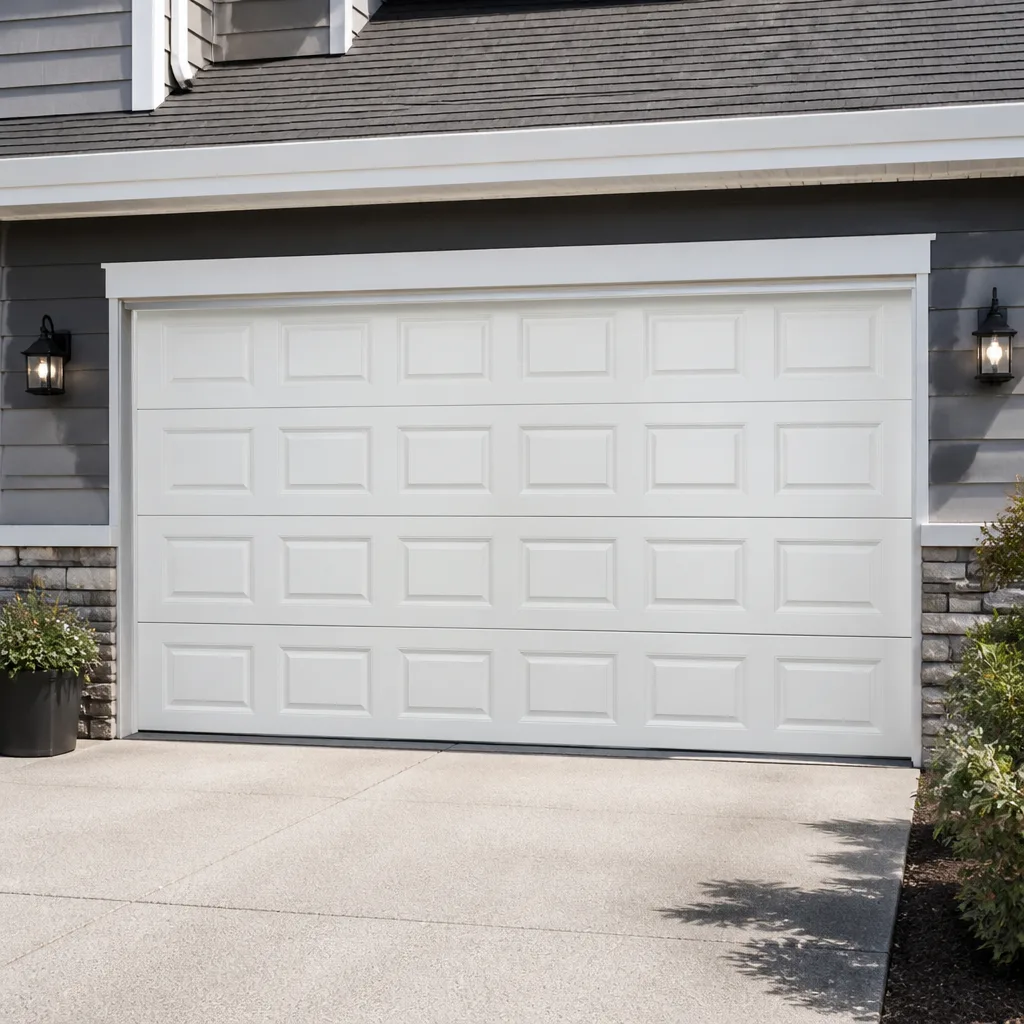 Raised-panel steel
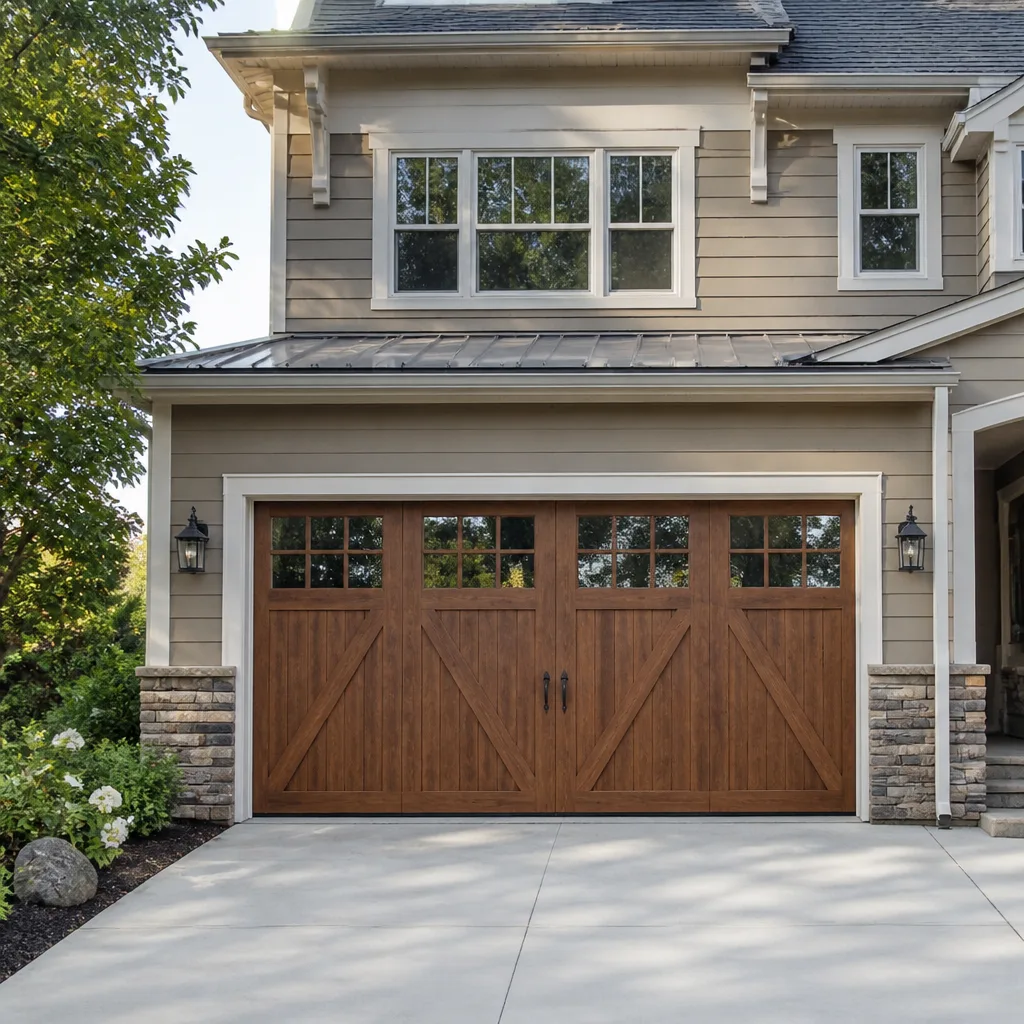 Carriage house
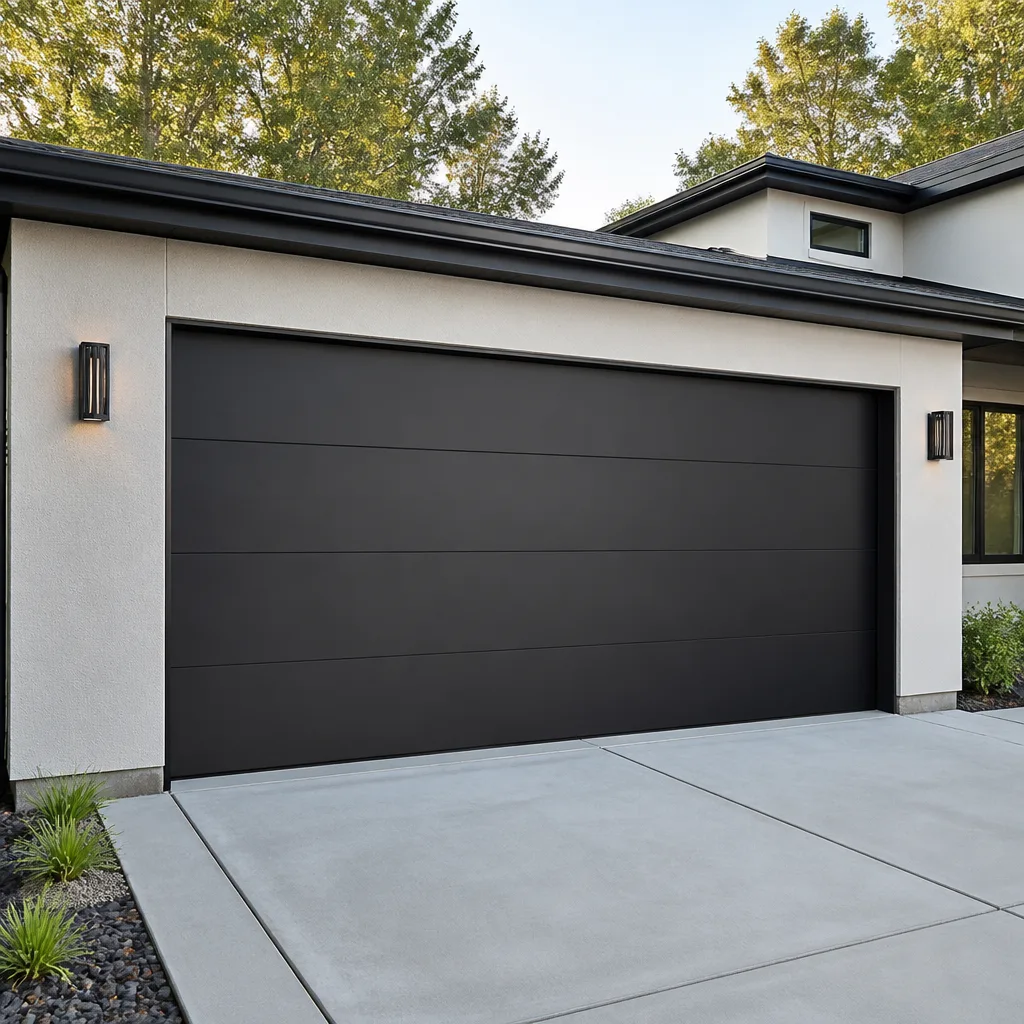 Modern flush
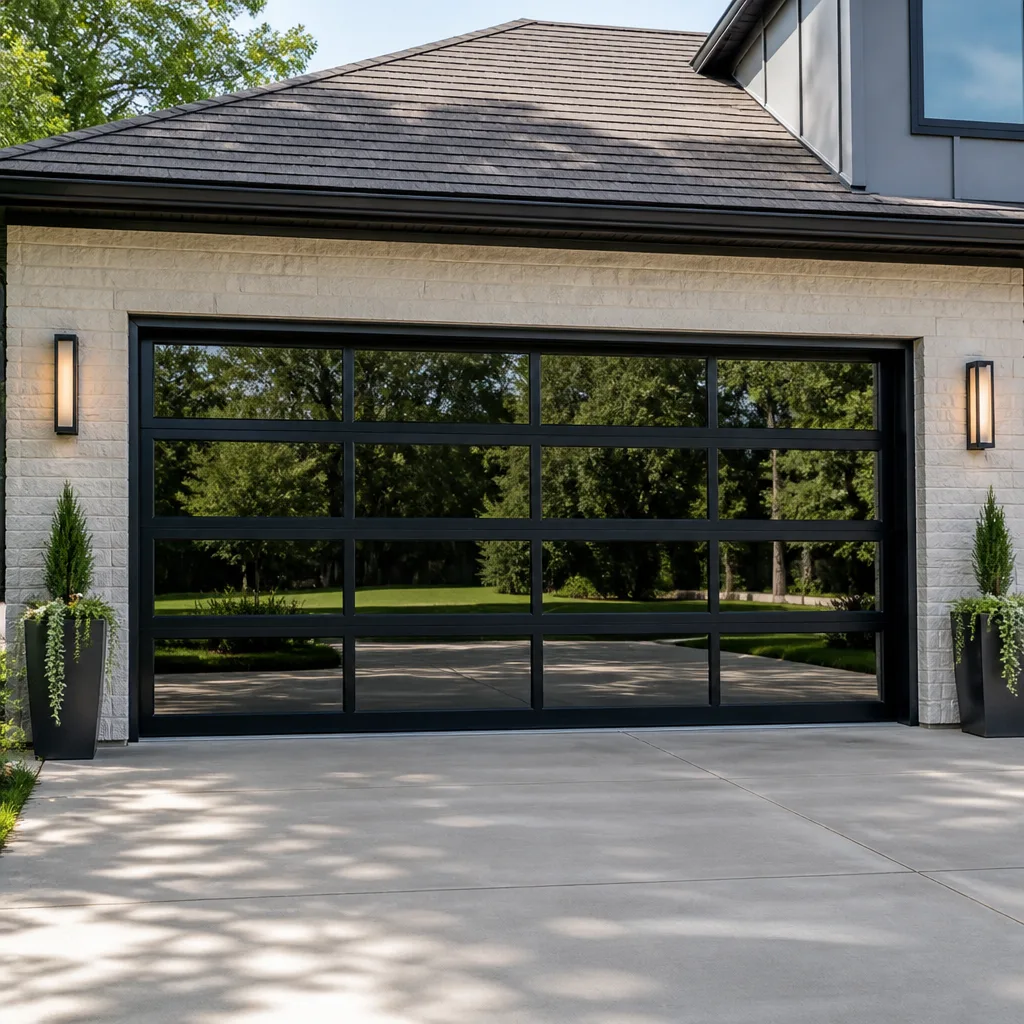 Full-view glass
 LiftMaster openers
 Chamberlain openers
Full 25-point door and opener safety check with every visit - springs, cables, rollers, tracks, and your LiftMaster or Chamberlain opener included
You get a price before we start. It does not change when the pro arrives.
Get your free estimateHow to Hire a Garage Door Contractor in Columbia: A Step-by-Step Guide
Most Columbia homeowners hire a garage door contractor the same way they hire a pizza place: whoever answers the phone first. That works fine for dinner. It works badly for the largest moving object in your house. Three questions almost nobody asks before booking are: Do you service this specific opener model or just replace it? Are you licensed in Maryland for this trade category? And who physically shows up at the door, your employee or a subcontractor? The answers separate the specialists from the aggregators fast. This guide walks you through every step of hiring a garage door contractor in Columbia, from verifying a license to reading an itemized quote.
Quick Answer
To hire a garage door contractor in Columbia, verify the company’s Maryland Home Improvement Commission license on the state’s public database, confirm liability and workers’ compensation coverage with a certificate, get an in-person measurement before accepting any quote, and insist on a written estimate that separates parts, labor, and disposal. A legitimate contractor will happily provide all four. One that pushes back on any of them is telling you something useful.
Styles & brands we work with
- Raised-panel steel
- Carriage house
- Modern flush
- Full-view glass
- LiftMaster openers
- Chamberlain openers
Table of Contents
- Step 1: Verify the Contractor’s Maryland License
- Step 2: Confirm Insurance Coverage in Writing
- Step 3: Test Their Brand Knowledge Before Booking
- Step 4: Read the Quote Structure, Not Just the Bottom Line
- Step 5: Ask the Right Questions About Parts and Warranty
- Red Flags Specific to Garage Door Companies
- What a Well-Run Installation Day Looks Like
- Common Mistakes to Avoid
Step 1: Verify the Contractor’s Maryland License
A Maryland Home Improvement Commission license is not a rubber stamp. It’s the legal mechanism that gives you recourse when a garage door job goes wrong. Any contractor performing home improvement work in Maryland, including garage door installation and repair, is generally required to hold one. The number itself is a lookup key: you can enter it on the state’s public license database and see whether it’s active, what trade categories it covers, and whether the contractor has any disciplinary history.
Why does this matter for warranty and dispute protection? Because the MHIC administers a guaranty fund that can reimburse homeowners who suffer a loss from a licensed contractor who fails to perform or does defective work. That protection does not extend to unlicensed operators. If a company can’t produce a license number, the fund is closed to you, and so is most meaningful legal leverage.
How to check a license in three minutes:
- Ask the contractor for their MHIC license number in writing before any appointment is booked.
- Search that number on the MHIC public database and confirm the status shows active.
- Check that the license name matches the company name on the quote you’re given.
- Look at the trade categories listed and confirm garage door work is within scope.
Here’s the part Columbia homeowners miss: the license name and the company name on your quote need to match. A subcontractor’s license number attached to another company’s proposal creates ambiguity about who is actually responsible. When you call the team at Columbia Garage Door Repair Pros, the vetted local professional is licensed and insured as their state requires, and we’re happy to point you to the MHIC lookup so you can confirm it yourself. That’s how it should work with any contractor in Columbia you’re considering.
Step 2: Confirm Insurance Coverage in Writing
There are two separate insurance questions, and most homeowners only ask one. General liability covers damage to your property (a dented panel, a cracked window, a garage floor). Workers’ compensation covers the technician if they’re injured on your property. You want both confirmed, and you want the confirmation to come from the insurer, not the contractor’s memory.
A legitimate certificate of liability insurance should state the insured company’s legal name, the policy’s effective dates, the coverage type, and the coverage limits. It should be issued by the insurance carrier, not typed up by the contractor. Ask for a certificate to be sent directly to you (or emailed to you) before the appointment. A company that can produce one quickly is doing that regularly.
What coverage thresholds should you look for? Maryland requires home improvement contractors to carry a minimum amount of general liability coverage to hold an MHIC license, and that minimum is set by the state rather than by the contractors themselves. Because thresholds change, ask the contractor to confirm the current requirement with the MHIC and to show you a certificate that meets or exceeds it. Don’t accept “we’re fully insured” as an answer; ask for the document. For a job as heavy and as mechanically hazardous as work on a door system, the coverage isn’t a technicality. It’s the reason you can let someone work in your garage at all.
Step 3: Test Their Brand Knowledge Before Booking
Any company will say it services “all brands.” That’s a marketing sentence, not a diagnostic one. The useful question is whether the technician knows the specific opener and door on your house: whether they’ve worked on your model’s control board, whether they know which spring setup your door uses, whether they understand the difference between a belt drive and a chain drive before they arrive.
Openers are where the gap shows fastest. A LiftMaster wall-mounted unit, a Genie screw drive, and a Chamberlain chain-drive system fail in different ways and are repaired with different parts. A generalist hears “the door won’t open” and figures out which driver to call. A specialist hears “the door won’t open” and asks what brand, what model, and whether the wall button does anything when the remote doesn’t. That one triage question alone tells you a lot about who you’re talking to.
Good questions to ask before booking:
- Do you repair this opener model, or do you replace it?
- Is the work done by your own technicians or subcontracted?
- What brands do you work on most often, and what do you actually stock?
- If you diagnose the door and the fix needs a part you don’t have, what happens next?
In our experience, a specialist answers these in the first two minutes of the call. A company that has to check will usually be checking on something they don’t handle often. For a garage door in Columbia that’s already out of service, that wasted call is a day without your car. When you’re ready for a company that arrives already knowing the system, garage door opener repair is one of the things we handle every day, across the brands installed throughout Howard County.
Step 4: Read the Quote Structure, Not Just the Bottom Line
A low number is not a quote. A quote is a document that tells you what the number buys. The difference matters most on the day the truck rolls up and the technician finds something the phone conversation didn’t reveal. A well-structured estimate absorbs that conversation in advance. A phone number with no detail turns into a new number on installation day.
What a legitimate itemized garage door estimate typically includes:
- Parts listed separately, with brand and model noted where applicable (a specific spring, a specific opener, a specific panel set)
- Labor broken out from materials
- Old door or old spring disposal, if applicable, listed as its own line
- Any hardware replacement or reinforcement called out individually
- Taxes clearly shown
- The written total, and a statement that this total is the agreed price before work begins
Red flags in quote structure tend to look the same: a single round number with no breakdown, a quote given without anyone measuring the door, and a written proposal that lists the door brand but not the spring or opener model. If you’re comparing three estimates and one is dramatically lower, ask what’s missing. Sometimes the difference is an aftermarket spring with a shorter duty cycle. Sometimes it’s a labor warranty that doesn’t exist. Sometimes it’s a subcontractor working for less. None of those are automatically wrong. All of them should be named in the quote.
One thing worth stating plainly: the price is quoted and agreed before any work starts. Any contractor who won’t commit to that in writing is not giving you a quote. They’re giving you an estimate that will move.
If your existing door is failing rather than aging out, the structure is a little different because garage door repair estimates usually start with a diagnostic visit and grow from the finding. That’s normal. What shouldn’t change is the rule that you agree to a written number before the technician opens a toolbox.
Step 5: Ask the Right Questions About Parts and Warranty
Parts and warranty are where garage door quotes quietly diverge from each other. Two contractors can quote the same job at the same price and deliver very different equipment. The questions take about two minutes and they’re worth asking on every estimate.
OEM vs. aftermarket springs
Original equipment manufacturer springs come from the door manufacturer or a supplier that meets their spec. Aftermarket springs are made to fit but not necessarily to the same spec. Both can work. They do not usually last the same number of cycles, and the price difference reflects that. Ask which one is in the quote.
Labor warranty vs. parts warranty
These are two separate clocks. A parts warranty might cover a spring for a year or more, but if the labor to replace that spring under warranty is charged back to you, the parts warranty is worth less than it appears. Ask specifically: if this part fails within the warranty period, is the replacement labor covered too? The answer should be in the written estimate.
Wrong-part policy
If the technician orders the wrong spring or opener, who pays for the return? A shop with a clear policy will tell you. A shop that dodges the question will usually make you live with the delay.
Parts questions to ask every contractor:
- Is the spring OEM or aftermarket, and what duty cycle is it rated for?
- Is the labor warranty separate from the parts warranty, and what does each cover?
- What’s your policy if the wrong part is ordered?
- Is the spring being replaced as a pair? (It usually should be; a pair typically costs roughly twice a single spring.)
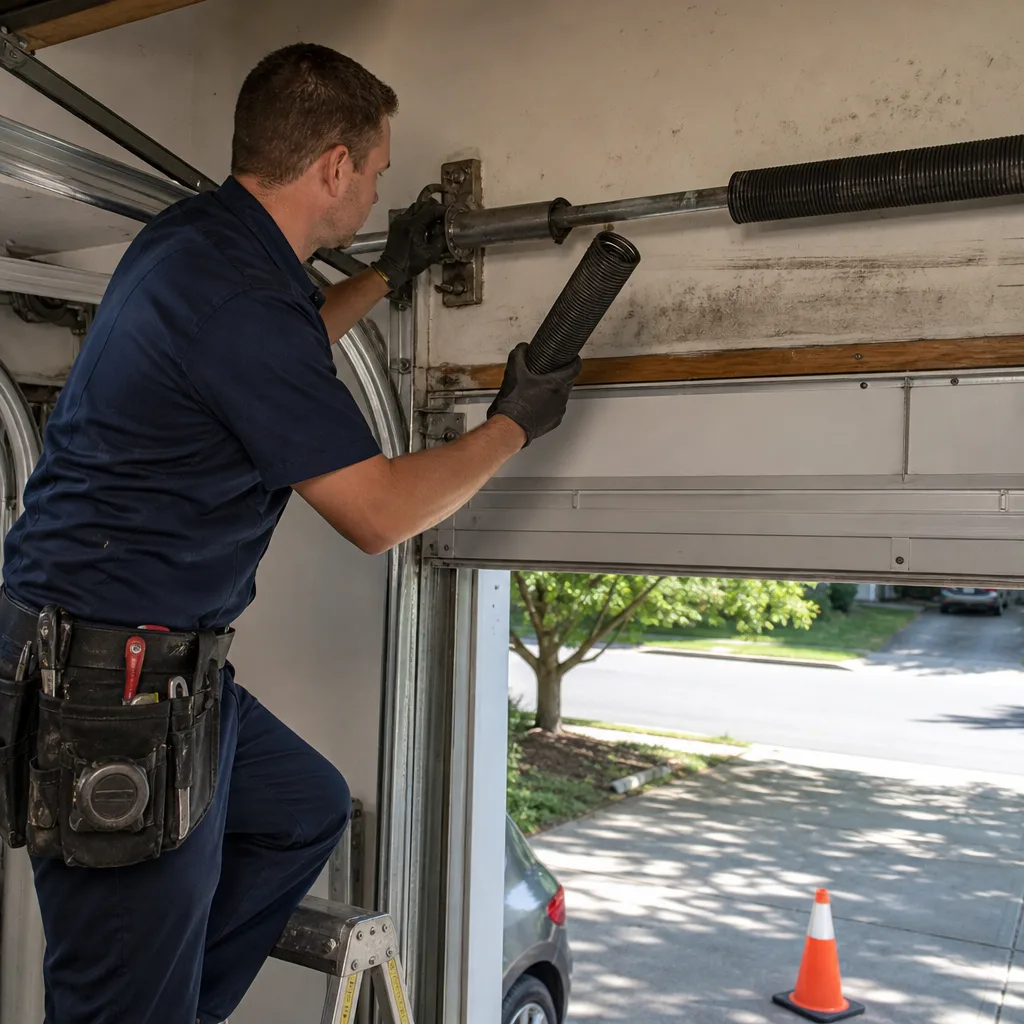
Spring work is the highest-risk repair on any garage door in Columbia. Torsion springs store enough energy to injure someone badly if they let go while being handled. That’s why we call out garage door spring repair as a job that gets done by trained technicians, not by the homeowner with a winding bar from the hardware store. If a quote is unusually cheap on a spring replacement, ask what duty rating and warranty it includes. That’s where the money went.
Red Flags Specific to Garage Door Companies
The garage door trade attracts its share of operators who work out of a personal truck with no business behind them. That’s not automatically a problem for every job, but for the repairs that involve industrial springs, electric openers, and door weights that can crush, you want a company that can be held accountable. These red flags sort it out quickly.
- No physical address in Howard County or the surrounding area. A legitimate local company can tell you where their business is registered. A mailbox service or a rented mailbox number is not the same thing. Ask for the registered business address and cross-check it.
- “Any brand, same day” without asking your model. If they promise to fix anything today without knowing what’s on your door, they’re either going to subcontract the job or they’re going to show up guessing. A specialist asks what brand and model before quoting.
- A quote given without an in-person measurement. Garage doors are measured precisely, in height, width, and headroom. If nobody’s actually measured the opening, the quote is a guess. On installation day, guesses become change orders.
- Pressure to sign on the first phone call. Any company that tries to lock you in before you’ve seen a written itemized estimate is telling you what kind of paperwork you’ll be dealing with later.
- No license number offered when you ask. This is the easiest one to check and the most common thing homeowners forget to ask. Ask, then check it. If it’s not active, walk away.
- Warranty language that only covers parts. The labor clock matters and you should be able to read it in the estimate.
- Refusal to put the price in writing. “We’ll figure it out on the day” is not a pricing policy, it’s a pricing risk. You should be signing a written number before work begins.
None of these are unique to Columbia. But a homeowner in Howard County who’s talking to a company that passes all seven is in a much better position than one who hasn’t asked. The good news is the check takes about fifteen minutes total.
What a Well-Run Installation Day Looks Like
Once you’ve verified the license, the insurance, and the quote, the remaining question is what actually happens on the day. A garage door replacement in Columbia is usually a half-day to full-day job depending on the door, the opener, and whether the old door is being hauled away. Here’s what a well-managed install usually looks like.
- Pre-job confirmation. The contractor confirms the appointment, the door and opener models on order, and the crew that will arrive. You should know who is coming.
- Site protection. Floor covering goes down before anything is unloaded. The old door comes off in one piece where possible so nothing gets dropped on your driveway.
- Track and hardware install. New tracks are set to the measured opening and checked for plumb. The spring assembly goes up and is set at the rated tension, not by feel.
- Panel install and balance check. Panels go on, rollers are set, and the door is balanced by hand before the opener is connected.
- Opener mount and safety check. The opener is mounted and connected, and the safety reverse is tested. That test is non-negotiable, and it’s the one thing you should watch the technician do.
- Walkthrough and disposal. The old door and packaging leave with the truck, and the technician walks you through the operating instructions and the warranty paperwork.
If your job is a repair rather than a replacement, the shape of the day changes but the discipline is the same: diagnosis, agreed price, work, safety check, walkthrough. The order doesn’t skip steps because the job is “small.”
Common Mistakes to Avoid
- Hiring on price alone. The lowest quote is often the least complete one. If the estimate is dramatically lower than the others, ask what isn’t included before deciding it’s a bargain.
- Not verifying the MHIC license before booking. It takes three minutes and it’s the main lever you have if the job goes wrong. Skipping it removes your clearest avenue for recourse.
- Accepting an estimate over the phone with no measurement. Garage doors are installed to the inch. A phone quote on a door you haven’t had measured is not a real estimate, and the change order on install day comes as a surprise.
- Forgetting to ask about the labor warranty. Homeowners focus on the parts warranty and miss the labor clock. Ask what happens if the same part fails inside the warranty period and whether the return visit is free.
- Assuming “any brand” means they know yours. Any brand is a marketing phrase. Ask specifically about the brand and model on your door. A LiftMaster or Genie specialist will answer immediately; a generalist will ask what kind of opener it is.
- Letting a spring repair wait. A single broken spring is a warning. Running the opener with a snapped spring puts stress on the other spring, the cables, and the opener itself, and the eventual repair gets bigger. If a spring is broken, book the repair.
- Skipping the safety reverse test after any service. A properly adjusted door reverses when it meets an obstruction. If it doesn’t, the door should not be operated until it’s adjusted, especially with kids or pets around.
See the difference
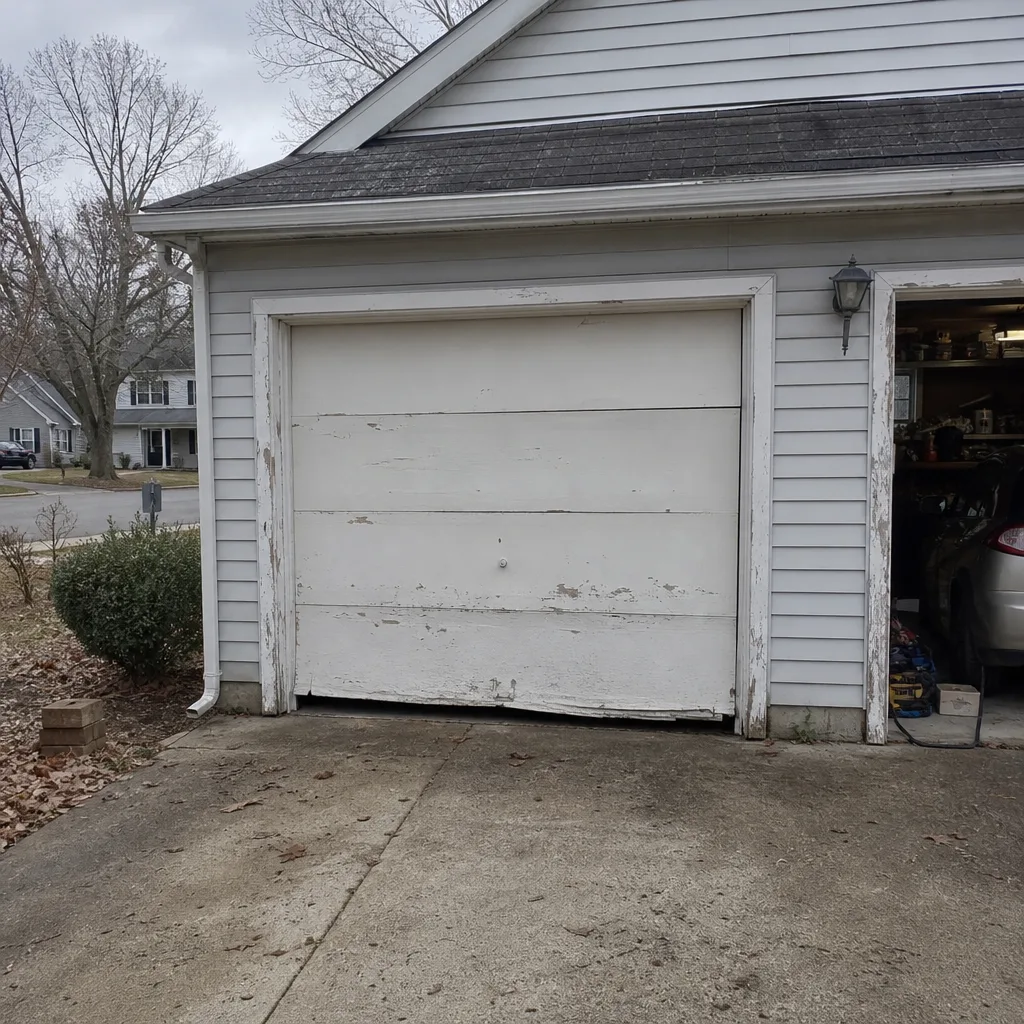 Before
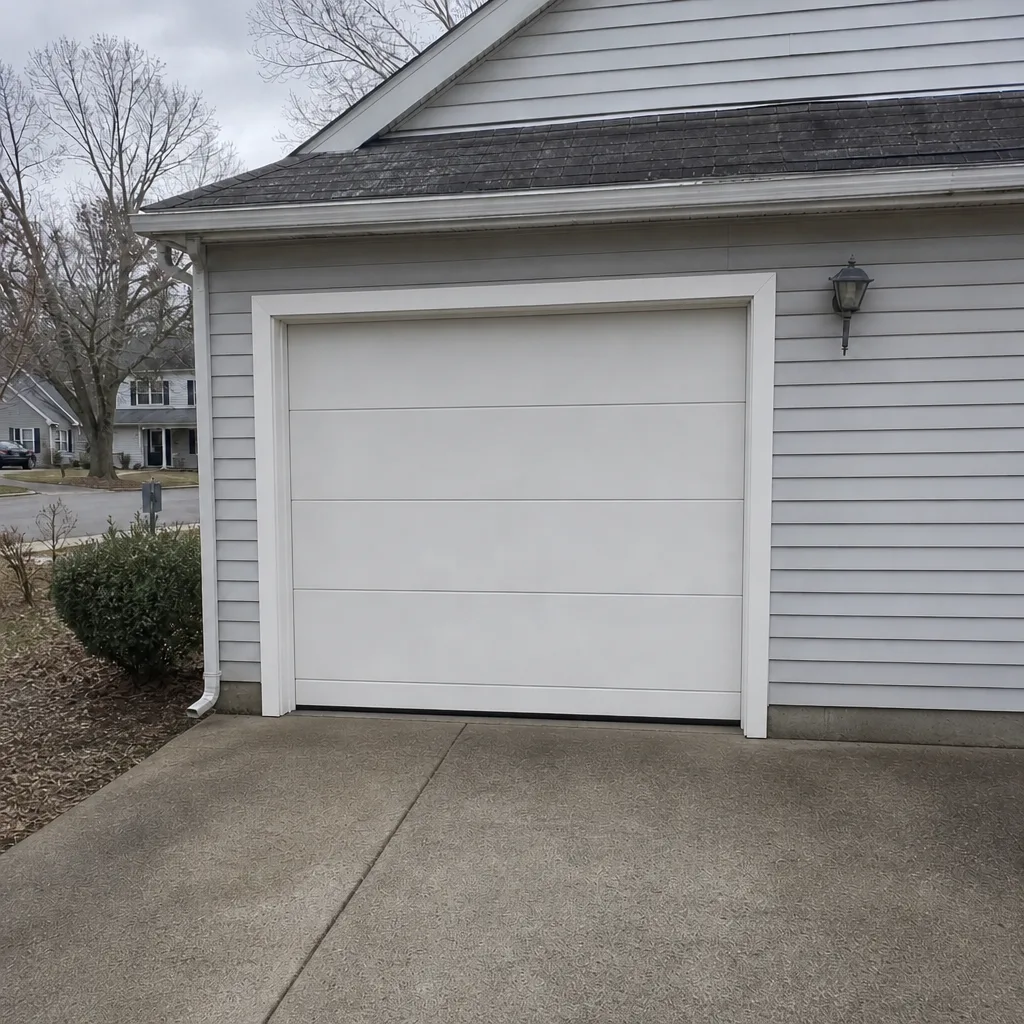 After
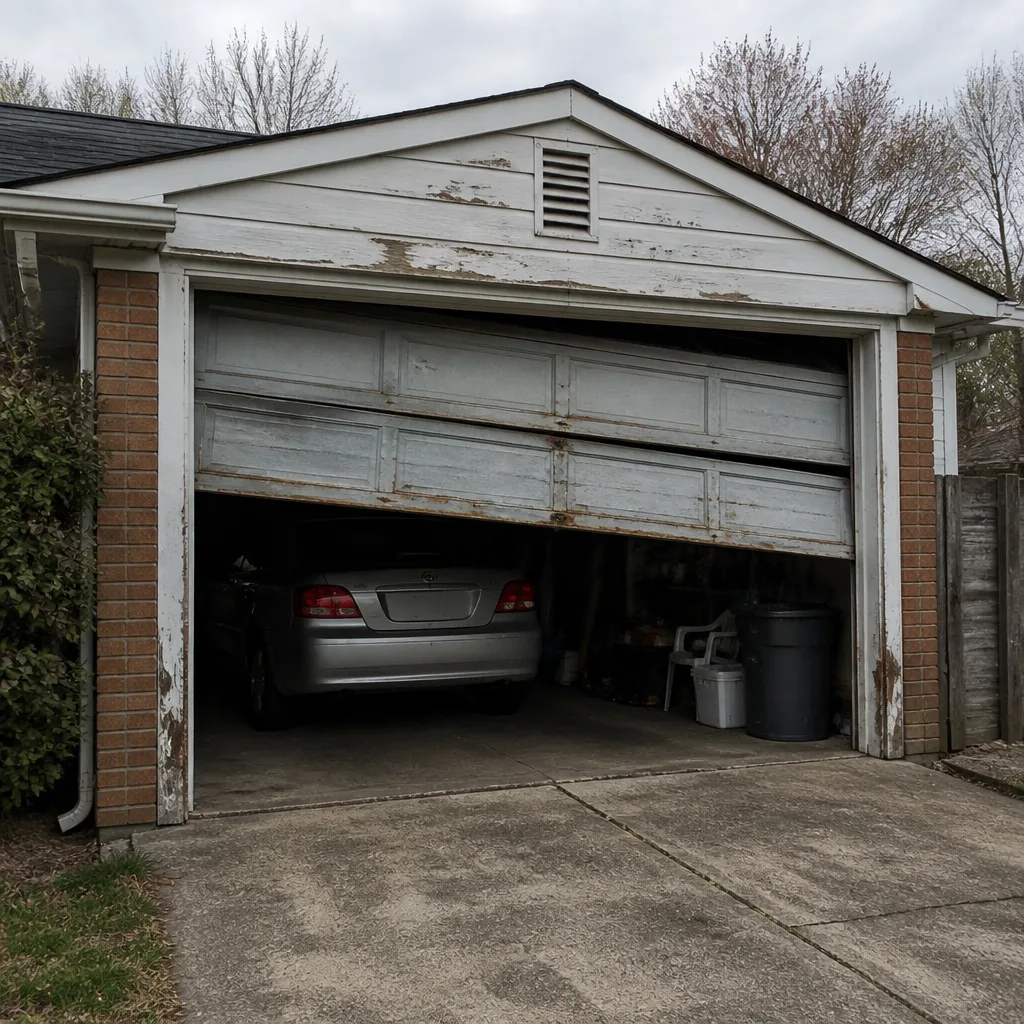 Before
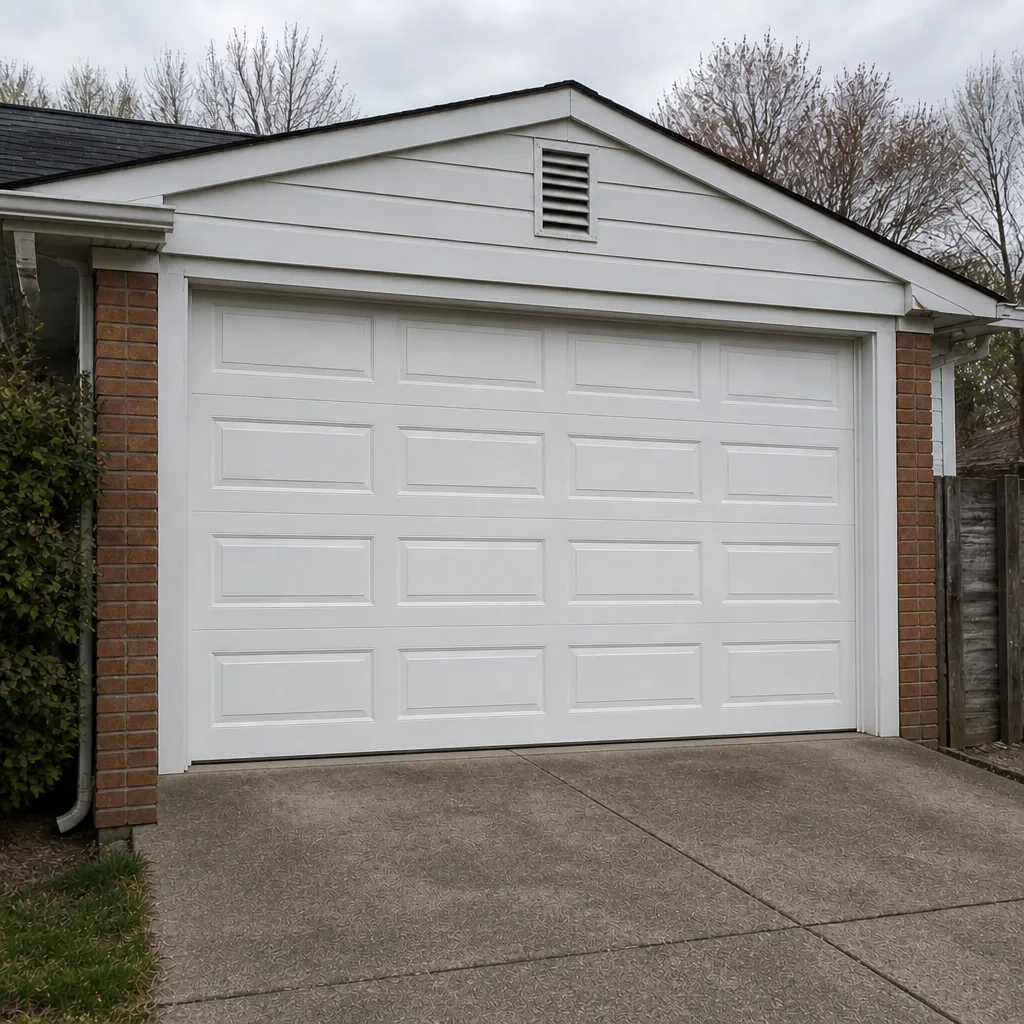 After
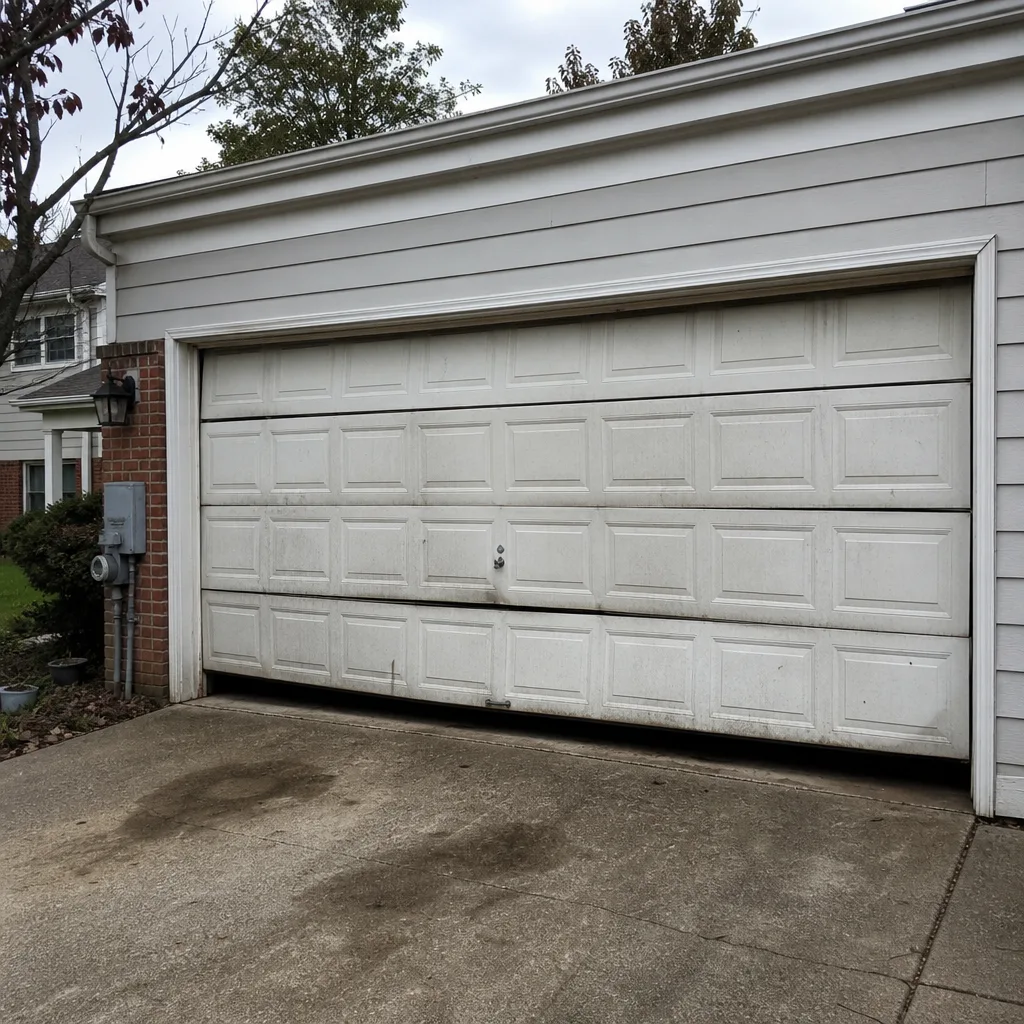 Before
 After
When to Call a Professional
Some garage door issues can wait for a scheduled appointment. Others need a trained technician on the phone today. Call a professional for any of these: a snapped spring or a door that’s hanging crooked on its tracks; an opener that runs but doesn’t lift the door, or runs with a burnt smell from the motor housing; a door that comes down and reverses before closing; cables that look loose or tangled; or a door that’s physically stuck open and won’t close. Any of those is a repair, not a project, and it should be handled by someone who works on garage doors every day. On the installation side, call a professional when the door is rusted through or sagging between panels, when the opener is more than a decade old and the door has been getting heavier, or when you’re planning a new door and want a measured quote before you buy anything.
Columbia Garage Door Repair Pros offers free estimates in Columbia. Call (844) 913-3261. The price is quoted and agreed before any work starts, and our technicians have up to 9 years of experience on the trade. If you’ve got a stuck door in the middle of a Columbia afternoon, that’s the call.
Frequently Asked Questions
There isn’t a single number, because the job depends on the door, the opener, and the repair. A repair diagnostic visit is usually the smallest line on the estimate; a spring replacement, opener replacement, or full door installation each lands in its own range depending on parts and access. What you should insist on is a written itemized estimate with parts and labor separated and disposal listed. That’s the number that holds. Call (844) 913-3261 for a free estimate; the written quote is the agreed price before work starts.
Ask for the Maryland Home Improvement Commission license number and look it up on the state’s public database. Confirm the license status is active, that the trade categories cover garage door work, and that the licensed name matches the company on your quote. If the number doesn’t come back active, don’t book the job. We’re happy to walk you through the lookup when you call.
For a repair, yes, generally: access to the garage, the opener, and the wall button is easier to coordinate with you there, and you want to see the safety reverse test at the end. For a full installation, some homeowners are present for the walkthrough only, but it’s simplest to plan on being available at the start to confirm the work order and at the end to review the install. Ask the contractor what they need from you when you book.
It depends on the failure. A dead wall button, a remote that won’t pair, a stripped gear, or a failed logic board can usually be repaired. A motor that’s overheating, a unit that’s repeatedly failing with different symptoms, or an opener that’s well past its service life is usually better replaced. A technician should diagnose before recommending replacement. We handle opener repair on LiftMaster, Chamberlain, Genie, and other widely installed brands, and we’ll tell you plainly which side of the line your opener is on.
OEM springs are made to the original door manufacturer’s specification, while aftermarket springs are made to fit but may not meet the same duty-cycle spec. Both can work; they don’t typically last the same number of cycles, and the price difference reflects that. Ask which one is in your quote, and ask what warranty comes with it. If a spring quote is unusually low, this is often where the difference hides.
First, check the obvious: the safety sensors at the bottom of the tracks should be aligned and clean, and nothing should be in the beam path. If the sensors are clear and the door still reverses, or if the door is stuck in the open position and will not come down, don’t keep operating the opener. Call for service. A door that won’t close is a security and weather problem, and it’s one of the situations where urgent service makes a real difference. Call (844) 913-3261 and we’ll get a technician out.
The Bottom Line
Hiring a garage door contractor in Columbia comes down to four things: a verified Maryland Home Improvement Commission license, documented insurance, a quote that was actually measured on site, and a written itemized estimate you agree to before any work starts. Everything else, from brand familiarity to warranty structure, is sorted out by the same handful of questions. Ask them, check them, and get the price in writing. A company that can handle all of that is a company worth letting near the heaviest moving part of your house. If the door needs a spring, a repair, or a full replacement, call (844) 913-3261 for a free estimate.
Written by the team at Columbia Garage Door Repair Pros.